As we age, many seniors naturally become more mindful about supporting their health through everyday food choices. The rise in oxidative stress and inflammation over time can make us seek gentle, natural ways to nourish our bodies. Fortunately, something as simple as adding a handful of nutrient-dense seeds to meals could offer meaningful antioxidant and fiber support—backed by growing research.
But which seeds stand out most, and how can you easily include them without overhauling your diet? Keep reading to discover the top six, along with practical tips and a surprising bonus at the end.
Why Seeds Are Gaining Attention for Senior Health
Seeds are tiny nutritional powerhouses. They deliver concentrated amounts of healthy fats, fiber, minerals, and plant compounds that studies link to antioxidant activity and reduced inflammation.
Population studies and lab research suggest that regular intake of certain seeds may support cellular health, heart function, and digestion—areas especially important as we get older.
The best part? They’re affordable, versatile, and require no special preparation beyond a quick sprinkle or soak.
But that’s not all…
Meet the 6 Seeds Worth Adding to Your Daily Routine
Here’s a closer look at six seeds that research frequently highlights for their beneficial compounds.
1. Flaxseeds
Flaxseeds are one of the richest plant sources of lignans—polyphenols with strong antioxidant properties. Studies, including large population reviews, have observed associations between higher lignan intake and markers of better hormonal balance and lower inflammation.
Tip: Always grind flaxseeds fresh for better nutrient absorption.
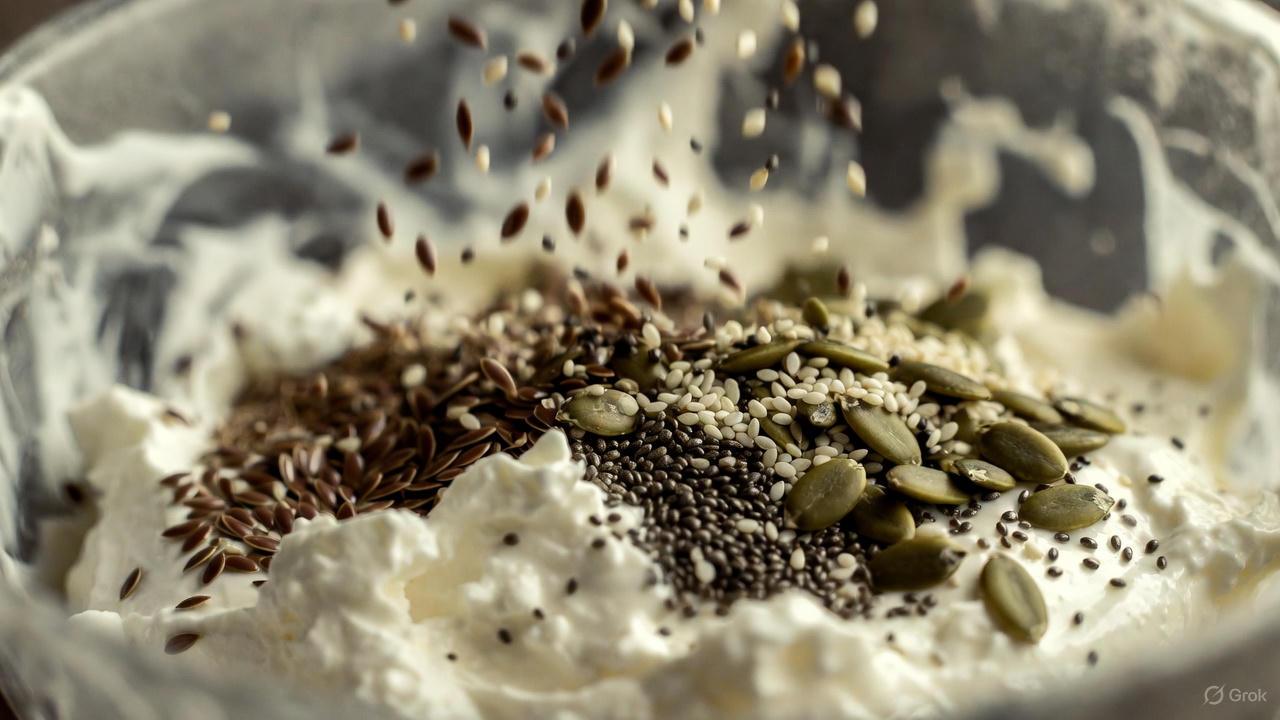
2. Chia Seeds
Loaded with omega-3 fatty acids (in plant form), fiber, and antioxidants, chia seeds form a gel when soaked—perfect for easy digestion. Research points to their potential to help calm inflammation and support gut regularity.
Fun idea: Mix with yogurt or oatmeal overnight for a simple pudding.
3. Pumpkin Seeds
Also called pepitas, these green gems provide zinc, magnesium, and vitamin E. Observational studies link higher intake to immune support and prostate health benefits in men.
Quick snack: Lightly roast with a pinch of sea salt.
4. Sesame Seeds
Sesame seeds contain sesamin and sesamolin—unique compounds studied for antioxidant and liver-supportive effects in animal and early human trials. They also add calcium and healthy fats.
Delicious use: Sprinkle toasted seeds over salads or stir-fries.
5. Sunflower Seeds
A standout source of vitamin E, a fat-soluble antioxidant that helps protect cells from oxidative damage. Research consistently shows vitamin E’s role in skin health and immune function.
Portable option: Keep a small bag for trail mix.
6. Hemp Seeds
Hemp hearts offer a perfect 3:1 ratio of omega-6 to omega-3 fats, plus complete protein. Emerging studies suggest this balance may support reduced inflammation markers.
Mild nutty flavor: Excellent on smoothies or avocado toast.
Nutrient Comparison at a Glance
| Seed | Key Compounds | Notable Nutrients | Easy Daily Use Idea |
|---|---|---|---|
| Flaxseeds | Lignans, ALA omega-3 | Fiber, magnesium | Ground into smoothies |
| Chia Seeds | ALA omega-3, mucilage fiber | Calcium, phosphorus | Overnight chia pudding |
| Pumpkin Seeds | Zinc, antioxidants | Magnesium, iron | Roasted as snack |
| Sesame Seeds | Sesamin, sesamolin | Calcium, copper | Sprinkled on Asian-inspired dishes |
| Sunflower Seeds | Vitamin E | Selenium, folate | Added to trail mix |
| Hemp Seeds | Balanced omegas, gamma-linolenic acid | Complete protein | Topped on oatmeal or salads |
Variety is key—rotating several types ensures a broader range of benefits.
Real-Life Ways Seniors Are Enjoying These Seeds
Many older adults report feeling more energized and satisfied after making seeds a daily habit.
Take Margaret, 71, who started adding ground flax and chia to her morning yogurt. She noticed better regularity and enjoyed the subtle nutty taste.
Or John, 68, who keeps roasted pumpkin and sunflower seeds handy for afternoon snacks. He says the crunch helps curb sweeter cravings.
Simple changes, noticeable differences.

How to Safely Add Seeds to Your Routine
Ready to start? Follow these practical steps:
- Begin with 1–2 tablespoons total per day to allow your digestive system to adjust.
- Drink extra water—seeds absorb liquid and extra hydration supports fiber benefits.
- Choose ground flax or soaked chia for easier nutrient release.
- Opt for unsalted, raw, or lightly roasted varieties to avoid excess sodium.
- Store in a cool, dark place or refrigerator to preserve healthy fats.
If you take blood-thinning medications or have seed allergies, check with your doctor first.
Bonus Tip: Don’t Forget Berry Seeds
Here’s the surprising twist promised earlier—tiny seeds in berries (strawberries, raspberries, blackberries) also deliver ellagic acid and other antioxidants. Research suggests synergy when combined with the six seeds above.
Try blending a handful of mixed berries into a smoothie along with chia or flax for an extra antioxidant boost.
Final Thoughts
Incorporating these six seeds—flax, chia, pumpkin, sesame, sunflower, and hemp—into your daily meals is an easy, evidence-informed way to increase antioxidant and nutrient intake. While no single food is a magic solution, research continues to highlight the supportive role of seed-rich diets in overall wellness.
Start small, experiment with flavors, and listen to your body. You might be pleasantly surprised by how such tiny additions make a meaningful difference.
Frequently Asked Questions
Can seniors eat seeds every day?
Yes, in moderate amounts (1–2 tablespoons total daily). They provide valuable nutrients, but variety and proper preparation matter most.
Which seed is best for beginners?
Chia seeds are often easiest—they’re mild, blend seamlessly into foods, and don’t require grinding.
Do I need to buy organic seeds?
Organic can reduce pesticide exposure, but conventionally grown seeds still offer significant nutritional benefits. Choose what fits your budget.
Disclaimer: This article is for informational purposes only and is not medical advice. No food can prevent, treat, or cure any disease. Always consult your healthcare provider before making dietary changes, especially if you have health conditions or take medications.