
As we age past 70, many people notice it becomes harder to stand up from a chair without using their hands or to carry groceries without feeling fatigued. These small changes can feel frustrating because they affect everyday independence and confidence. Simple activities that once felt effortless may start requiring more effort due to natural shifts in muscle maintenance.
The good news is that certain nutrient-rich foods, including some everyday seeds, can help support muscle function and overall vitality. In this guide, we’ll explore six seeds backed by research that provide valuable protein, minerals, and other compounds many older adults need. Keep reading to discover practical ways to include them in your routine.

Why Muscle Maintenance Becomes Challenging After 70
After age 70, the body naturally loses muscle mass at a rate of about 3-8% per decade. This process, known as sarcopenia, happens partly because muscles become less responsive to protein and physical activity slows down for many people.
Research shows that nutrient deficiencies common in older adults, such as low magnesium intake or inadequate protein absorption, can make this worse. Studies also indicate that inflammation and hormonal changes play a role.
But nutrition can make a meaningful difference. Certain seeds are packed with bioavailable nutrients that help the body use protein better and support energy production. Let’s look at six options that stand out.
The 6 Seeds That Provide Valuable Support for Muscle Health
These seeds are easy to find, affordable, and versatile. Each one offers unique benefits based on scientific studies.
6. Sacha Inchi Seeds: A High-Protein Option
Sacha inchi seeds, sometimes called Inca peanuts, contain around 60% protein by weight. They are particularly rich in leucine, an amino acid that helps stimulate muscle protein synthesis.
One ounce provides about 2.9 grams of leucine, which is more than many common protein sources per serving size. Research in the Journal of the International Society of Sports Nutrition suggests these seeds may help reduce muscle damage during exercise.
How to add them:
- Sprinkle 1 tablespoon on yogurt in the morning
- Mix into smoothies for a nutty flavor
- Use roasted versions as a snack
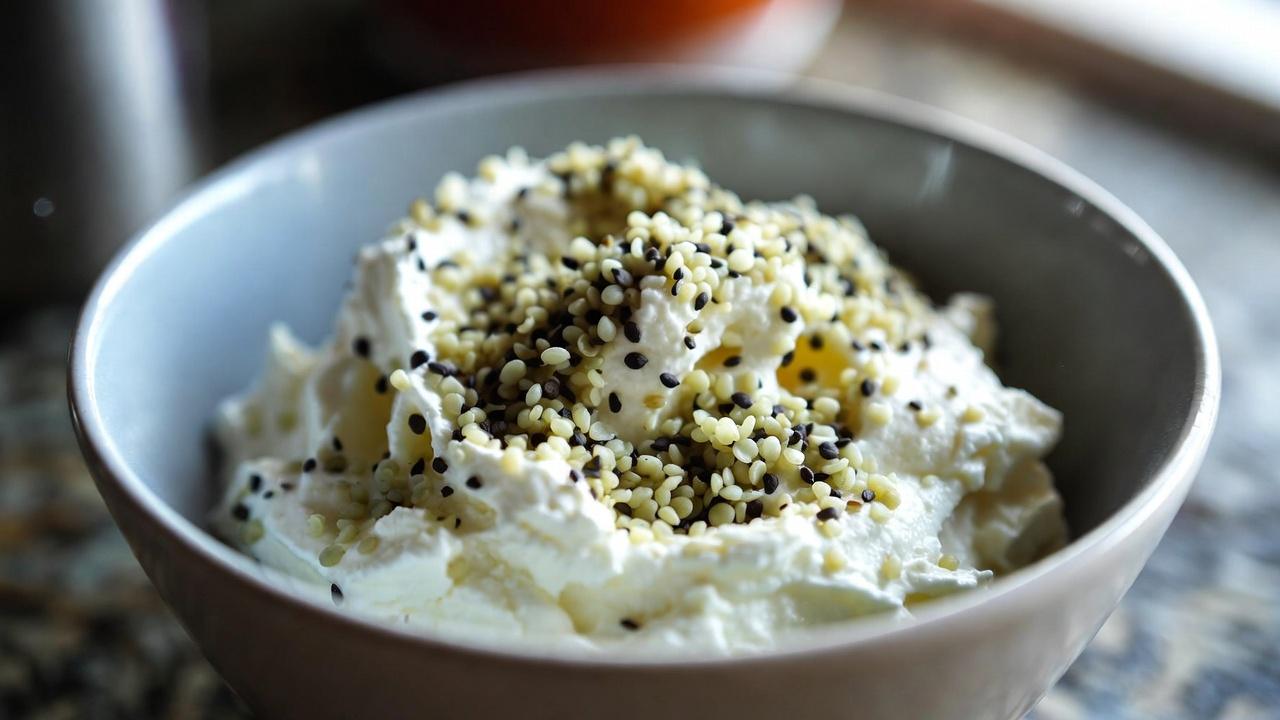
5. Sesame Seeds: Excellent Source of Calcium and Antioxidants
Sesame seeds are one of the best plant-based sources of calcium, which muscles need for proper contraction. Black sesame seeds also contain antioxidants that support cellular health.
A study from Tufts University found that calcium from sesame seeds may be absorbed more efficiently than from some other sources. Toasting them lightly enhances flavor and digestibility.
Simple ways to enjoy:
- Add 1-2 tablespoons to salads
- Make a quick tahini spread for vegetables
- Sprinkle on oatmeal or stir-fries
Here’s a quick comparison of calcium content:
| Source | Calcium per 2 Tbsp | Notes |
|---|---|---|
| Sesame Seeds | ~175 mg | High absorption potential |
| Milk (1 cup) | ~300 mg | Dairy source |
| Almonds (1 oz) | ~75 mg | Another nut option |
4. Flax Seeds: Rich in Omega-3s and Fiber
Flax seeds are high in alpha-linolenic acid (ALA), a plant-based omega-3 that helps manage inflammation. They also contain lignans, compounds linked to hormonal balance.
A University of Toronto study showed that adding ground flax reduced markers of inflammation in adults. Always grind flax seeds fresh, as whole ones pass through undigested.
Easy incorporation tips:
- Add 1-2 tablespoons ground flax to oatmeal
- Mix into baked goods or smoothies
- Store ground flax in the fridge for up to a week
3. Chia Seeds: Provide Sustained Energy and Hydration Support
Chia seeds absorb water and form a gel, which helps with hydration and steady nutrient release. They offer complete protein and are rich in fiber.
Research from the University of Alabama indicated that chia seeds supported endurance and recovery in active adults. They’re especially helpful for staying energized throughout the day.
Quick recipe ideas:
- Make overnight chia pudding with milk and fruit
- Add to water or juice for a simple gel drink
- Stir into yogurt for extra texture
2. Pumpkin Seeds: Outstanding Magnesium Source
About 68% of older adults don’t get enough magnesium, a mineral involved in over 300 bodily reactions, including muscle relaxation and protein synthesis.
One ounce of pumpkin seeds provides nearly half the daily recommended magnesium. Studies in the Journal of the American Geriatrics Society link adequate magnesium to better strength in seniors.
Evening snack suggestion:
- Enjoy a small handful 1-2 hours before bed
- Combine with a few dried fruits for balance
- Roast lightly for better flavor
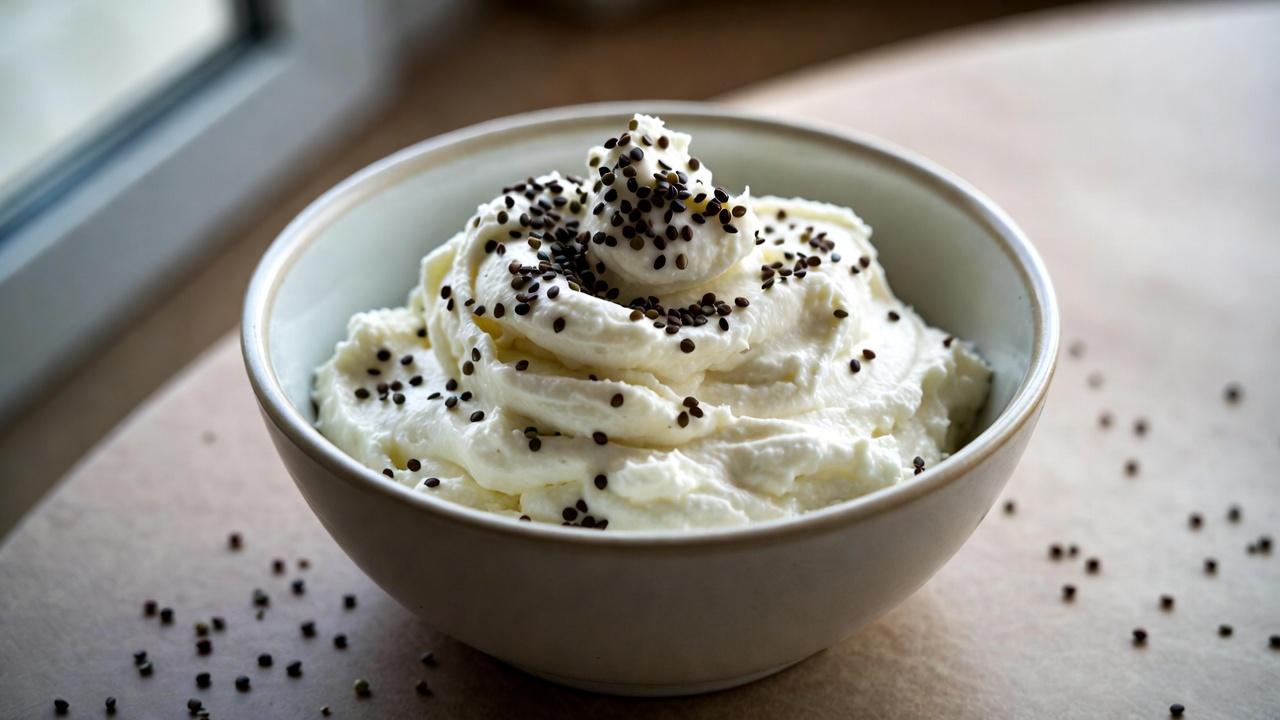
1. Hemp Seeds: Highly Digestible Complete Protein
Hemp seeds contain edestin and albumin, two proteins that are easily digested, even as digestive efficiency changes with age. They also provide a balanced omega-6 to omega-3 ratio.
Research from the University of Manitoba using DEXA scans showed positive changes in body composition when participants added hemp seeds regularly.
Daily ideas:
- Top salads with 2-3 tablespoons
- Blend into smoothies or oatmeal
- Sprinkle on soups just before serving
How to Start Including These Seeds in Your Routine
Begin slowly to allow your body to adjust. Here’s a simple 4-week plan:
Week 1: Focus on hemp and pumpkin seeds (total 4-5 tablespoons daily)
Week 2: Add chia seeds
Week 3: Include ground flax
Week 4: Rotate all six for variety
Sample daily menu (around 10-12 tablespoons total):
- Breakfast: Greek yogurt with 3 tbsp hemp seeds
- Mid-morning: Handful of pumpkin seeds
- Lunch: Salad with chia and sesame seeds
- Afternoon: Smoothie with ground flax
- Dinner: Main dish sprinkled with sacha inchi
This approach provides about 40-50 grams of additional plant protein daily, plus key minerals.
Tracking Progress and Staying Safe
Simple at-home tests can help you monitor improvements:
- Time how long you can hold a wall sit
- Count how many times you can stand from a chair in 30 seconds
- Note grip strength with everyday tasks
Retest every 2-4 weeks. Combine seed intake with gentle strength exercises and walking for best results.
Safety tips:
- Start with small amounts (1 teaspoon per seed type)
- Drink plenty of water throughout the day
- If taking blood thinners, talk to your doctor about flax and hemp
- Choose unsalted, unsweetened varieties
Final Thoughts
Adding these six seeds to your meals can provide meaningful nutritional support for maintaining strength and vitality after 70. They’re affordable, versatile, and backed by research showing benefits for protein use, inflammation management, and mineral status.
Small consistent changes often lead to noticeable differences in energy and ease of movement over time.
Frequently Asked Questions
Can seeds alone build muscle after 70?
No single food works alone. Seeds provide valuable nutrients, but combining them with regular movement and adequate overall protein gives the best support.
How much should I eat daily?
Most adults tolerate 8-12 tablespoons total from various seeds. Start lower and increase gradually while monitoring digestion.
Are there any seeds to avoid?
Most are safe in moderation. If you have allergies or specific conditions, check with your healthcare provider first.
This article is for informational purposes only and is not medical advice. Always consult your healthcare professional before making significant dietary changes, especially if you have medical conditions or take medications. Individual results vary.


