Many people worry about their kidney health as they get older, especially with common issues like fatigue, swelling in the legs, or frequent nighttime bathroom trips. These can make daily life feel heavier and disrupt much-needed rest. The good news is that small changes to your evening routine might help support your body’s natural processes, including how your kidneys function overnight.
Research suggests that quality sleep and certain nighttime habits play a role in overall well-being, including fluid balance and stress management. But here’s something intriguing: one lesser-known habit could tie it all together for even more benefits—keep reading to discover it at the end.

Why Your Evening Routine Matters for Kidney Support
Your kidneys work around the clock to filter waste, balance fluids, and regulate blood pressure. Studies show that getting enough rest—aiming for 7-8 hours—helps support these functions, as poor sleep patterns have been linked to challenges in kidney health over time.
Simple adjustments before bed, like consistent timing and mindful choices, may promote better sleep quality and reduce everyday discomforts. Many people report feeling more energized and less bloated after trying these approaches.
Ready to explore habits that could make a difference? Let’s dive in.
Habit #1: Aim for a Consistent Early Bedtime
Going to bed at a similar time each night, ideally around 10-10:30 p.m., can help align with your body’s natural rhythm.
Research indicates that adequate sleep duration supports overall health, and consistent routines may contribute to better rest. Poor sleep has been associated with various health concerns, so prioritizing this window could be a foundational step.
How to try it:
- Set a gentle reminder to wind down by 10 p.m.
- Dim lights and avoid screens an hour before bed.
- Stick to it most nights for potential benefits.
This alone might help you feel more refreshed in the morning.
Habit #2: Finish Eating Earlier in the Evening
Avoiding heavy meals or snacks after 7-8 p.m. gives your body time to digest before rest.
Studies suggest that high salt or protein late at night can influence blood pressure and fluid balance. Shifting most intake earlier may support easier overnight processing.
Quick tips:
- Enjoy dinner by 7 p.m.
- If needed, opt for light options like a few berries.
- Notice how this affects your comfort levels.
Many find this reduces disruptions during the night.
Habit #3: Elevate Your Legs Before Bed
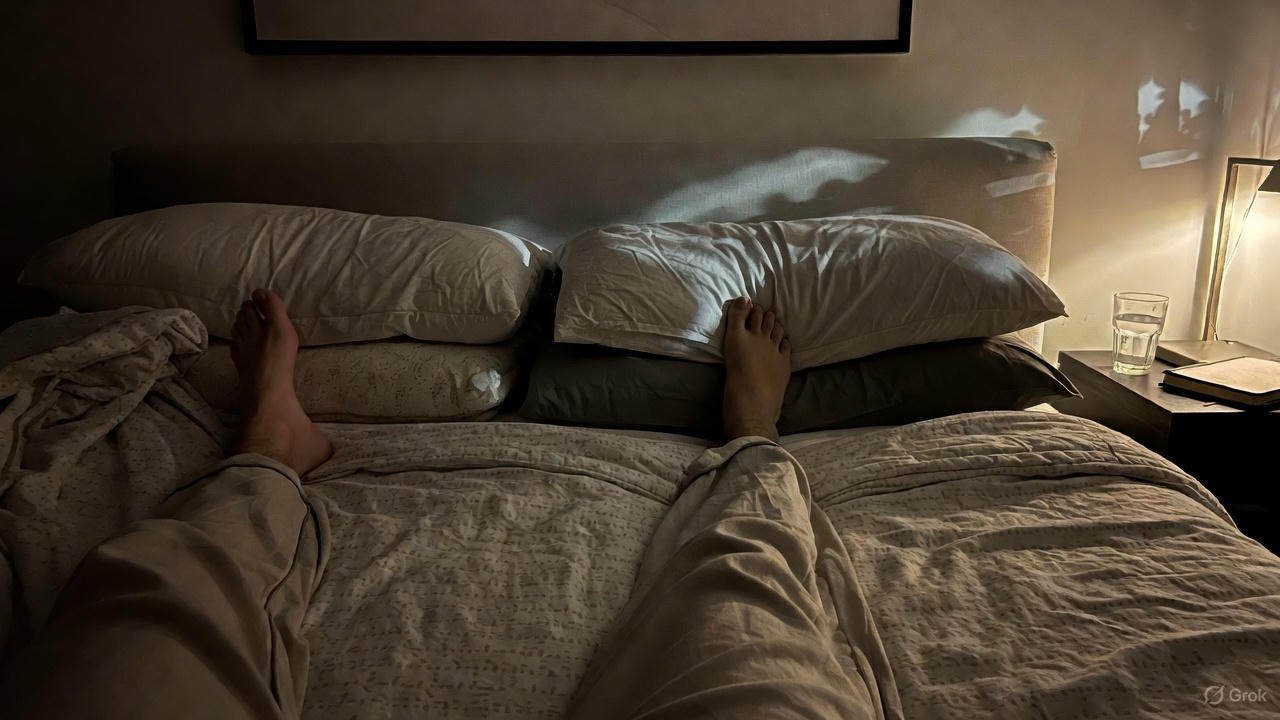
If you notice puffiness in your ankles or legs by evening, try raising them above heart level for 10-15 minutes pre-bedtime.
This simple step helps with fluid circulation, and elevating legs is a common recommendation for managing everyday swelling.
Step-by-step:
- Lie down and prop legs on pillows.
- Relax for 12 minutes.
- Do this daily to see if it makes a difference.
It’s an easy way to feel lighter going into sleep.
Habit #4: Take a Gentle Post-Dinner Walk
A short 10-15 minute stroll after eating can be refreshing.
Research shows that light walking after meals helps with blood sugar control and may lower blood pressure, both important for long-term health.
How to incorporate it:
- Walk slowly 20-30 minutes after dinner.
- Keep it enjoyable—no need for intensity.
- Even a few minutes can add up.
This habit might boost your energy and support better rest.
Habit #5: Spread Hydration Throughout the Day
Drinking most fluids earlier and tapering off after 6-7 p.m. can minimize nighttime trips.
Experts note that evening fluid intake affects urination frequency, and balanced hydration supports kidney function without overload.
Practical approach:
- Focus on water during daytime hours.
- Sip sparingly in the evening if thirsty.
- Aim for pale yellow urine as a guide.
Users often report fewer interruptions and deeper sleep.
Habit #6: Practice a Short Breathing Exercise
Try 5-7 minutes of slow, deep breathing before bed, like the 4-7-8 method (inhale for 4, hold for 7, exhale for 8).
Studies link breathing techniques to lower cortisol (stress hormone) and improved relaxation, which may aid sleep.
Easy steps:
- Sit or lie comfortably.
- Repeat cycles for a few minutes.
- Focus on your breath to unwind.
This can signal your body it’s time to relax.
The Bonus Habit Many Overlook: A Quick Gratitude Reflection
Here’s the one that rounds it all out: Spend 2-3 minutes noting something you’re thankful for or planning a small positive for tomorrow.
Research on gratitude practices shows links to reduced stress, better mood, and improved sleep quality.
Try this:
- Jot down one gratitude and one simple plan.
- Do it nightly as a wind-down ritual.
It may enhance the effects of the other habits.
A Sample 4-Week Plan to Build These Habits
| Week | Focus Habits | Potential Notes |
|---|---|---|
| 1 | Consistent bedtime + earlier eating | Better rest, less morning fatigue |
| 2 | Add leg elevation + post-dinner walk | Noticeable comfort in legs |
| 3 | Smart hydration + breathing | Fewer nighttime wakes |
| 4 | Full routine + gratitude reflection | Overall sense of calm |
Start slow—one or two habits at a time.
Common Approaches Compared to These Habits
| Approach | Typical Effort | Potential Benefits Noted in Studies |
|---|---|---|
| Medications | Daily pills | Managed symptoms |
| Strict diets | Ongoing planning | Fluid and pressure support |
| These bedtime habits | Simple routines | Better sleep, reduced stress |
Lifestyle tweaks like these are free and easy to try.
Final Thoughts
Incorporating these evening habits might help you wake up feeling more rested and balanced. Many people find that focusing on sleep and relaxation supports their daily well-being.
Start with what feels easiest tonight—you might be surprised by the difference.
Frequently Asked Questions
1. How long until I notice changes from these habits?
Consistency matters; some report improvements in sleep or energy within a week or two, but it varies.
2. Can these habits help with swelling or frequent urination?
Habits like elevation, hydration timing, and consistent sleep may support comfort, based on general research.
3. Is it safe to try these if I have health concerns?
These are general suggestions—always check with your doctor for personalized advice.
Disclaimer: This article is for informational purposes only and is not medical advice. Lifestyle changes can support health but do not diagnose, treat, or cure any condition. Consult your healthcare provider before making changes, especially if you have kidney issues, diabetes, high blood pressure, or take medications. Monitor your health closely.