
Many people go through their daily routines feeling a bit off—maybe a strange tiredness after short walks or an unexplained ache that comes and goes. These small discomforts are easy to dismiss as normal parts of life or getting older. Yet sometimes, they could be quiet signals from your body about circulation issues building over time. The good news? Paying attention early can make a real difference in how you feel long-term.
But here’s what most people don’t realize: There’s one unusual sign you can spot simply by looking in the mirror—and we’ll reveal it (along with others) as we go deeper.
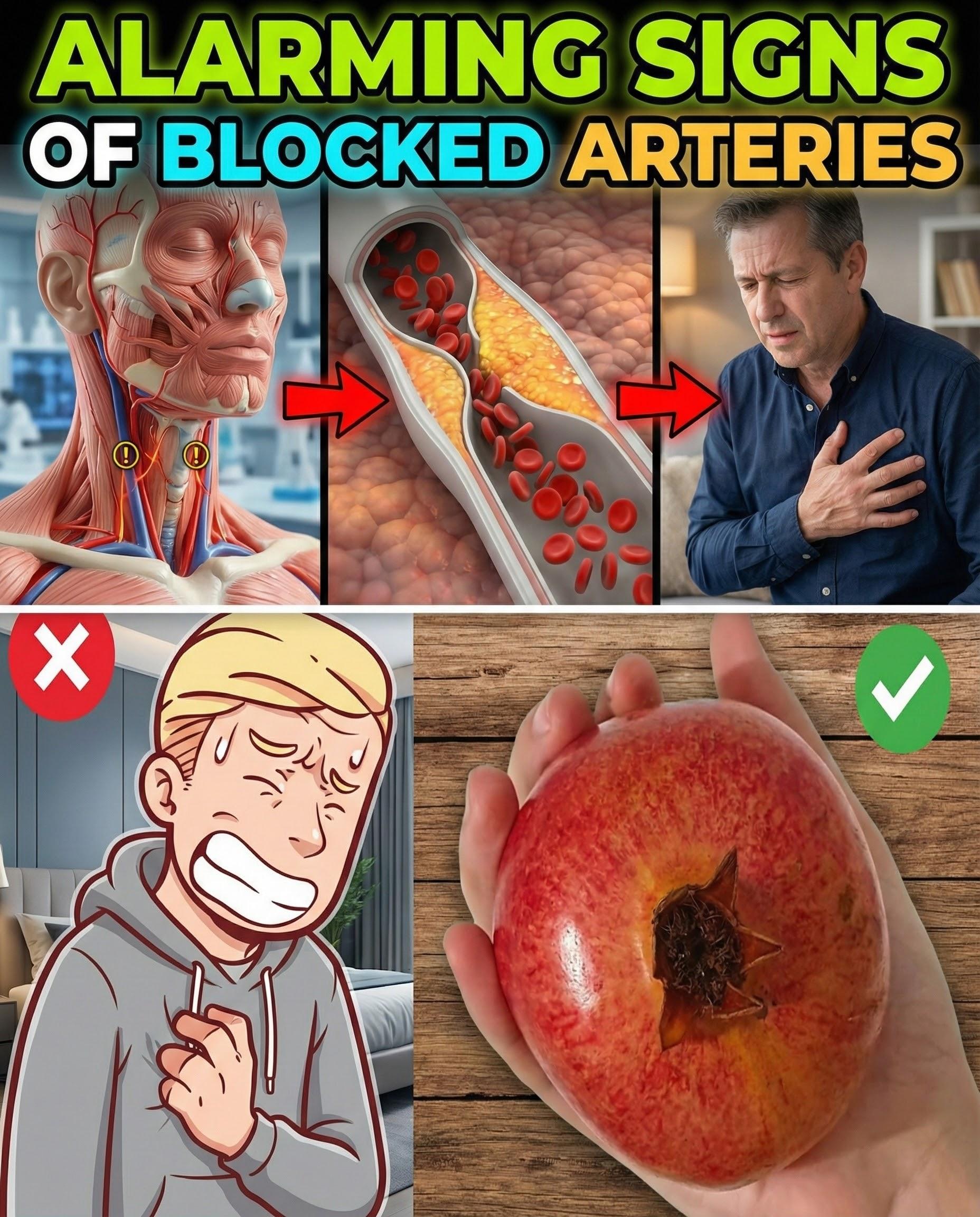
Why These Subtle Signals Matter More Than You Think
Arterial health affects how well blood flows throughout your body. When plaque slowly builds up—a process called atherosclerosis—arteries can narrow significantly before any major symptoms appear. Research shows this can happen quietly until blockages reach 70% or more.
The problem is, many wait for obvious chest pain or dramatic events. By then, options become more limited. Spotting earlier clues gives you a valuable window to support better circulation through everyday habits.
And the clues are often hiding in plain sight.
1. Leg Discomfort That Eases Quickly With Rest
Imagine walking through the park or climbing stairs, and suddenly your calves feel heavy, tight, or cramp-like. You pause for a moment, it fades, and you carry on. Sound familiar?
This pattern, known as claudication, happens when muscles don’t get enough oxygen during activity due to reduced blood flow. It’s common in peripheral artery disease (PAD), which affects millions worldwide.
Studies from the American Heart Association note that people with these leg symptoms often have similar issues in heart arteries. One real-life example: A 58-year-old active man noticed burning in his calves during golf. He thought it was just dehydration. Months later, tests showed severe blockage in a major leg artery. Early attention helped him get back to his games.
Key clue: If the discomfort starts with movement and stops soon after resting, it’s worth discussing with your doctor.
2. Changes in Sexual Health for Men and Women
This one is personal, but important. Many men experience difficulty achieving or maintaining an erection and chalk it up to stress or age.
The arteries involved here are smaller than those around the heart. Reduced flow often shows up in these areas first—like an early warning system.
Research published in the Journal of the American College of Cardiology suggests men with these changes have a higher chance of heart-related events within a few years.
Women can experience similar circulation effects, such as lower energy or satisfaction during intimacy due to pelvic blood flow changes.
The takeaway? These aren’t just isolated issues—they reflect overall vascular health.
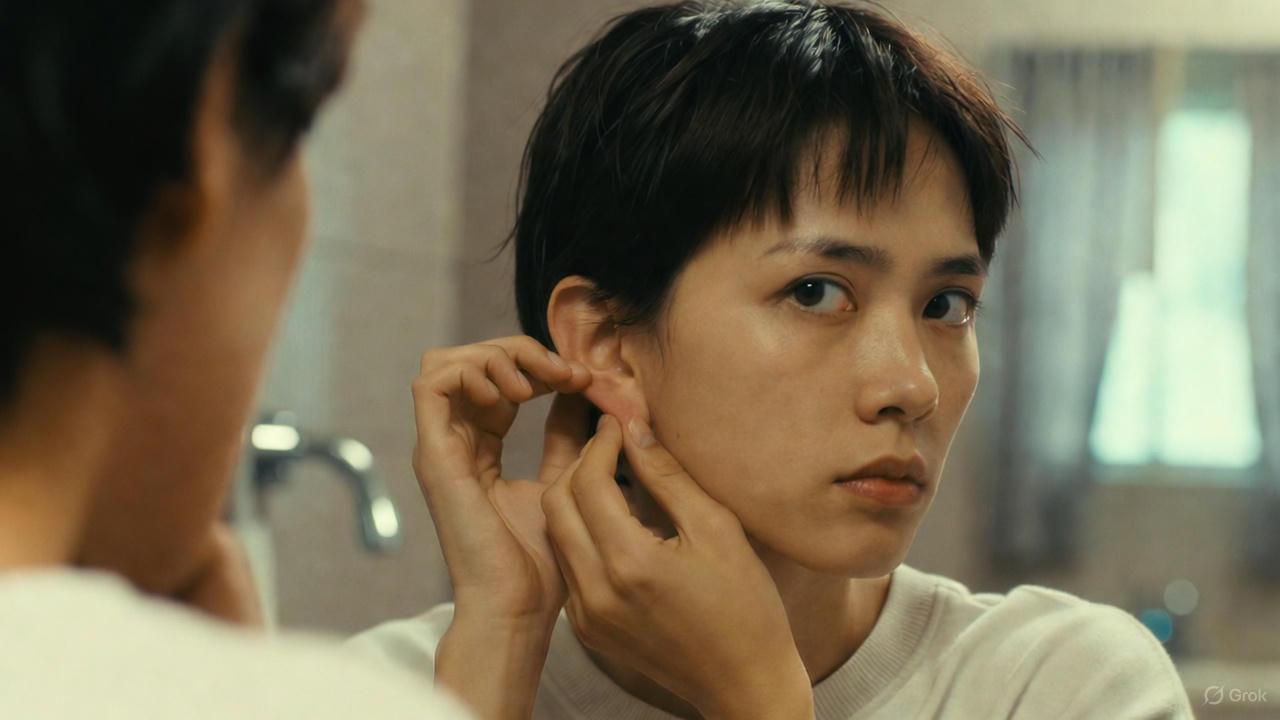
3. The Diagonal Earlobe Crease You Might See in the Mirror
This is the unusual sign we promised earlier. Take a quick look at your earlobes right now.
Do you notice a diagonal line running from the small flap near your face down toward the bottom edge? It’s called Frank’s sign.
Multiple studies, including one in the British Medical Journal, have found a link between this crease and higher likelihood of atherosclerosis. Researchers believe it relates to changes in tiny blood vessels and loss of elasticity in connective tissue.
It’s not definitive on its own, especially if you’re young. But combined with other risk factors like high blood pressure, it becomes a conversation worth having with your healthcare provider.
Surprisingly simple to check—and completely free.
4. Unusual Tightness in the Jaw, Neck, or Shoulders
Classic chest pressure gets all the attention, but discomfort can appear in less obvious places.
Women, in particular, often experience jaw, neck, or even toothache-like sensations during reduced heart blood flow.
One case involved a 62-year-old woman who felt jaw pain while carrying groceries. She first visited the dentist—nothing wrong. Later, it turned out to be referred discomfort from angina.
Nerve pathways explain why sensations radiate to these areas. If pressure or squeezing worsens with activity or stress, don’t brush it off.
5. Noticeable Breathlessness During Everyday Activities
You climb one flight of stairs or carry laundry, and suddenly you’re winded—more than you remember being last year.
Shortness of breath without clear cause can signal the heart working harder to pump through narrowed arteries.
Try the “talk test”: Can you walk at a normal pace while holding a conversation? Struggling to speak full sentences might indicate oxygen delivery issues.
Studies show this symptom often appears earlier in people with developing circulation problems.
6. Thinning Hair or Early Greying Patterns
This connection might surprise you. A large study of over 2,000 men found those with premature greying or male-pattern baldness before age 40 had higher heart disease risk—sometimes more than obesity alone.
Scientists think it relates to biological aging affecting both hair follicles and blood vessels similarly.
While not a direct cause, it’s another clue when combined with family history or other factors.
How to Tell Normal Changes From Potential Warnings
It’s tricky to separate everyday aging from meaningful signals. Here’s a simple comparison:
| Symptom | More Likely Normal Aging | Possible Circulation Clue |
|---|---|---|
| Leg discomfort | Random aches after long days or inactivity | Predictable pain with walking, relieves with rest |
| Fatigue | Tired after poor sleep or big meals | Exhausted after light tasks like showering |
| Breathlessness | Winded after intense effort | Short of breath after minimal activity or at rest |
| Discomfort location | Sharp pain in specific joints | Pressure or squeezing in chest, jaw, neck |
Use this as a starting point—not a diagnosis.
Simple Daily Habits to Support Better Circulation
You don’t need dramatic changes. Small, consistent steps add up.
Here are practical ideas you can start today:
- Walk briskly for 30 minutes most days—build up gradually if needed
- Add more colorful vegetables, fruits, nuts, and fatty fish to meals
- Stay hydrated—aim for water throughout the day
- Practice deep breathing or short meditation to manage stress
- Quit smoking if you do—it’s one of the biggest favors you can do for your arteries
Research consistently shows these lifestyle patterns are linked to healthier blood vessels over time.
Your Next Steps for Peace of Mind
Knowledge is power. Schedule a check-up and mention any of these signals you’ve noticed.
Ask about tests like a coronary artery calcium (CAC) score, which can detect early plaque buildup.
Track your symptoms in a simple journal—note when they happen and what you were doing.
Small observations today can lead to better health tomorrow.

Frequently Asked Questions
Can poor artery health improve with lifestyle changes alone?
Many people see meaningful improvements in symptoms and risk factors through diet, exercise, and stress management. Results vary by individual.
At what age should I start paying attention to these signs?
Risk increases after 40–50, but younger people with family history or other factors benefit from awareness too.
Is the earlobe crease always a serious warning?
No—many people have it without issues. It’s just one potential clue among several.
This article is for general information only and is not medical advice. Always consult your healthcare provider about any symptoms or concerns you have regarding heart or vascular health.


