As you reach your mid-60s and beyond, you might notice that everyday activities leave you feeling more tired than before, and it takes longer to bounce back from minor illnesses. This gradual shift can feel frustrating, especially when you’re doing your best to stay active and eat well. The good news is that simple, natural additions to your daily meals can offer meaningful nutritional support for energy and resilience.
What many people overlook are tiny seeds that pack a surprising amount of beneficial nutrients. Keep reading to discover six evidence-backed seeds that may help you feel more energized and supported as you age.

Why Seeds Deserve a Closer Look After 65
Aging naturally brings changes like increased oxidative stress and low-level inflammation, which can affect how energetic you feel day to day. Research shows that certain nutrients—healthy fats, fiber, minerals, and plant compounds—play a role in supporting cellular health and immune balance.
Seeds are particularly nutrient-dense because they contain everything a plant needs to grow. Adding a variety of them to your diet provides a broad spectrum of these supportive compounds without drastic changes to your routine.
But that’s not all. When chosen wisely, these seeds work together in ways that individual foods often can’t match.
1. Chia Seeds: Gentle Support for Digestion and Steady Energy
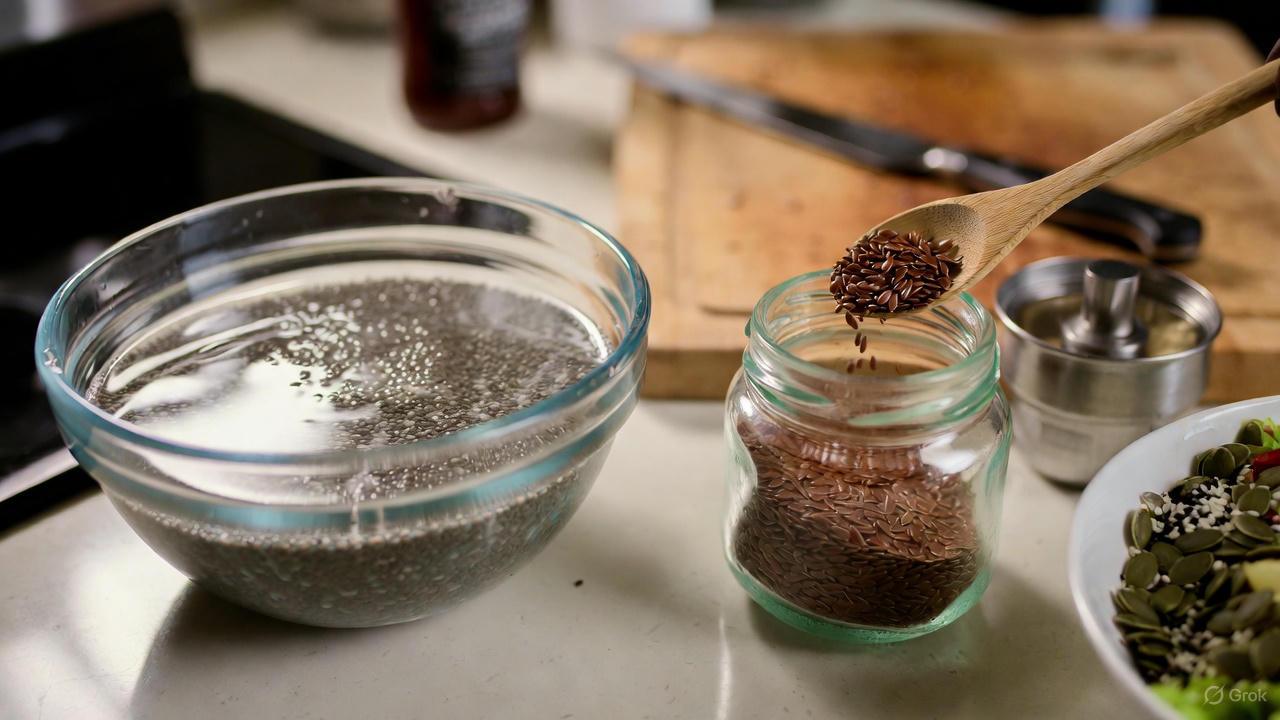
Chia seeds are rich in soluble fiber and omega-3 fatty acids. When mixed with liquid, they form a gel that helps promote regular digestion—a key factor for nutrient absorption and comfort as we age.
Studies suggest that the antioxidants in chia seeds help combat oxidative stress. Many people also appreciate the sustained energy they provide, without sharp blood sugar fluctuations.
A simple way to start: soak 1 tablespoon in water or plant milk overnight and add to breakfast.
2. Flaxseeds: Plant Compounds for Overall Balance
Ground flaxseeds stand out for their high lignan content—plant compounds that research links to antioxidant activity. They also deliver fiber and omega-3s that support heart and metabolic health.
For best absorption, always use freshly ground flaxseed rather than whole seeds. Sprinkle it over yogurt, blend into smoothies, or mix into baked goods.
This small habit can become an easy daily boost.
3. Pumpkin Seeds: A Natural Source of Zinc and Magnesium
Zinc and magnesium levels sometimes decline with age, and both minerals play important roles in immune function and muscle relaxation. Pumpkin seeds are one of the most concentrated natural sources.
A small handful as a snack may also help promote better sleep quality—essential for overnight recovery and repair.
Roast them lightly with a pinch of sea salt for extra flavor.
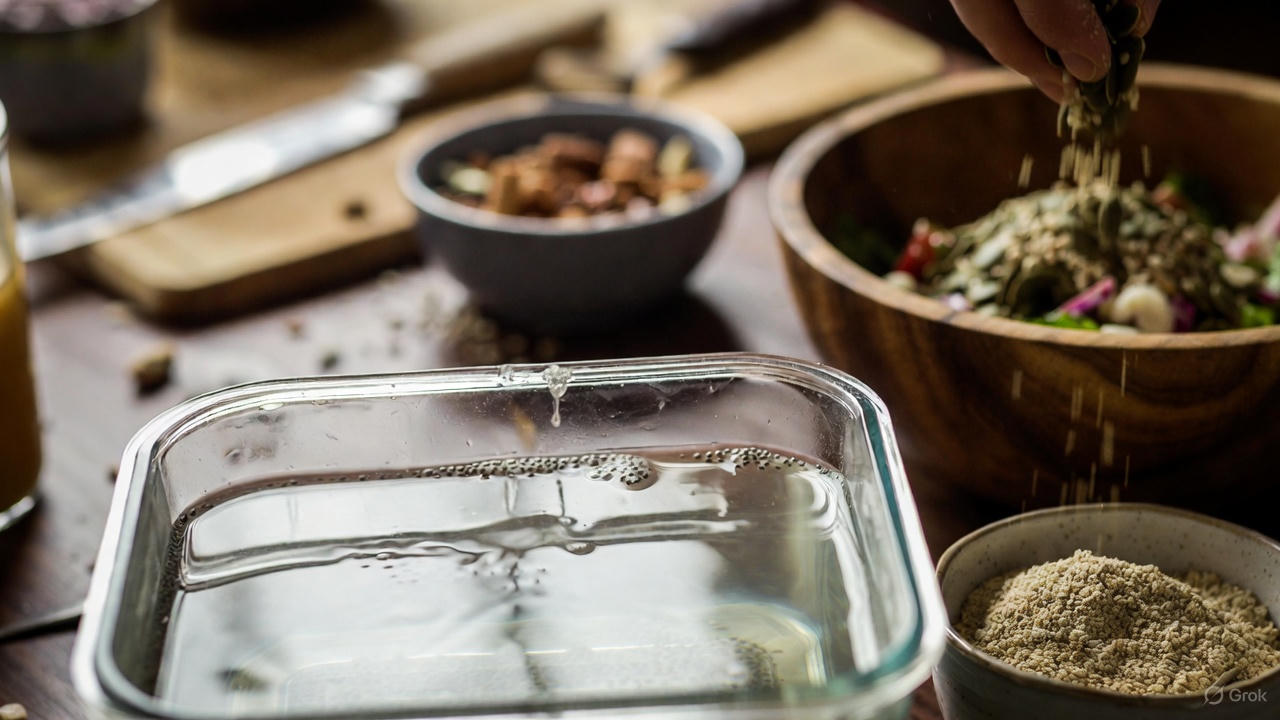
4. Sesame Seeds: Anti-Inflammatory Compounds and Bone Support
Sesame seeds contain sesamin and sesamolin, compounds that studies show have antioxidant and anti-inflammatory properties. They’re also a good plant-based source of calcium and other minerals important for bone health.
Sprinkle toasted sesame seeds on vegetables, stir-fries, or salads for a nutty taste and subtle crunch.
Here’s the interesting part: regular small amounts add up over time.
5. Sunflower Seeds: Vitamin E for Cellular Protection
Sunflower seeds are one of the best food sources of vitamin E, a fat-soluble antioxidant that helps protect cells from oxidative damage. This nutrient is especially important for maintaining healthy circulation.
Choose unsalted, raw or lightly roasted varieties to keep sodium in check. Add them to trail mixes or sprinkle over soups.
6. Hemp Seeds: Balanced Essential Fatty Acids and Complete Protein
Hemp seeds provide an optimal ratio of omega-3 to omega-6 fatty acids, plus gamma-linolenic acid (GLA), which research suggests may help maintain healthy inflammatory responses.
They’re also a complete plant protein—helpful for preserving muscle strength with age. Their mild, nutty flavor works well in almost any dish.
How These Six Seeds Complement Each Other
Each seed brings something unique to the table. Together, they create nutritional synergy:
- Chia seeds → Fiber + omega-3s for digestion and steady energy
- Flaxseeds → Lignans + omega-3s for cellular and hormonal support
- Pumpkin seeds → Zinc + magnesium for immune and sleep health
- Sesame seeds → Sesamin + calcium for inflammation balance and bones
- Sunflower seeds → Vitamin E for antioxidant protection
- Hemp seeds → GLA + complete protein for inflammation and muscle support
Variety is the key to getting the widest range of benefits.
Simple Ways to Add These Seeds to Your Daily Routine
You don’t need complicated recipes. Here’s a gentle 6-week plan to build the habit:
Weeks 1–2 (Start small):
Add 1 tablespoon of soaked chia seeds and 1 tablespoon ground flaxseed to breakfast.
Weeks 3–4 (Build variety):
Include a small handful of pumpkin seeds and 1 teaspoon sesame seeds with lunch or dinner.
Weeks 5–6 (Complete the mix):
Add sunflower and hemp seeds as snacks or toppings—aim for 1–2 tablespoons total mixed seeds daily.
Ongoing maintenance:
Keep a small jar of pre-mixed seeds in the fridge for convenience.
Quick Everyday Ideas
- Stir chia or flax into oatmeal or yogurt
- Toss pumpkin and sunflower seeds into salads
- Sprinkle sesame and hemp seeds over roasted vegetables
- Blend any combination into smoothies
- Pair with vitamin-C-rich fruits (like berries or citrus) to enhance mineral absorption
What Research Says About Seeds and Healthy Aging
Numerous studies published in journals like Nutrients and The American Journal of Clinical Nutrition highlight the role of nuts and seeds in supporting heart health, reducing oxidative markers, and maintaining cognitive function in older adults.
While no single food is a magic solution, consistent intake of nutrient-dense seeds appears to contribute positively to overall wellness.
Final Thoughts
Incorporating these six seeds into your meals is a simple, sustainable way to provide your body with diverse nutrients that support vitality and natural defenses. Start with one or two that appeal most to you, then gradually add the rest.
Small, consistent steps often deliver the most lasting benefits.
Frequently Asked Questions
Can I eat too many seeds?
Yes—moderation is important. Stick to 1–3 tablespoons total per day to avoid excess calories or digestive discomfort.
Do I need to buy organic seeds?
Organic is a personal choice, but conventionally grown seeds are generally safe when rinsed well. Prioritize freshness over labels.
What if I have nut or seed allergies?
Always check with your healthcare provider first. There are usually safe alternatives within the list.
Disclaimer: This article is for informational purposes only and is not intended to diagnose, treat, cure, or prevent any disease. Always consult your healthcare professional before making significant changes to your diet, especially if you have medical conditions or take medications.