
As we get older, maintaining good health becomes a bigger priority, especially when it comes to supporting our body’s natural defenses. Many seniors worry about staying active and feeling their best as the years go by. Simple changes to everyday eating habits can make a real difference in how we feel day to day. What if adding a few common seeds to your meals could offer gentle, natural support? Keep reading to discover six seeds backed by research that might help you feel more energized and protected.

Why Seeds Are Worth Considering for Seniors
Seeds are small but packed with nutrients like healthy fats, fiber, vitamins, and plant compounds. Research shows these elements can help reduce inflammation, support cell health, and promote overall wellness. For seniors, who may face more oxidative stress or slower digestion, these tiny additions could provide meaningful benefits.
Studies, including reviews in journals like Nutrients, suggest that regular intake of certain seeds is linked to better antioxidant activity and gut health. The best part? They’re easy to find, affordable, and simple to include in meals. But which ones stand out the most? Let’s explore them one by one.
Pumpkin Seeds: A Gentle Way to Support Daily Comfort
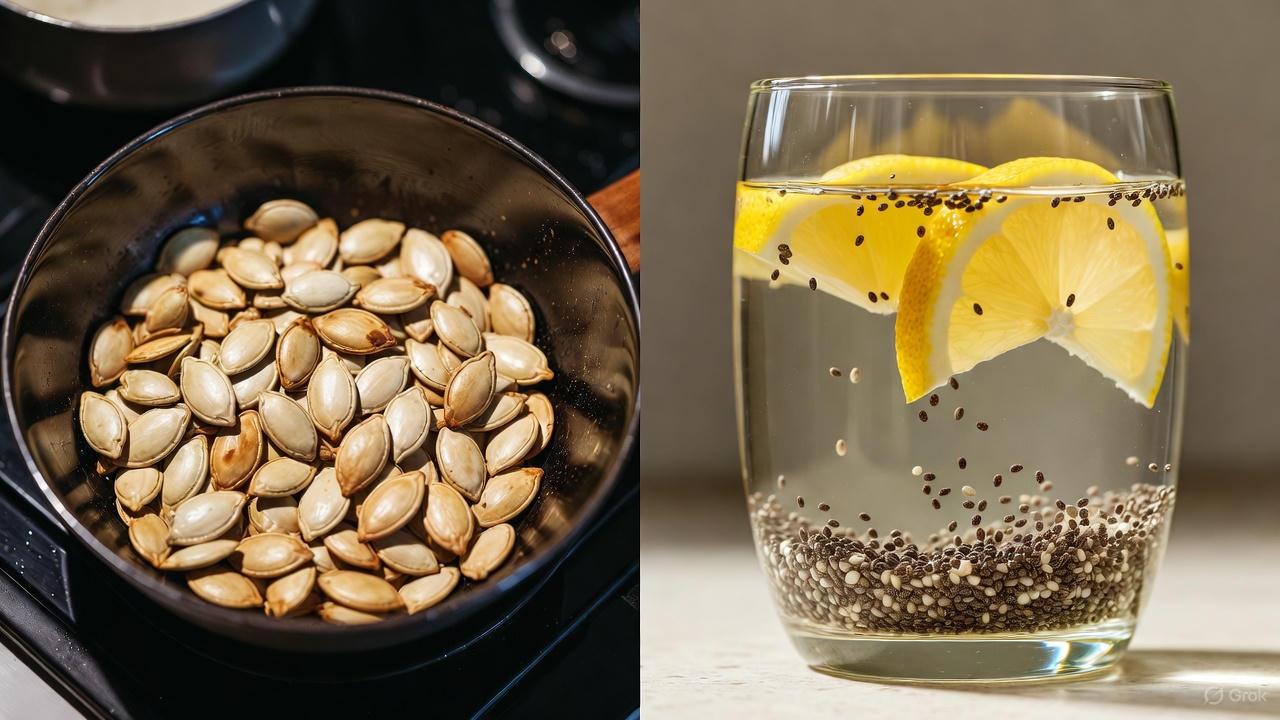
Pumpkin seeds, also known as pepitas, have a mild, nutty flavor that’s easy to enjoy. They’re rich in magnesium, which plays a role in hundreds of body processes, including muscle relaxation and energy production.
A 2023 study in Nutrients highlighted compounds in pumpkin seeds called cucurbitacins that may help calm inflammation naturally. Many seniors find that a small handful helps with everyday stiffness. Try roasting them lightly at home for a crunchy snack.
Suggested daily amount: About 1/4 cup of unsalted, roasted seeds.
But that’s just the start. The next seed brings something special for hormone balance.
Flaxseeds: Small Seeds with Big Fiber and Omega-3 Benefits
Flaxseeds come in golden or brown varieties and need to be ground for better absorption. They’re one of the best plant sources of omega-3 fatty acids and contain lignans—plant compounds studied for their potential protective effects.
A 2024 meta-analysis in Cancer Prevention Research noted that lignans from flax may support healthy cell growth in various studies. Seniors often appreciate how ground flax helps with regularity and heart health markers.
Add 1 tablespoon of freshly ground flax to yogurt or smoothies each morning. The subtle nutty taste blends right in.
Here’s the interesting part: another seed takes fiber to the next level.
Chia Seeds: The Hydrating Fiber Powerhouse
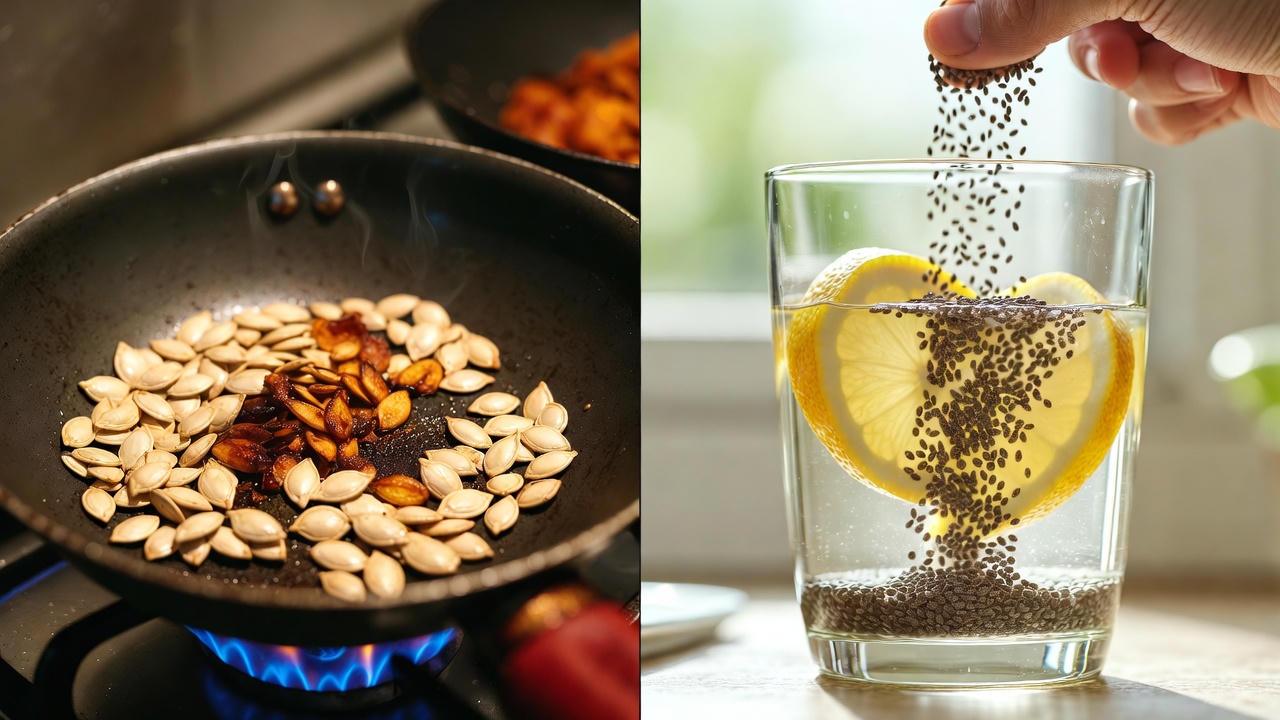
Chia seeds absorb liquid and form a gel-like texture, making them perfect for puddings or drinks. They’re loaded with soluble fiber that supports healthy digestion and steady energy.
Research in the Journal of Functional Foods (2023) points to chia’s prebiotic properties that feed beneficial gut bacteria. A healthy gut microbiome is linked to better immune function in older adults.
Mix 2 tablespoons into water with a splash of lemon for a refreshing drink. They expand quickly, helping you feel full longer.
Keep going—there’s a seed that’s especially rich in vitamin E.
Sunflower Seeds: Your Go-To for Antioxidant Support
Sunflower seeds offer a satisfying crunch and buttery taste. Just one ounce provides a significant amount of vitamin E, a powerful antioxidant.
A long-term Harvard study involving thousands of participants found higher vitamin E intake associated with better respiratory health in seniors. Vitamin E helps protect cells from daily wear and tear.
Sprinkle them on salads or eat a small handful as a midday snack. Choose unsalted versions to keep sodium in check.
But wait until you hear about the next one’s unique compounds.
Sesame Seeds: Tiny Seeds with Traditional Wellness Roots
Sesame seeds have been used in cooking for centuries, adding an earthy, toasted flavor to dishes. They’re a good source of zinc and contain sesamol, a compound studied in lab settings.
A 2024 study in Antioxidants explored how sesamol may influence cell pathways. Many people enjoy black sesame for its slightly stronger taste and higher nutrient density.
Use 1 tablespoon daily—sprinkle on vegetables or rice for extra flavor.
Now, for the seed that rounds out the list with complete protein.
Hemp Seeds: Mild and Nutrient-Dense Protein Boost
Hemp seeds (or hemp hearts) have a soft texture and mild, nutty flavor similar to pine nuts. They’re THC-free and provide all essential amino acids, making them a complete plant protein.
Studies in Frontiers in Oncology (2023) have looked at gamma-linolenic acid (GLA) in hemp and its potential effects on inflammation pathways. Seniors often add them to shakes for easy protein.
Try 3 tablespoons in oatmeal or blended drinks for a creamy texture.
Quick Comparison of the Six Seeds
Here’s a simple table to help you choose based on your preferences:
| Seed | Key Nutrients/Compounds | Flavor Profile | Easy Daily Use Idea | Suggested Amount |
|---|---|---|---|---|
| Pumpkin | Magnesium, cucurbitacins | Nutty, toasty | Roasted snack or topping | 1/4 cup |
| Flax | Omega-3s, lignans | Mild nutty | Ground in smoothies | 1 tbsp ground |
| Chia | Soluble fiber, omega-3s | Neutral | Chia pudding or drinks | 2 tbsp |
| Sunflower | Vitamin E | Buttery | Salad topping or handful | 1 oz |
| Sesame | Zinc, sesamol | Earthy, toasted | Sprinkle on veggies | 1 tbsp |
| Hemp | Complete protein, GLA | Pine nut-like | Added to shakes or oatmeal | 3 tbsp |
Rotating through these keeps meals interesting and ensures a variety of benefits.
Simple Ways to Add These Seeds to Your Routine
Starting small makes it sustainable. Here’s a step-by-step guide:
- Pick 2-3 seeds to begin with this week.
- Measure portions using a tablespoon to avoid overdoing calories.
- Store in airtight containers in the fridge to maintain freshness.
- Grind flax and chia right before using for best nutrient absorption.
- Drink plenty of water, especially with chia and flax.
Sample daily plan:
Morning: Ground flax in breakfast.
Midday: Sunflower seeds on lunch.
Afternoon: Chia in a fruit snack.
Evening: Pumpkin and sesame on dinner.
Night: Hemp in a warm drink if desired.
Many people notice better energy and digestion within a few weeks.
Tips for Safe and Enjoyable Seed Consumption
Always choose raw or dry-roasted, unsalted seeds. If you’re on medications like blood thinners, check with your doctor first—some seeds have mild blood-thinning effects from omega-3s.
Start with half the suggested amounts if your digestive system needs time to adjust. Variety is key, so rotate seeds throughout the week.
Final Thoughts: Small Habits for Long-Term Wellness
Adding these six seeds to your daily meals is an easy, enjoyable way to support your body’s natural processes. Research continues to uncover how plant compounds work together for better health outcomes. By making these simple swaps, many seniors report feeling more vibrant and in control.
Start with one or two today. Your body will thank you over time.
Frequently Asked Questions
Can seniors eat these seeds every day safely?
Yes, in moderate amounts as part of a balanced diet. Start slowly and listen to your body.
Do I need to grind all seeds for better absorption?
Flax and chia benefit most from grinding. Others like pumpkin, sunflower, sesame, and hemp can be eaten whole.
Are there any seeds to avoid if I have allergies?
If you have nut or seed allergies, consult your doctor before trying new ones.
This article is for informational purposes only and is not a substitute for professional medical advice. Please consult your healthcare provider before making changes to your diet, especially if you have existing health conditions.


