As we enter our golden years, many people over 65 start thinking more about long-term health and ways to stay active and vibrant. The natural changes that come with aging, like slower recovery or increased oxidative stress, can sometimes raise concerns about overall wellness, including potential risks from chronic diseases. What’s encouraging is that simple, everyday foods—like certain nutrient-dense seeds—may offer meaningful nutritional support when added to a balanced diet.
Research suggests that incorporating a variety of seeds into daily meals could help provide antioxidants, healthy fats, fiber, and essential minerals that contribute to general well-being. Curious which ones stand out and why? Let’s explore six popular seeds backed by science—and discover practical ways to enjoy them every day.

Why Seeds Deserve a Spot in Your Daily Routine
Seeds are small but packed with nutrients. Studies show they contain compounds like polyphenols, omega-3 fatty acids, lignans, and minerals that may help the body maintain balance and resilience as we age.
Adding just one or two tablespoons of mixed seeds daily is an easy habit that requires no special equipment or complicated recipes. Best of all, most people tolerate them well and enjoy their mild, nutty flavors.
Here are the six seeds worth considering:
- Chia seeds
- Flaxseeds
- Pumpkin seeds
- Sesame seeds
- Sunflower seeds
- Hemp seeds
Ready to learn what makes each one special?
Chia Seeds: Tiny Powerhouses of Fiber and Antioxidants
Chia seeds have gained popularity for good reason. When mixed with liquid, they form a gel-like texture thanks to their high soluble fiber content.
Research published in the Journal of Nutritional Biochemistry indicates that the antioxidants in chia seeds may help combat oxidative stress—a natural process that increases with age. Another benefit? Their omega-3 fatty acids (in the form of ALA) support heart and brain health.
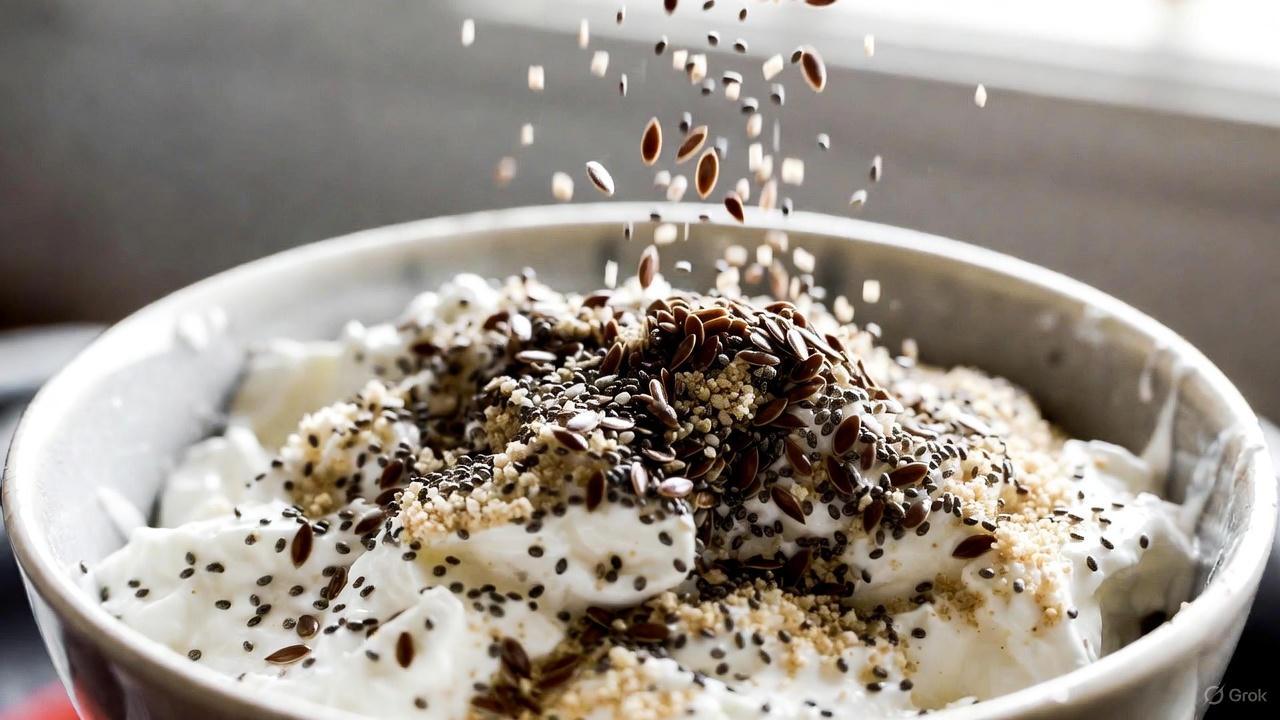
Simple way to start: Add 1 tablespoon to overnight oats or yogurt in the morning.
Flaxseeds: Rich in Lignans and Omega-3s
Flaxseeds are one of the best plant sources of lignans—compounds with antioxidant properties. A review in Nutrition and Cancer noted that higher lignan intake is associated with positive health markers in observational studies.
Because whole flaxseeds can pass through the digestive system undigested, it’s best to use ground flaxseed (or grind them yourself) to absorb the nutrients fully.
Try this: Stir 1 tablespoon of ground flax into smoothies or sprinkle over salad.

Pumpkin Seeds: Excellent Source of Zinc and Magnesium
Also known as pepitas, pumpkin seeds stand out for their mineral content. They provide meaningful amounts of zinc, which plays a role in immune function, and magnesium, important for muscle relaxation and sleep quality.
A study in Nutrients highlighted zinc’s contribution to healthy immune response—something many seniors want to support naturally.
Quick tip: Roast a small handful with a dash of sea salt for a satisfying afternoon snack.
Sesame Seeds: Packed with Healthy Fats and Sesamin
Sesame seeds bring a delightful toasty flavor and contain sesamin, a compound studied for its potential antioxidant effects. Research in Molecular Nutrition & Food Research suggests sesamin may support cellular health.
They’re also a good source of calcium and iron—minerals that remain important throughout life.
Easy idea: Sprinkle toasted sesame seeds over stir-fried vegetables or rice bowls.
Sunflower Seeds: Vitamin E for Everyday Protection
Sunflower seeds are one of the top natural sources of vitamin E, a fat-soluble antioxidant. Studies in the Journal of Cardiology link adequate vitamin E intake with heart-healthy benefits.
Enjoy them shelled to avoid excess sodium from packaged varieties.
Delicious option: Add a tablespoon to homemade trail mix with dried fruit.
Hemp Seeds: Complete Protein and Balanced Fats
Hemp seeds offer a rare plant-based complete protein plus a favorable omega-6 to omega-3 ratio. Research in Antioxidants points to their potential role in maintaining healthy inflammation levels.
Their mild, nutty taste makes them incredibly versatile.
Great way to use them: Blend into salad dressings or sprinkle over avocado toast.
How These Seeds May Work Together for Greater Benefit
Eating a variety of seeds rather than relying on just one provides a broader spectrum of nutrients. For example:
| Seed | Key Nutrients & Compounds | Potential Everyday Benefit |
|---|---|---|
| Chia | Soluble fiber, omega-3s, polyphenols | Supports digestion and sustained energy |
| Flax | Lignans, ALA omega-3s | Contributes antioxidant support |
| Pumpkin | Zinc, magnesium, healthy fats | Aids immune function and relaxation |
| Sesame | Sesamin, calcium, iron | Promotes cellular and bone health |
| Sunflower | Vitamin E, selenium | Provides antioxidant protection |
| Hemp | Complete protein, balanced omegas | Helps maintain muscle and inflammation balance |
Combining them creates a simple yet powerful daily habit.
Practical 4-Week Plan to Add Seeds Gradually
Starting small helps build lasting routines. Here’s an easy schedule:
Week 1–2
- Add 1 tablespoon total (mix chia + flax) to breakfast or smoothies daily.
Week 3–4
- Include 1 tablespoon total (pumpkin + sesame) as snacks or meal toppers.
Week 5+
- Incorporate sunflower and hemp seeds, working up to 1–2 tablespoons total mixed seeds per day.
Listen to your body and adjust portions as needed. Most people find 1–2 tablespoons daily comfortable and sustainable.
Delicious Everyday Ways to Enjoy Seeds
- Morning yogurt parfait layered with chia and fresh berries
- Smoothie boosted with ground flax and hemp
- Salad topped with pumpkin and sunflower seeds
- Stir-fry finished with toasted sesame seeds
- Homemade energy balls rolled in mixed seeds
These small additions can make meals more satisfying and nutrient-rich without much effort.
What Science Says About Long-Term Habits
Numerous large population studies, including those published in Cancer Prevention Research and The Lancet Healthy Longevity, suggest that diets rich in whole plant foods—including nuts and seeds—are linked to better health outcomes as we age.
While no single food can guarantee results, consistent healthy choices add up over time.
Final Thoughts
Incorporating these six seeds into your daily meals is a simple, affordable way to boost nutrient intake and support overall wellness as you age gracefully. Start with one or two that appeal most to you, experiment with flavors, and enjoy the process.
Small consistent steps often lead to the biggest long-term rewards.
Frequently Asked Questions
1. How many seeds should seniors eat daily?
Most adults tolerate 1–2 tablespoons of mixed seeds per day very well. Start lower if you’re new to them and gradually increase.
2. Do I need to grind all seeds for better absorption?
Flaxseeds benefit from grinding, but chia, pumpkin, sesame, sunflower, and hemp seeds are generally well-absorbed whole.
3. Can these seeds interact with medications?
Seeds are foods, not medicines, but high-fiber options like chia and flax may affect how some medications are absorbed. Take medications at least 1–2 hours apart from large amounts of seeds and consult your doctor if concerned.
Disclaimer: This article is for informational purposes only and is not intended as medical advice. Always consult your healthcare provider before making significant changes to your diet, especially if you have existing health conditions or take medications.