
Many women experience occasional bloating, mild pelvic discomfort, or changes in appetite that they attribute to stress, diet, or aging. These seemingly minor issues can linger for weeks or months, quietly disrupting daily life without raising immediate alarm. What starts as “just feeling off” can sometimes signal something more serious, like ovarian cancer, which is often detected at later stages when symptoms become more noticeable. The good news? Being aware of persistent changes and knowing when to seek guidance can make a real difference in early discussions with your doctor.
But here’s the part most people miss: these common symptoms, when they persist and occur frequently, deserve attention—especially if they’re new or worsening. Keep reading to discover the six key warning signs highlighted by trusted organizations like the American Cancer Society and Mayo Clinic, plus practical steps you can take today.
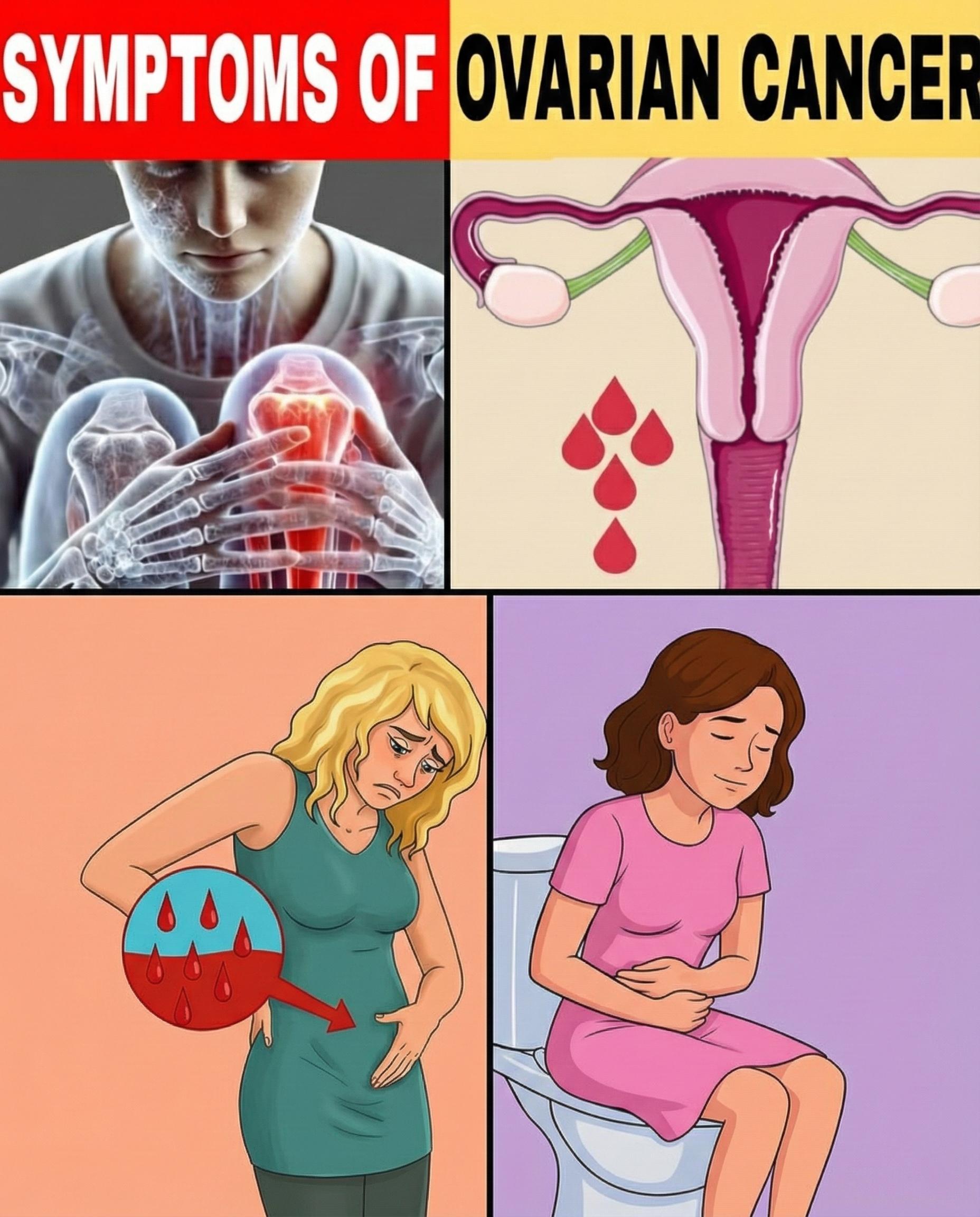
Why Ovarian Cancer Symptoms Are So Easy to Overlook
Ovarian cancer earns its reputation as a “silent” disease because early symptoms often mimic everyday conditions like irritable bowel syndrome, menopause, or simple indigestion. Research shows that only about 20% of cases are found in the early stages, when outcomes tend to be more favorable. The American Cancer Society notes that symptoms tend to be persistent—a change from what’s normal for you—and may occur more than 12 times a month.
This persistence is key. Unlike temporary issues that resolve on their own, these signs often stick around or gradually worsen. But that’s not all…
The 6 Key Warning Signs to Watch For
Here are the most commonly reported symptoms, based on guidelines from leading health organizations.
1. Persistent Abdominal Bloating or Swelling Imagine your clothes fitting tighter around the waist, not because of extra pounds, but due to a constant swollen or full feeling in your belly. This bloating often feels different from regular gas—it lingers day after day and may make your abdomen appear visibly distended. Many women describe it as uncomfortable pressure that doesn’t ease with diet changes. Studies highlight this as one of the most frequent early complaints.
2. Pelvic or Lower Abdominal Discomfort A dull, persistent ache or pressure in the lower abdomen or pelvic area, similar to menstrual cramps but not linked to your cycle. This discomfort can feel heavy or nagging and may come and go, but when it’s ongoing, it’s worth noting. The Mayo Clinic lists this as a common sign, often caused by pressure from growths in the area.
3. Feeling Full Quickly or Loss of Appetite You sit down to a normal meal but feel stuffed after just a few bites, or food suddenly loses its appeal. Known as early satiety, this subtle change can reduce enjoyment of eating and lead to unintended weight loss. It’s often linked to abdominal pressure affecting digestion.
4. Urinary Changes Like Frequency or Urgency Needing to urinate more often than usual, or feeling a sudden, strong urge—even without drinking extra fluids. This isn’t typically tied to a urinary tract infection and can disrupt your routine. The American Cancer Society points out that nearby pressure on the bladder may contribute to these shifts.
5. Persistent Back Pain Lower back pain that doesn’t improve with rest, stretching, or over-the-counter relief. Unlike strain from lifting or poor posture, this ache can feel deep and constant, sometimes radiating vaguely. When combined with other symptoms, it becomes more noteworthy.
6. Ongoing Fatigue or Digestive Changes Profound tiredness that doesn’t match your activity level, or shifts like constipation, indigestion, or upset stomach that persist despite usual remedies. Fatigue can feel overwhelming, draining energy in ways that rest doesn’t fix.
Here’s a quick comparison of these signs for easy reference:
- Bloating — Persistent swelling, often first noticed
- Pelvic/Abdominal Pain — Ongoing discomfort or pressure
- Early Fullness — Feeling stuffed quickly, reduced appetite
- Urinary Issues — More frequent or urgent trips
- Back Pain — Lower back ache that lingers
- Fatigue/Digestion — Extreme tiredness, bowel changes
But wait—there’s more to consider…

How These Symptoms Often Connect
These signs rarely appear alone. When multiple occur together—especially if they’re new after age 50 or persist frequently—they create a pattern that merits attention. For example, bloating combined with early fullness and urinary urgency can stem from similar causes, like abdominal pressure. Tracking them helps spot clusters.
Practical Steps You Can Take Right Now
Awareness starts with simple actions anyone can do:
- Track your symptoms for 2 weeks: Note frequency, duration, and any triggers in a journal or phone app.
- Pay attention to patterns: If any sign happens more than 12 times a month or lasts weeks, prepare to discuss it.
- Prepare for your doctor visit: List all symptoms, when they started, and how they affect daily life. Mention family history if relevant.
- Schedule regular checkups: Annual pelvic exams and discussions with your healthcare provider support overall health.
These steps empower you to act early without overreacting—many causes turn out benign, but checking brings peace of mind.
When Should You See a Doctor?
If symptoms feel unusual for you, persist, or interfere with life, reach out promptly. Health experts emphasize that it’s always better to discuss concerns early, even if it turns out to be nothing serious. Your doctor can guide next steps, which may include exams or tests tailored to your situation.
Frequently Asked Questions
What is the most common early symptom of ovarian cancer? Persistent bloating or abdominal swelling is often one of the first and most reported signs, according to sources like the American Cancer Society.
Are these symptoms always ovarian cancer? No—many are caused by common, non-serious conditions. The key is persistence and how they differ from your normal experience.
Is there a screening test for ovarian cancer? There is no reliable routine screening for most women. Awareness of symptoms and prompt medical consultation remain the best approach.
This article is for informational purposes only and is not a substitute for professional medical advice. Always consult your healthcare provider for personalized guidance regarding any health concerns.


