High creatinine levels can be worrying. Many people feel anxious when their blood tests come back higher than normal, wondering what they can do with food to support their kidneys without relying only on medication. The good news is that certain vegetables are naturally low in potassium, phosphorus, and protein while being rich in antioxidants and fiber — exactly the kind of gentle, kidney-friendly choices that research keeps pointing to. Keep reading, because the #1 vegetable at the end of this list surprises almost everyone (and it’s probably already in your kitchen).

Why Creatinine Matters and How Simple Food Choices Can Make a Difference
Creatinine is a waste product from muscle metabolism that healthy kidneys filter out every day. When kidney function slows down, creatinine can build up in the blood. Doctors often use it as one of the key markers to monitor kidney health.
The problem? Many of the “healthy” foods we hear about are actually high in potassium or phosphorus — two minerals that kidneys in distress struggle to handle. That’s why choosing the right vegetables becomes so important. Studies published in journals like the Journal of Renal Nutrition show that a plant-based, kidney-friendly eating pattern rich in specific low-potassium vegetables is linked to better long-term kidney markers. Ready to discover which ones made the list?
How These Vegetables Were Chosen
We looked at:
- Low potassium content (<200 mg per ½-cup serving when possible)
- Low phosphorus
- High antioxidant and anti-inflammatory properties
- Evidence from clinical studies and renal diet guidelines (NKF, DaVita, American Kidney Fund)
Let’s dive in — starting with some familiar faces and building up to the one that steals the show.
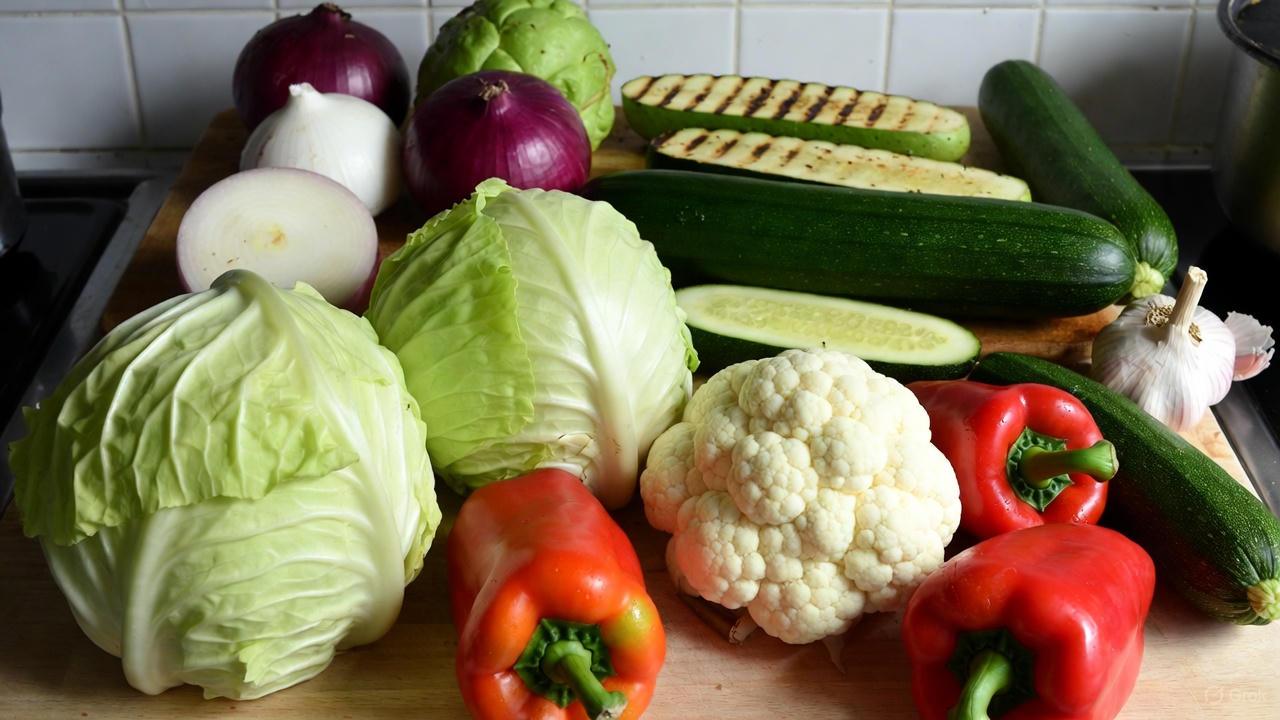
1. Cabbage – The Everyday Kidney Superstar
Cabbage is one of the lowest-potassium cruciferous vegetables you can eat. A half-cup of cooked cabbage has only about 150 mg potassium and 10 mg phosphorus.
Research from the National Kidney Foundation highlights cabbage for its high fiber and vitamin C content, plus sulfur compounds that act as natural detox supporters. Try it raw in salads, lightly steamed, or fermented as sauerkraut (in moderation).
2. Cauliflower – The Low-Carb Hero
With just 88 mg potassium in a ½-cup cooked serving, cauliflower is a favorite among renal dietitians.
It’s loaded with vitamin C, folate, and fiber, plus a unique compound called sulforaphane that studies (including one in Oxidative Medicine and Cellular Longevity) link to reduced oxidative stress — something the kidneys really appreciate.
Mash it, rice it, roast it — the options are endless.
3. Red Bell Peppers – Antioxidant Powerhouses
One of the few vegetables that stay low in potassium even when eaten raw (only 156 mg in half a medium pepper).
Red bell peppers are one of the richest sources of vitamin C and vitamin A — both powerful antioxidants. A 2017 study in Nephrology Dialysis Transplantation noted that higher dietary antioxidant intake correlates with slower decline in kidney function.
4. Onions – Flavor Without the Worry
Onions add flavor without adding much potassium (about 116 mg per ½ cup cooked).
They contain quercetin, a flavonoid with strong anti-inflammatory effects. Multiple studies, including research in Food & Function journal, show quercetin helps reduce inflammation markers that can stress the kidneys.
5. Cucumber – Nature’s Hydration Helper
With skin on, a half-cup of sliced cucumber has only 76 mg potassium.
Cucumbers are 95% water, making them excellent for gentle hydration — something kidneys love. Their mild diuretic effect comes from natural compounds like cucurbitacins and silica.
Quick tip: Leave the peel on for extra fiber and antioxidants.
6. Garlic – Small Clove, Big Benefits
Just one clove delivers powerful sulfur compounds (allicin) with well-documented anti-inflammatory and blood-pressure-supporting properties.
A 2020 meta-analysis in the journal Nutrients found that regular garlic intake was associated with better cardiovascular markers — important because heart and kidney health go hand in hand.
7. Zucchini – The #1 Surprise Winner
Here’s the one almost everyone overlooks: cooked zucchini has only 130–150 mg potassium per ½ cup, extremely low phosphorus, and almost no protein.
But what makes zucchini truly special is its exceptionally high water content combined with soluble fiber and antioxidants like lutein and zeaxanthin. A study published in the Journal of Medicinal Food showed zucchini extract helped reduce oxidative stress and inflammatory markers in animal models of kidney stress.
Real-world bonus: It’s incredibly versatile — spiralize it, grill it, steam it, or even bake it into bread.
How to Add These Vegetables to Your Day (Simple Action Plan)
- Start breakfast with scrambled eggs + diced bell peppers and onions
- Lunch: Big cabbage or zucchini noodle salad with a light olive-oil lemon dressing
- Dinner: Cauliflower rice stir-fry loaded with garlic, onions, and any of the veggies above
- Snack: Cucumber slices with a sprinkle of pepper or a small portion of homemade oven-roasted zucchini chips
Pro tip: Cook vegetables lightly (steam or sauté) instead of eating large amounts raw — cooking reduces potassium by up to 50–70% through leaching into water.
Quick Comparison Table: Potassium Content (½ cup cooked)
| Vegetable | Potassium (mg) | Phosphorus (mg) |
|---|---|---|
| Cabbage | 150 | 15 |
| Cauliflower | 88 | 20 |
| Red Bell Pepper | ~100 (cooked) | 12 |
| Onion | 116 | 20 |
| Cucumber (peeled) | 80 | 12 |
| Garlic (1 clove) | 12 | 5 |
| Zucchini | 130–150 | 19 |
Final Thoughts
Including more of these seven vegetables in your daily meals is a simple, delicious way to support your body’s natural processes while keeping potassium and phosphorus intake gentle. Small consistent changes often bring the most meaningful results over time.
Remember — food is information for your body. When you give it the right kind, it knows exactly what to do.
Frequently Asked Questions
1. Can eating these vegetables alone lower my creatinine fast?
No single food can “lower creatinine fast,” but regularly choosing kidney-friendly, low-potassium vegetables as part of an overall balanced eating pattern may help support healthier levels over time.
2. How many servings of vegetables should I eat daily for kidney health?
Most renal dietitians suggest 3–5 servings of low-potassium vegetables per day, adjusted to your individual lab results and doctor’s advice.
3. Are these vegetables safe if I’m on dialysis?
Most are considered very safe because of their low potassium and phosphorus, but always check with your renal dietitian — individual needs vary.
Disclaimer: This article is for informational purposes only and is not medical advice. Always consult your healthcare provider or renal dietitian before making dietary changes, especially if you have chronic kidney disease or are on dialysis. Never discontinue or adjust prescribed treatments based on online information.