
Many older adults drift off to sleep each night without realizing that some familiar routines could quietly affect how refreshed they feel the next day. Over time, these patterns might contribute to ongoing tiredness, foggy thinking, or even broader health concerns that build slowly. The good news is that small, mindful adjustments can often make a meaningful difference in nightly rest.
What if a few everyday habits are the hidden culprits behind restless nights? Keep reading to discover seven common ones backed by research, plus practical steps you can try tonight.
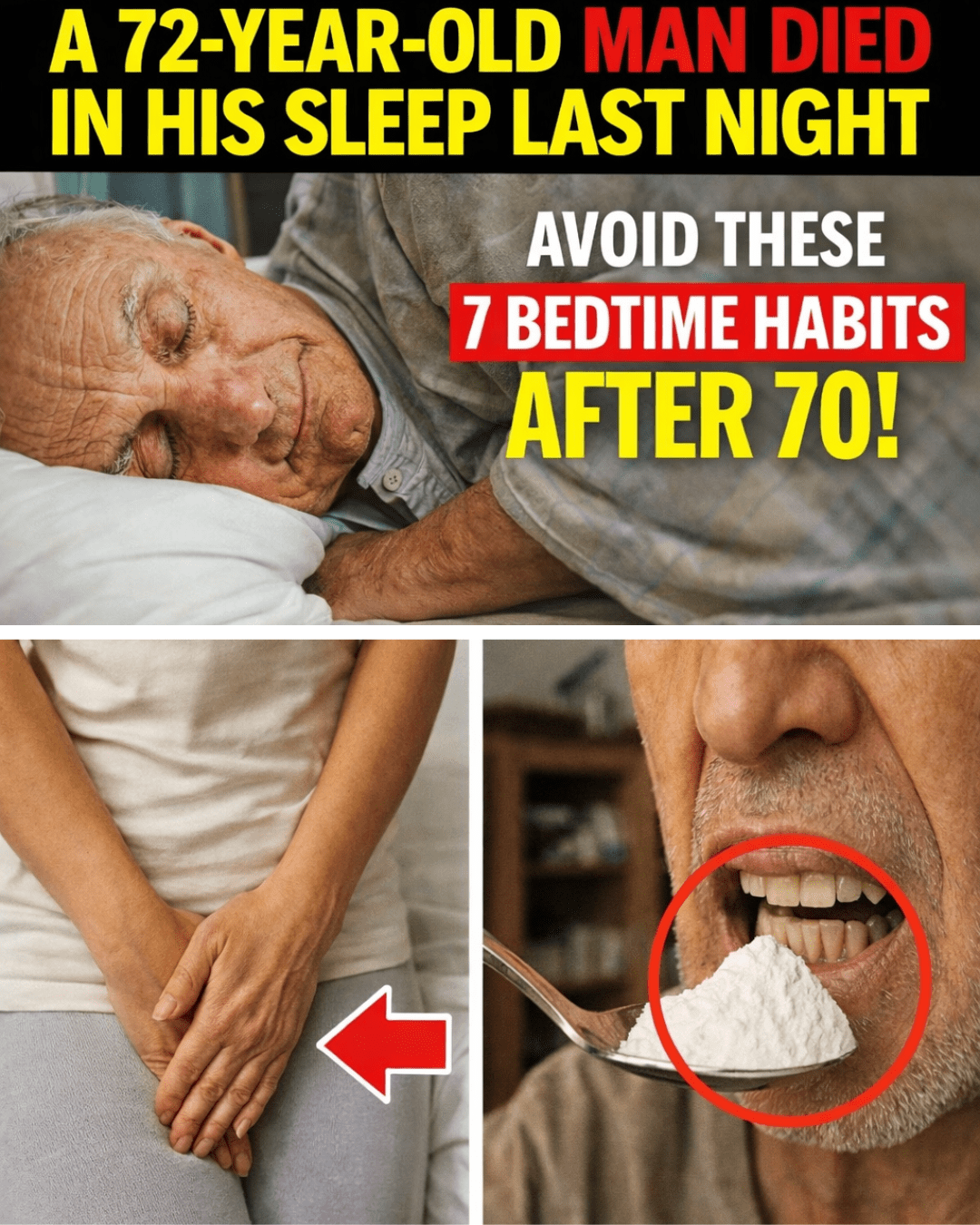
Why Sleep Patterns Change as We Age
As we get older, natural shifts in our body clock and sleep architecture become more noticeable. Deep, restorative sleep stages often shorten, while nighttime awakenings increase. Studies show these changes affect more than half of adults over 65 regularly.
These shifts are normal, but certain habits can amplify the challenges. Research suggests that sleep quality plays an important role in overall well-being and energy levels in later years.
The key is awareness. Let’s explore the habits that studies frequently highlight.
Habit 7: Taking Long Daytime Naps
A quick afternoon doze can feel refreshing, but extended naps lasting more than an hour may disrupt nighttime sleep. Some studies link prolonged daytime napping in seniors to markers of inflammation and lower energy overall.
Many people notice they struggle to fall asleep at bedtime after long naps. Shorter rests, around 20-30 minutes, often work better.
But that’s not all. Nighttime sleep length matters too.
Habit 6: Regularly Sleeping More Than 9 Hours
It seems logical that more sleep equals better rest, yet research consistently shows an association between habitually long sleep durations and various health markers in older adults. People who routinely spend over 9 hours in bed often report feeling less refreshed.
This pattern sometimes signals underlying issues rather than true recovery need. Balancing duration can help.
The opposite extreme brings its own challenges.
Habit 5: Getting Less Than 6 Hours Nightly
Pushing through busy days on minimal sleep is common, but studies indicate short sleep duration correlates with increased cardiovascular strain and fatigue in seniors.
Consistently skimping on rest can leave you feeling drained and less resilient. Most experts suggest aiming for a middle ground.
Irregularity adds another layer.
Habit 4: Inconsistent Bed and Wake Times
Weekend lie-ins or varying schedules feel like catch-up time, but research shows irregular sleep timing can disrupt circadian rhythms more powerfully than duration alone.
Shifting bedtimes by more than an hour day-to-day makes it harder for the body to settle into steady rest. Consistency often brings noticeable improvement.
One issue many overlook involves breathing patterns.

Habit 3: Dismissing Loud Snoring or Breathing Pauses
Heavy snoring is often laughed off, yet when combined with pauses in breathing, it may point to sleep apnea. Studies link untreated sleep apnea in older adults to higher risks of nighttime cardiovascular events.
Partners sometimes notice the stops and restarts more clearly. Paying attention to these signs can prompt helpful conversations with a doctor.
Daytime clues often appear alongside.
Habit 2: Experiencing Frequent Daytime Sleepiness
Nodding off easily during quiet moments, even after a full night, can signal fragmented sleep. Research highlights excessive daytime sleepiness as an independent factor associated with health concerns in seniors.
This pattern sometimes connects to the breathing issues mentioned earlier. Tracking how alert you feel during the day provides valuable insight.
The most foundational aspect ties everything together.
Habit 1: Accepting Frequent Nighttime Awakenings as Normal
Waking multiple times and struggling to return to sleep affects rest quality deeply. Studies show cumulative poor sleep quality associates with reduced vitality and higher inflammation markers over time.
Many seniors assume this is inevitable with age, yet simple routine tweaks often improve continuity.
Here’s a quick comparison of the habits we’ve covered:
| Habit | Common Reason It’s Overlooked | Research Insight |
|---|---|---|
| Long daytime naps | Feels refreshing in the moment | May disrupt nighttime rhythm |
| Over 9 hours nightly | Seen as catching up on rest | Correlates with fatigue markers |
| Under 6 hours nightly | Busy lifestyle demands | Links to cardiovascular strain |
| Irregular schedules | Weekend flexibility | Strong predictor of disruption |
| Loud snoring/pauses | Considered normal aging noise | Associated with apnea risks |
| Daytime sleepiness | Blamed on age alone | Independent health signal |
| Frequent awakenings | Accepted as unavoidable | Impacts overall restoration |
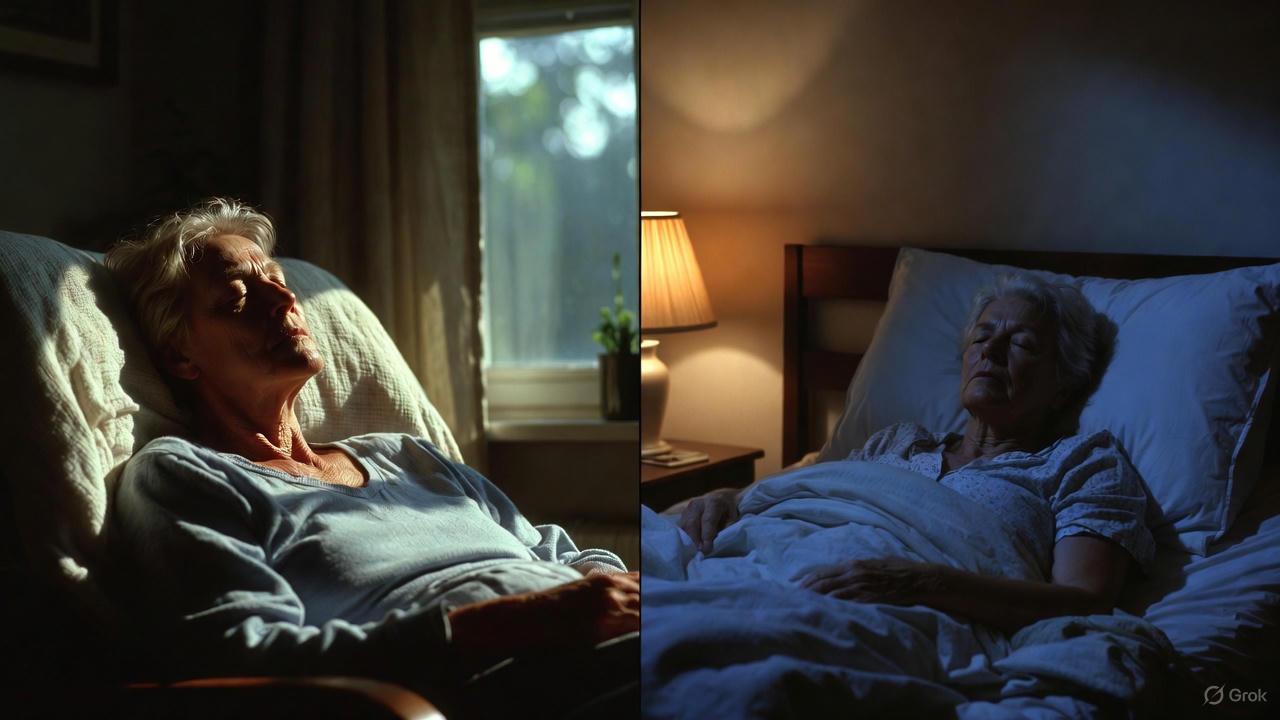
Practical Steps to Support Better Sleep Quality
Small changes can add up significantly. Here are evidence-based adjustments many seniors find helpful:
- Establish consistent bedtime and wake times, even on weekends
- Keep daytime naps short (20-30 minutes) or skip them if nighttime sleep suffers
- Create a wind-down routine: dim lights, reduce screens an hour before bed
- Make the bedroom cool, dark, and quiet
- Avoid heavy meals, caffeine, and alcohol close to bedtime
- Include light physical activity earlier in the day
- Discuss persistent symptoms with your healthcare provider
Start with one or two changes and track how you feel after a week.
Final Thoughts: Small Adjustments, Meaningful Difference
Quality sleep influences daily energy, mood, and resilience more than we often realize. By reconsidering these seven common habits, many older adults notice improved rest and vitality.
You deserve nights that leave you feeling truly refreshed. Choose one habit to adjust this week and see what happens.
Frequently Asked Questions
How many hours of sleep do most seniors actually need?
Research suggests 7-8 hours remains ideal for most adults, including those over 65, though individual needs vary slightly.
Is it normal to wake up during the night as you get older?
Brief awakenings become more common, but frequent or prolonged ones that affect daytime energy warrant attention.
Can better sleep habits really make a difference at any age?
Yes, studies consistently show that improving sleep hygiene supports well-being across adulthood, including later years.
This article is for informational purposes only and is not a substitute for professional medical advice. Always consult your healthcare provider for personalized guidance regarding sleep or health concerns.


