
Many people take overthecounter or prescribed medications regularly to manage pain, infections, heartburn, or other common conditions. What few realize is that some of these familiar drugs can place extra stress on the kidneys over time, especially with frequent or longterm use. The good news is that becoming aware of these possibilities allows you to make informed choices and take practical steps to support your kidney health. Keep reading, because the most helpful insights and everyday protective habits are coming up ahead.
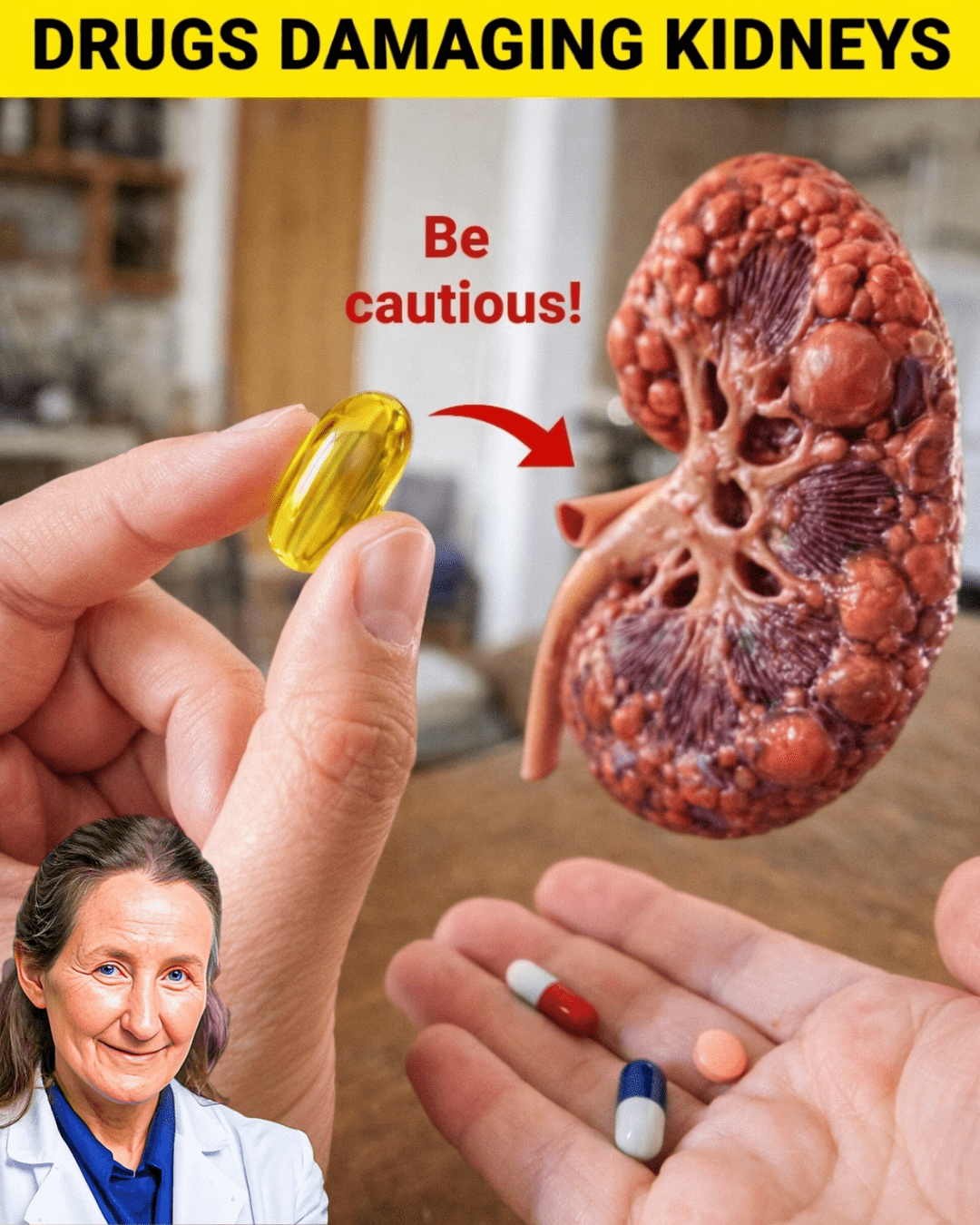
Why Kidney Health Deserves Your Attention
Your kidneys work around the clock to filter waste from your blood, balance fluids, and help regulate blood pressure. When they face ongoing stress, early changes can often go unnoticed until routine tests pick them up.
Research shows that medicationrelated kidney issues contribute to a significant portion of hospital cases involving sudden kidney function changes. Studies estimate that millions of adults live with chronic kidney disease, and many cases remain undiagnosed in early stages. The encouraging part? Simple awareness and small adjustments can make a real difference.
But that’s just the beginning. Let’s look at seven common medication types that research has linked to potential kidney concerns.
1. Nonsteroidal AntiInflammatory Drugs (NSAIDs) Like Ibuprofen and Naproxen
NSAIDs are popular choices for headaches, muscle aches, and arthritis discomfort. They work by reducing inflammation and pain, but they can also temporarily reduce blood flow to the kidneys.
Studies indicate that regular or highdose NSAID use is associated with a higher chance of acute kidney injury, especially in older adults or during dehydration. Research published in major medical journals shows risk can increase significantly in the first weeks of frequent use.
The key is moderation. Shortterm use is generally considered lower risk for most healthy adults.
Here’s a quick comparison of common pain relief options:
| Medication Type | Common Examples | Main Concern for Kidneys | Practical Tip |
|---|---|---|---|
| NSAIDs | Ibuprofen, Naproxen, Aspirin | Reduced kidney blood flow | Use lowest dose for shortest time |
| Acetaminophen | Tylenol | Generally lower kidney risk when used as directed | Preferred alternative for many |
| Topical options | Diclofenac gel | Minimal systemic absorption | Good for localized pain |
2. Certain Antibiotics Used for Bacterial Infections
Antibiotics save lives, but specific classes such as aminoglycosides (like gentamicin) and vancomycin can build up in kidney tissue.
Medical data suggest that 10 to 30 percent of people receiving these particular antibiotics may experience some degree of kidney impact, especially with prolonged courses or higher doses. Doctors often monitor blood levels closely when using them.
Most common infections treated in outpatient settings use safer antibiotic alternatives. Always complete prescribed courses, but feel free to ask your provider if the chosen antibiotic is necessary.
3. Proton Pump Inhibitors (PPIs) for Frequent Heartburn
Medications like omeprazole and pantoprazole effectively reduce stomach acid and help with reflux symptoms. Longterm daily use, however, has been linked in studies to higher chances of kidney inflammation and gradual function decline.
Large population studies have found that prolonged PPI users may face increased risk of chronic kidney issues compared to those who use them shortterm or not at all. Many people successfully step down to lower doses or alternative strategies after discussing with their doctor.
4. ACE Inhibitors Commonly Prescribed for Blood Pressure
Drugs like lisinopril and enalapril are widely used to control high blood pressure and protect heart health. Interestingly, they often help preserve kidney function in people with diabetes or protein in urine.
Yet in situations like dehydration or illness, they can cause a temporary drop in filtration rate. This change is usually reversible when caught early and managed properly. Regular monitoring helps distinguish normal adjustment from concern.
5. Diuretics to Help Reduce Fluid Retention
Loop diuretics such as furosemide and thiazides like hydrochlorothiazide assist with swelling and blood pressure. Their main indirect effect on kidneys comes from potential dehydration or electrolyte shifts if fluid intake isn’t adequate.
Combining diuretics with good hydration habits and routine blood tests keeps most people in a safe zone. Doctors often adjust doses based on lab results.
6. Some Antiviral Medications
Certain antivirals, including highdose acyclovir for herpes infections, can form crystals in kidney tubules if hydration is insufficient. Newer agents used during viral illnesses also warrant close monitoring in hospital settings.
Dose adjustments based on current kidney function are standard practice to minimize risk.
7. Lithium for Mood Stabilization
Lithium remains an important option for bipolar disorder management. Longterm use can affect the kidneys’ ability to concentrate urine and, in some cases, lead to gradual function changes.
Up to 20 to 40 percent of longterm users develop increased thirst and urination. Annual kidney function tests and using the lowest effective dose help manage this.
Practical Everyday Steps to Support Your Kidney Health
You don’t need complicated routines. Here are simple, evidencebased habits anyone can start today:
Stay well hydrated with plain water throughout the day (aim for clear or pale urine as a quick check).
Share your complete medication and supplement list with your healthcare provider at every visit.
Ask about kidney function tests during routine bloodwork, especially if you take any of the medications mentioned.
Use medications only as directed and for the shortest duration needed.
Eat a balanced diet rich in fruits, vegetables, and whole grains while keeping sodium moderate.
Maintain regular gentle physical activity, such as daily walking.
Consider acetaminophen instead of NSAIDs for occasional pain when appropriate.
Schedule followup labs if your doctor recommends monitoring.
These small consistent actions add up to meaningful protection over time.
Quick Comparison of Risk Management Strategies
| Situation | Recommended Action | Why It Helps |
|---|---|---|
| Starting a new medication | Request baseline kidney blood tests | Provides reference point |
| Feeling dehydrated or ill | Increase fluids, contact provider if on certain meds | Prevents temporary function drops |
| Longterm daily medication | Discuss periodic monitoring schedule | Catches changes early |
| Frequent pain episodes | Explore nonmedication options like physical therapy | Reduces overall medication exposure |
Final Thoughts
Understanding how common medications might affect kidney health empowers you to have better conversations with your healthcare team. Most risks are manageable through awareness, proper use, and routine checkups. Small daily habits like staying hydrated and communicating openly make a lasting difference.
Frequently Asked Questions
Which everyday pain reliever is generally easier on the kidneys?
Acetaminophen (Tylenol) is often recommended as a first choice for occasional pain when used as directed, though it has its own liver considerations at high doses.
How often should kidney function be checked if taking these medications?
Many doctors suggest annual tests for longterm users, or more frequently based on individual risk factors. Always follow your provider’s guidance.
Can lifestyle changes reduce the need for some of these medications?
Yes, maintaining a healthy weight, balanced diet, regular movement, and blood pressure control can sometimes lower medication requirements over time.
This article is for general informational purposes only and is not a substitute for professional medical advice. Always consult your healthcare provider about your medications and personal health concerns.


