
Many people add chia seeds to their diets hoping to support better digestion, steady energy, and overall nutrition. Yet, quite a few notice little difference or even feel uncomfortable afterward. The good news is that small adjustments in how you prepare and consume them can make a big difference. Keep reading to discover seven common habits that might be holding you back and simple ways to get more from this popular seed.

Why Do Some People Feel Uncomfortable After Adding Chia Seeds?
Chia seeds are packed with fiber, omega-3 fatty acids, and protein, which is why they’ve become a staple in many kitchens. However, introducing them suddenly or preparing them incorrectly can lead to bloating, gas, or sluggishness. Research shows that a large percentage of adults experience digestive discomfort when they increase fiber intake too quickly. The key lies in understanding how these tiny seeds interact with your body and making a few mindful changes. By the end of this guide, you’ll have practical steps to enjoy them comfortably.
Mistake 1: Eating Chia Seeds Dry
One of the most frequent habits is sprinkling dry chia seeds straight onto yogurt, salads, or oatmeal. While convenient, this can cause issues because the seeds absorb liquid rapidly once inside your digestive tract.
Studies in food science journals indicate that dry seeds expand significantly in the intestines, which may lead to temporary bloating for some people. A better approach is to soak them first.
How to fix it:
- Mix 1 tablespoon of chia seeds with ½ cup of water, milk, or plant-based milk.
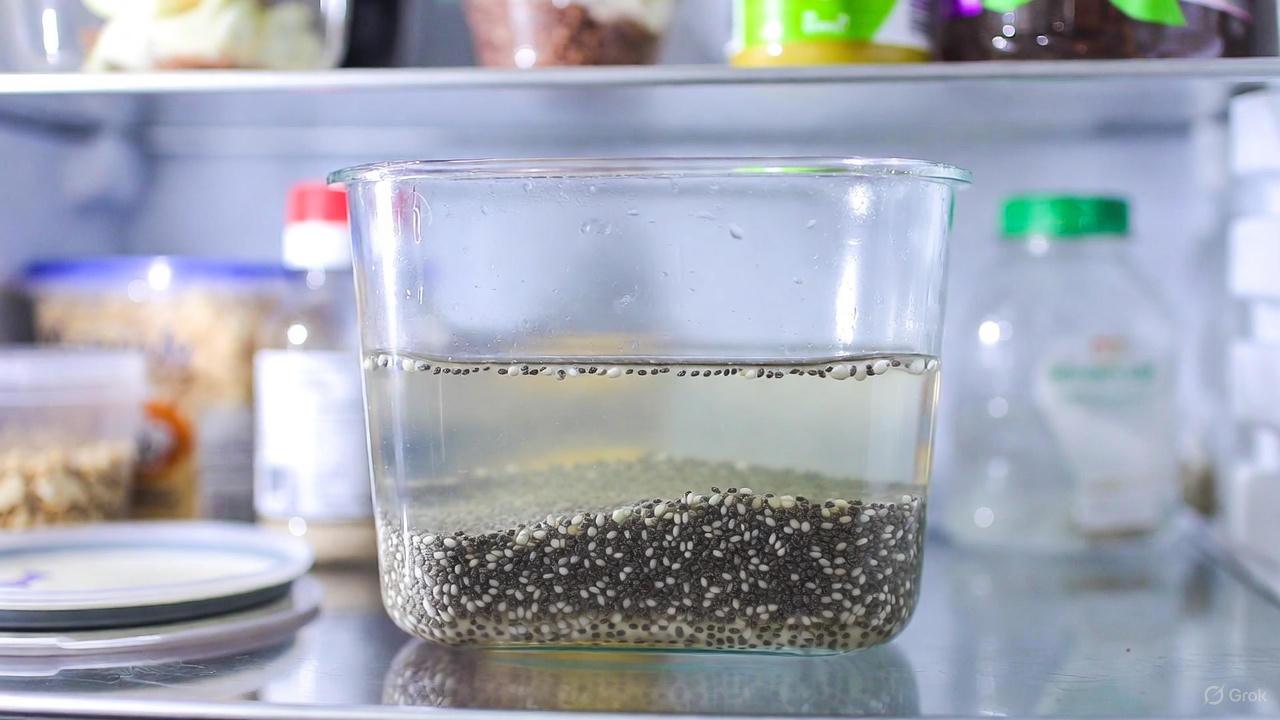
- Let it sit for at least 10–15 minutes (or overnight in the fridge).
- The result is a gel-like texture that’s gentler on digestion.
This simple step helps most people feel much more comfortable.

Mistake 2: Consuming Too Much Too Soon
It’s easy to think “more is better” with a nutritious food like chia seeds. One ounce (about 2 tablespoons) provides around 11 grams of fiber nearly half the daily recommended amount for adults.
Suddenly doubling or tripling that portion can overwhelm the digestive system. Research published in Nutrients journal notes that rapid increases in fiber intake often lead to gas or cramping until the body adjusts.
How to fix it:
- Start with 1 teaspoon per day if you’re new to chia seeds.
- Gradually increase to 1–2 tablespoons over a couple of weeks.
- Listen to your body and adjust accordingly.
Patience here pays off with smoother digestion.
Mistake 3: Heating Chia Seeds at High Temperatures
Many recipes call for baking or cooking chia seeds into muffins, breads, or energy bars. While tasty, high heat can reduce the quality of the delicate omega-3 fatty acids (ALA) they contain.
A study in Food Chemistry found that temperatures above 120°F (approximately 50°C) significantly degrade these beneficial fats.
How to fix it:
- Add chia seeds after cooking or baking is complete.
- Use them raw in smoothies, overnight puddings, or as a topping.
- If you enjoy baked goods, sprinkle them on top toward the end.
This keeps more of the natural nutrients intact.
Mistake 4: Storing Them Improperly
Chia seeds contain healthy fats that can oxidize when exposed to light, air, or warmth. Leaving them in a clear jar on the counter or in a warm pantry speeds up this process.
Research shows that improper storage can reduce nutrient quality within weeks.
How to fix it:
- Transfer seeds to an airtight container.
- Store in the refrigerator or freezer.
- They stay fresh for up to two years this way.
A small storage change helps preserve their value longer.
Mistake 5: Not Drinking Enough Water
Fiber needs water to move smoothly through the digestive system. When you eat chia seeds without extra hydration, they can draw moisture from your intestines instead.
This sometimes leads to a heavy or sluggish feeling.
How to fix it:
- Aim for at least 8–10 ounces of water per tablespoon of chia seeds.
- Keep a water bottle handy throughout the day.
- Herbal teas or infused water count too.
Staying hydrated makes everything work better.
Mistake 6: Relying Only on Chia Seeds for Omega-3s
Chia seeds are a plant-based source of ALA omega-3s, but the body converts ALA to the more active forms (EPA and DHA) at a low rate typically 5–10% for most adults.
Depending solely on chia for omega-3 needs may limit benefits.
How to fix it:
- Include a variety of sources like walnuts, flaxseeds, or algae oil.
- Occasionally enjoy fatty fish if it fits your diet.
- A combined approach supports broader nutrition.
Variety often brings better results.
Mistake 7: Expecting Chia Seeds to Do All the Work
No single food can transform health on its own. Adding chia seeds to an otherwise unbalanced diet usually yields limited results.
They work best as part of an overall pattern of whole foods, vegetables, fruits, and balanced meals.
How to fix it:
- Focus on gradual, sustainable habits.
- Pair chia seeds with colorful produce and lean proteins.
- View them as a helpful addition, not a complete solution.
Consistency across your plate matters most.
Simple 4-Week Plan to Incorporate Chia Seeds Comfortably
Here’s an easy progression to build the habit without discomfort:
- Week 1: 1 teaspoon soaked overnight in ½ cup liquid, plus 16 extra ounces of water daily.
- Week 2: Increase to 1 tablespoon, divided between morning and afternoon.
- Week 3: Try 1½ tablespoons, experimenting with flavors like berries or cinnamon.
- Week 4: Settle at 1–2 tablespoons that feels right for you.
Adjust based on how you feel this is just a starting point.
Quick Comparison: Common Habits vs. Adjusted Habits
| Common Approach | Possible Outcome | Adjusted Approach | Typical Experience |
|---|---|---|---|
| Sprinkle dry seeds | Temporary bloating | Pre-soak into gel | Easier digestion |
| Start with large portions | Gas or cramping | Gradual increase | Smooth adjustment |
| Bake at high heat | Reduced nutrient quality | Add after cooking | Better retention |
| Room-temperature storage | Faster oxidation | Fridge or freezer | Longer freshness |
| Minimal extra water | Sluggish feeling | Plenty of hydration | Comfortable regularity |
| Only chia for omega-3s | Limited conversion | Varied sources | Broader support |
| Expect standalone results | Little noticeable change | Part of balanced meals | Sustainable progress |
Final Thoughts
Small tweaks in preparation, portion size, storage, and hydration can help you enjoy chia seeds without the common pitfalls. Start with one or two changes that resonate most, and build from there. Over time, these adjustments often lead to feeling more energized and comfortable day to day.
Frequently Asked Questions
How long should I soak chia seeds?
At least 10–15 minutes is enough for a basic gel, but overnight in the fridge gives the best texture and digestibility.
Can I eat chia seeds every day?
Yes, most adults do well with 1–2 tablespoons daily once adjusted. Start small and increase slowly.
Are there any side effects to watch for?
Some people experience temporary bloating when first adding more fiber. Drinking plenty of water and starting gradually usually resolves this.
Disclaimer: This article is for general informational purposes only and is not intended as medical advice. Please consult your healthcare provider before making significant changes to your diet, especially if you have existing digestive conditions or take medications.


