You love adding chia seeds to your smoothies, overnight oats, or yogurt because you’ve heard they’re a superfood packed with omega-3s, fiber, and protein. Yet somehow you’re still bloated, constipated, or not seeing any of the benefits everyone talks about. The frustrating part? It’s usually not the chia seeds themselves — it’s the small but critical ways most people prepare and eat them. Keep reading, because the #1 mistake (the one almost nobody talks about) can turn this healthy food into something that actually works against you.

Why Chia Seeds Can Backfire If You’re Not Careful
Chia seeds can absorb up to 12 times their weight in water. That’s amazing for hydration and satiety — when done right. But when done wrong, that same property can cause digestive discomfort, nutrient issues, or even mild inflammation for some people. Research published in the Journal of Food Science and Technology shows that preparation method dramatically affects how the body digests and absorbs the nutrients in chia. Let’s fix the seven most common mistakes.
Mistake #1: Eating Them Completely Dry or Raw in Large Amounts
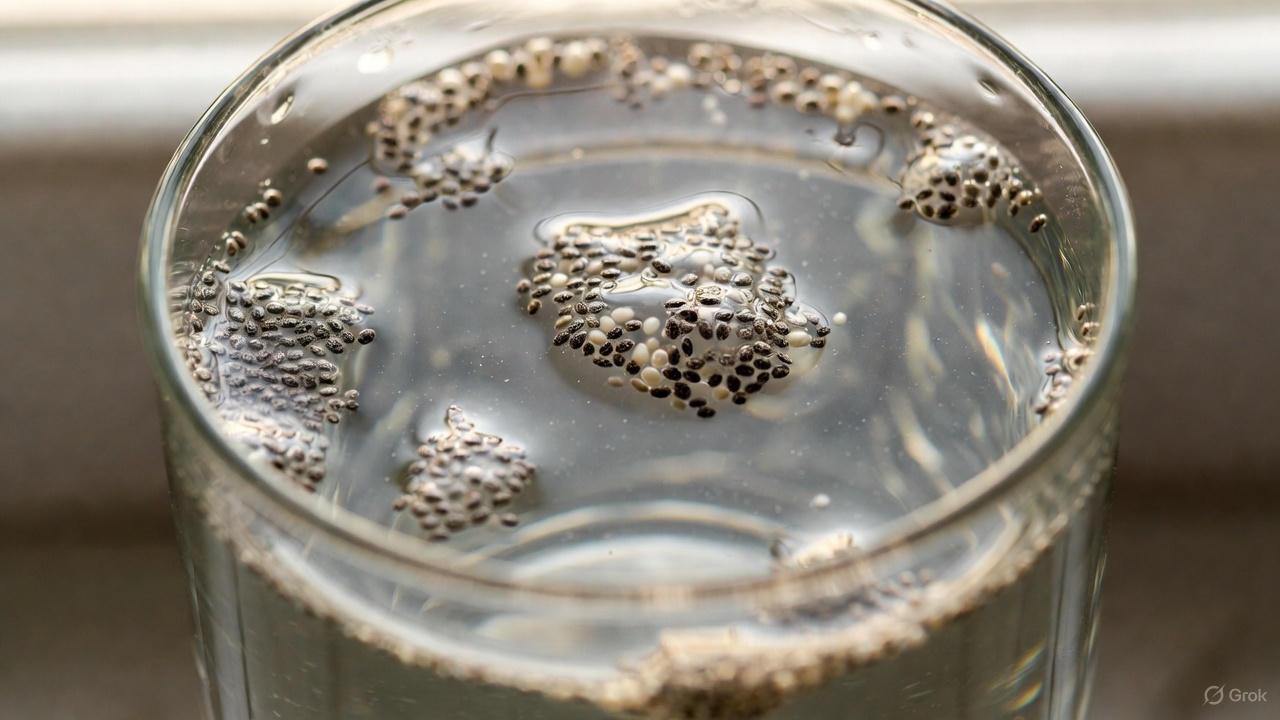
Swallowing dry chia seeds (or sprinkling a big spoonful straight into your mouth or onto food) is the fastest way to invite trouble. They start expanding in your esophagus or stomach before they reach the intestines. This can create a thick, gel-like mass that’s hard to move.
How to fix it:
- Always pre-soak or at least mix with plenty of liquid for 10–15 minutes before eating.
- Start with no more than 1 tablespoon (15 g) per serving if you’re new to them.
Mistake #2: Not Drinking Enough Water Throughout the Day
Even if you soak them, many people forget that chia seeds keep pulling water from your body all day long. A 2019 study in Nutrients noted that inadequate fluid intake with high-fiber foods like chia can worsen constipation instead of relieving it.
Simple rule: For every tablespoon of chia seeds, drink an extra 300–400 ml of water that day.
Mistake #3: Soaking Them for Too Long (More Than 24 Hours)
Leaving chia pudding in the fridge for 3–5 days sounds convenient, but after 24–48 hours the seeds can start to ferment slightly and develop off-flavors or even mild bacterial growth.
Best practice:
- Make only what you’ll eat in 1–2 days.
- Store in an airtight container in the fridge and smell before eating.
Mistake #4: Grinding Them Without Knowing This Trick
Grinding chia seeds increases omega-3 absorption (according to a study in the European Journal of Clinical Nutrition), but ground chia oxidizes very quickly and can go rancid within days.
What actually works:
- Grind small batches fresh every 3–4 days.
- Store ground chia in the freezer in an opaque container.
Mistake #5: Adding Them to Hot Foods Too Early
Pouring chia seeds directly into boiling oatmeal or soup makes the outer layer break down too fast, destroying some heat-sensitive omega-3s and creating a slimy texture most people hate.
Better method:
- Cook your dish first, let it cool for 3–5 minutes, then stir in the chia and let it sit.
Mistake #6: Eating Too Much Too Fast (The 50 g Myth)
Social media loves showing giant 40–50 g servings, but the average person only needs 15–25 g (1–2 tablespoons) per day to get the researched benefits. More than that often leads to gas, bloating, and loose stools.
Safe progression:
- Week 1: 1 teaspoon daily
- Week 2: 2 teaspoons daily
- Week 3+: 1–2 tablespoons daily
Mistake #7: Ignoring the Phytic Acid Factor (The Hidden One)
Chia seeds contain phytic acid, an “anti-nutrient” that can bind to minerals like zinc, iron, and calcium — reducing absorption. This is rarely a problem in balanced diets, but if you eat chia every single day in large amounts and have low mineral intake, it can add up.
Easy ways to minimize it:
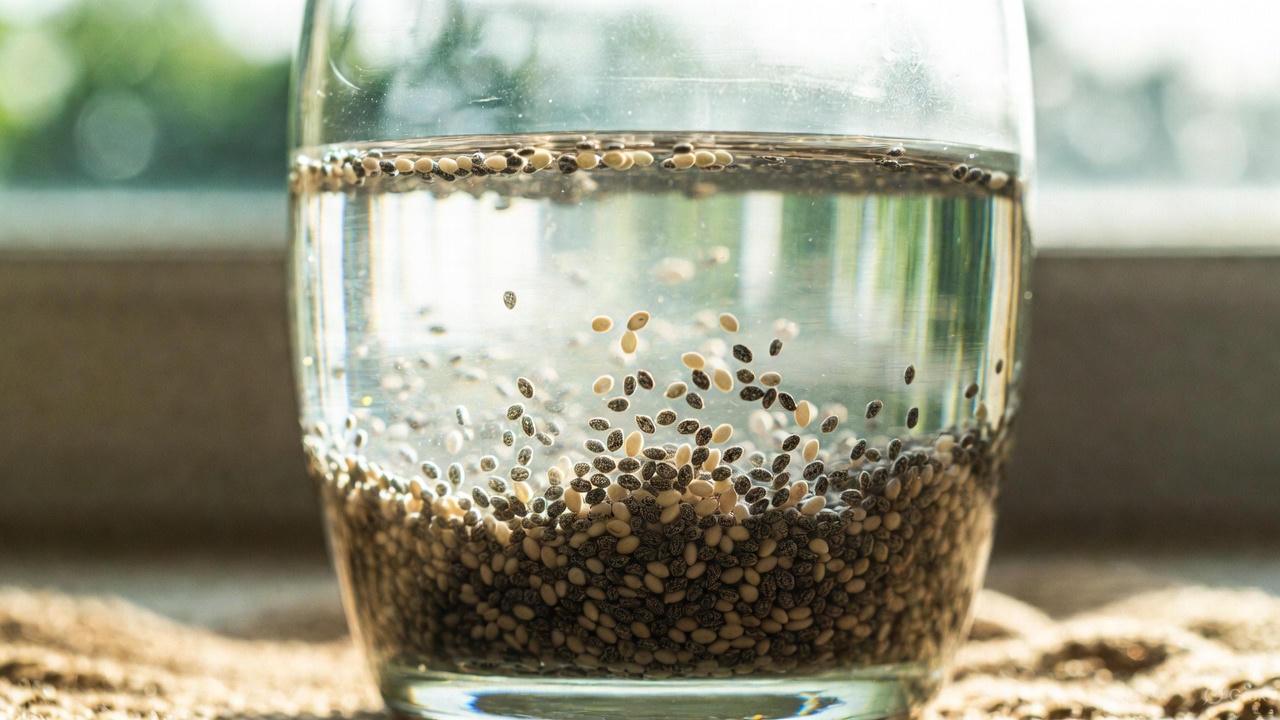
- Soak in warm water with a splash of lemon juice or apple cider vinegar for 2–8 hours (the acidity helps break down phytic acid).
- Pair chia with vitamin-C-rich fruits (strawberries, kiwi, orange) to boost non-heme iron absorption.
Quick Reference: Best Ways to Prepare Chia Seeds
| Method | Time Needed | Texture | Best For | Mineral Absorption |
|---|---|---|---|---|
| Basic soak (water) | 10–15 min | Soft gel | Smoothies, yogurt | Good |
| Lemon soak | 2–8 hours | Very soft | Overnight oats | Better |
| Freshly ground | Instant | Powdery | Baking, shakes | Best |
| Chia “egg” (1 tbsp + 3 tbsp water) | 10 min | Egg-like | Vegan baking | Good |
Bonus Tip Most Blogs Never Mention
Toast chia seeds lightly (2–3 minutes in a dry pan over medium heat) before grinding or soaking. Toasting reduces phytic acid by up to 40 % (according to a study in Food Chemistry) and gives a pleasant nutty flavor.
You now know exactly how to avoid the pitfalls that make chia seeds work against you instead of for you. Start with one change today — maybe the lemon-soak trick — and notice how much better your digestion and energy feel within a week.
Frequently Asked Questions
Q: Can I eat chia seeds every day? A: Yes, 1–2 tablespoons daily is considered safe and beneficial for most healthy adults.
Q: Do chia seeds help with weight loss? A: They can support satiety and hydration when part of a balanced diet and active lifestyle, but they are not a magic solution on their own.
Q: Are chia seeds safe during pregnancy? A: Generally yes in moderate amounts, but always check with your obstetrician first.
**Disclaimer: This article is for informational purposes only and is not medical advice. Please consult your healthcare provider or a registered dietitian before making significant changes to your diet, especially if you have digestive conditions, take medications, or are pregnant.