
Many people turn to garlic as a simple addition to their meals, appreciating its bold flavor and the ways it might support overall wellness, yet certain habits can unintentionally diminish its value. This can leave you feeling like your efforts aren’t paying off as much as they could, especially when small oversights lead to less optimal results over time. The good news is that with a few easy tweaks, you can better integrate garlic into your routine. But there’s one unexpected error lurking at the end of this list that could change how you view this kitchen staple forever—keep reading to uncover it.
Understanding Garlic’s Role in Your Diet
Garlic has been a part of human diets for thousands of years, originating from Central Asia and now used worldwide. It’s not just about taste; studies suggest compounds in garlic, like allicin, may contribute to various aspects of health when consumed as part of a balanced diet.
But here’s the thing: how you prepare and eat it matters a lot.
Research from institutions like the National Institutes of Health indicates that allicin forms when garlic is crushed or chopped, but certain actions can break it down quickly. This is why avoiding common pitfalls is key.
Let’s dive into the first mistake.
Mistake 1: Storing Garlic in the Refrigerator
You might think the fridge keeps everything fresh, but for garlic, it can do more harm than good.
Cold temperatures encourage sprouting and can make bulbs soft or moldy. Instead, store whole garlic bulbs in a cool, dry place like a pantry, away from moisture.
A simple tip: Use a mesh bag or clay pot for airflow. This keeps garlic usable for months.
Studies show proper storage preserves its natural compounds better.
But that’s not all—let’s look at what happens when garlic turns green.
Mistake 2: Throwing Away Garlic That Turns Green
Seeing green hues in your garlic might alarm you, but it’s often harmless.
This color comes from a reaction between sulfur compounds and amino acids, especially in pickled or cooked garlic. It’s safe to eat and doesn’t indicate spoilage.
Next time, slice it up and use it as usual. Research from food science journals confirms this green pigment isn’t toxic.
Here’s a quick list of when to actually discard garlic:
- If it’s mushy or has black spots.
- Strong, off-putting odor beyond the usual pungency.
- Visible mold growth.
Moving on, there’s a habit many cooks fall into without thinking.
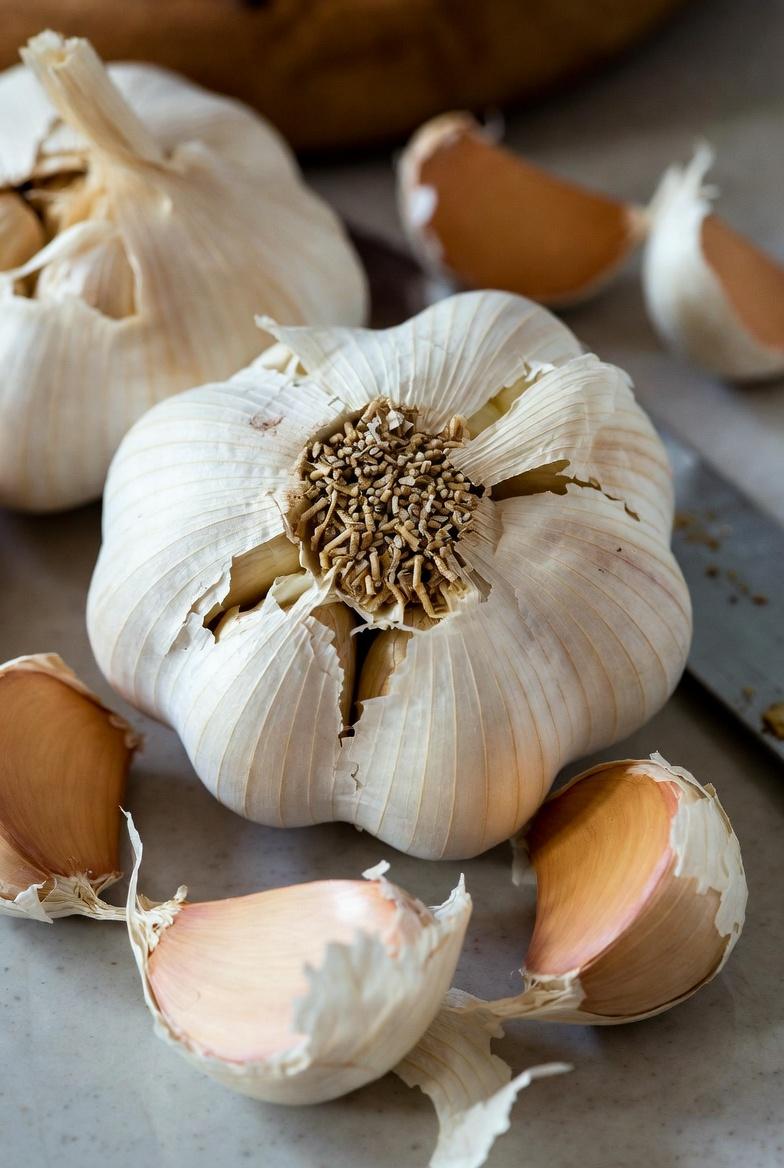
Mistake 3: Always Mincing Garlic for Every Dish
Mincing releases allicin’s potent aroma, but not every recipe needs it.
For soups or roasts, whole cloves infuse flavor gently without overpowering. Over-mincing can lead to bitterness if cooked too long.
Try this step-by-step:
- Peel the clove lightly.
- Smash it with a knife for mild release.
- Add whole to simmering dishes.
This preserves more of garlic’s essence, as per culinary experts.
Sustainability note: Using whole cloves reduces waste too.
And speaking of the inside of the clove…
Mistake 4: Not Removing the Garlic Sprout
That green shoot in the center? It’s the sprout, and it can make garlic taste sharper or more bitter.
Removing it is easy—slice the clove lengthwise and pull it out. This is especially useful for raw preparations.
But why does it matter? The sprout contains more isoallin, which can intensify flavors unpleasantly.
A pro tip: For cooked dishes, it’s less noticeable, but for salads, always de-sprout.
Research in agricultural studies highlights how sprouts affect taste profiles.
Now, let’s talk about convenience products.
Mistake 5: Relying on Pre-Minced Garlic from Jars
Jarred garlic seems handy, but it often loses freshness and potency during processing.
Preservatives like citric acid can alter the taste, and the allicin content diminishes over time.
Opt for fresh bulbs instead. Mince what you need right before use.
Compare in this table:
| Aspect | Fresh Garlic | Jarred Garlic |
|---|---|---|
| Flavor | Bold, natural | Muted, sometimes sour |
| Compound Retention | High allicin levels | Reduced due to processing |
| Shelf Life | Weeks in pantry | Months, but quality drops |
| Cost | Generally cheaper per use | Convenient but pricier long-term |
Switching to fresh can elevate your meals significantly.
But the real issue arises with heat.

Mistake 6: Overcooking Garlic
High heat for too long destroys beneficial compounds like allicin, which breaks down quickly above certain temperatures.
Add garlic late in cooking or use low heat to sauté briefly.
Here’s how to do it right:
- Chop and let sit for 10-15 minutes to activate allicin.
- Stir into dishes in the last few minutes.
- For raw benefits, mix into dressings or dips.
Food chemistry research emphasizes that brief exposure maximizes retention.
This leads us to quantity control.
Mistake 7: Eating Too Much Garlic, Especially Raw
While garlic offers flavor, consuming large amounts raw can irritate the digestive system.
Symptoms might include discomfort or bloating, as garlic’s sulfur compounds stimulate the gut lining.
Start small: One clove per day, cooked or raw, and monitor how your body responds.
The truth is, moderation is key—studies from health organizations like the World Health Organization suggest 2-5 grams daily (about one clove) for general use.
But wait, there’s more: Combining raw garlic on an empty stomach amplifies this, which ties into broader habits.
One bonus insight: If you’re on medications like blood thinners, consult a professional, as garlic might interact.
Making Garlic Work for You: Practical Tips
To integrate garlic smoothly, start with these actionable steps.
First, buy fresh: Look for firm bulbs without sprouts.
Second, experiment: Add to stir-fries, soups, or even honey for a fermented twist.
Third, track effects: Note how different preparations feel in your routine.
Bucket brigade: And here’s the interesting part—pairing garlic with vitamin C-rich foods might enhance absorption, per some nutritional studies.
Keep it varied to avoid boredom.
Why These Mistakes Matter in the Long Run
Avoiding these errors helps you enjoy garlic’s full potential without drawbacks.
Over time, consistent small changes build better habits.
Remember, diet is personal—listen to your body.
Frequently Asked Questions
What is the best way to prepare garlic for maximum benefits?
Chop or crush it and let it sit for 10-15 minutes before cooking or eating raw. This allows allicin to form, as supported by biochemical research.
Can garlic interact with medications?
Yes, it might affect blood clotting or interact with certain drugs. Always check with a healthcare provider if you’re on medication.
How much garlic is safe to eat daily?
Generally, one to two cloves per day is considered moderate for most people, but individual tolerance varies.
In summary, garlic can be a flavorful ally in your kitchen when handled thoughtfully. By sidestepping these seven mistakes, you’ll likely find it easier to include in your meals.
Disclaimer: This article is for informational purposes only and not intended as medical advice. Consult a healthcare professional for personalized guidance.


