Many men experience occasional urinary discomfort as they age, such as frequent trips to the bathroom or a weaker stream. These changes can disrupt daily life, from work to sleep and everything in between. You’re far from alone—millions of men notice similar shifts over time. The frustrating part? It often feels like something you just have to accept.
But here’s the thing: emerging research points to everyday fruits packed with natural compounds that may help promote healthier urinary function and ease discomfort. And by the end of this article, you’ll discover one underrated tropical favorite that’s catching researchers’ attention more than ever—keep reading to find out why.

Why Diet Matters for Prostate and Urinary Comfort
As men get older, the prostate naturally changes, sometimes leading to bothersome urinary symptoms. While these are common, certain nutrients in fruits—like antioxidants and plant compounds—show promise in studies for supporting overall prostate wellness and smoother urinary flow.
Research, including large observational studies, suggests that diets rich in fruits may play a role in maintaining comfort. For instance, higher intake of antioxidant-rich produce has been linked to better urinary health in men. But that’s just the start…
7 Fruits Backed by Research for Potential Prostate Support
Let’s dive into seven fruits that studies highlight for their beneficial compounds.
7. Avocado – A Creamy Source of Plant Sterols
Avocados are more than just a trendy toast topper. They’re loaded with beta-sitosterol, a plant compound reviewed in studies for helping improve urinary flow and reduce symptoms in men with mild to moderate discomfort.
Research, including a Cochrane review, indicates beta-sitosterol may support better urine flow measures. Enjoy half an avocado in salads or smoothies—its healthy fats make it satisfying and easy to add daily.
6. Tomatoes – Packed with Lycopene Power
Tomatoes shine thanks to lycopene, an antioxidant more bioavailable when cooked. Multiple studies, including prospective research, link higher tomato intake to potential benefits for prostate health.
One large cohort study found frequent consumption of tomato products associated with positive urinary outcomes. Try cooked tomatoes in sauces or soups for maximum absorption.
5. Watermelon – Hydration Plus Citrulline
This refreshing summer staple provides lycopene and citrulline, an amino acid that supports healthy blood flow. Staying hydrated is key for urinary comfort, and watermelon’s high water content helps dilute urine.
While direct prostate studies are limited, its nutrients align with those researched for vascular and urinary support. Slice it fresh or blend into drinks.
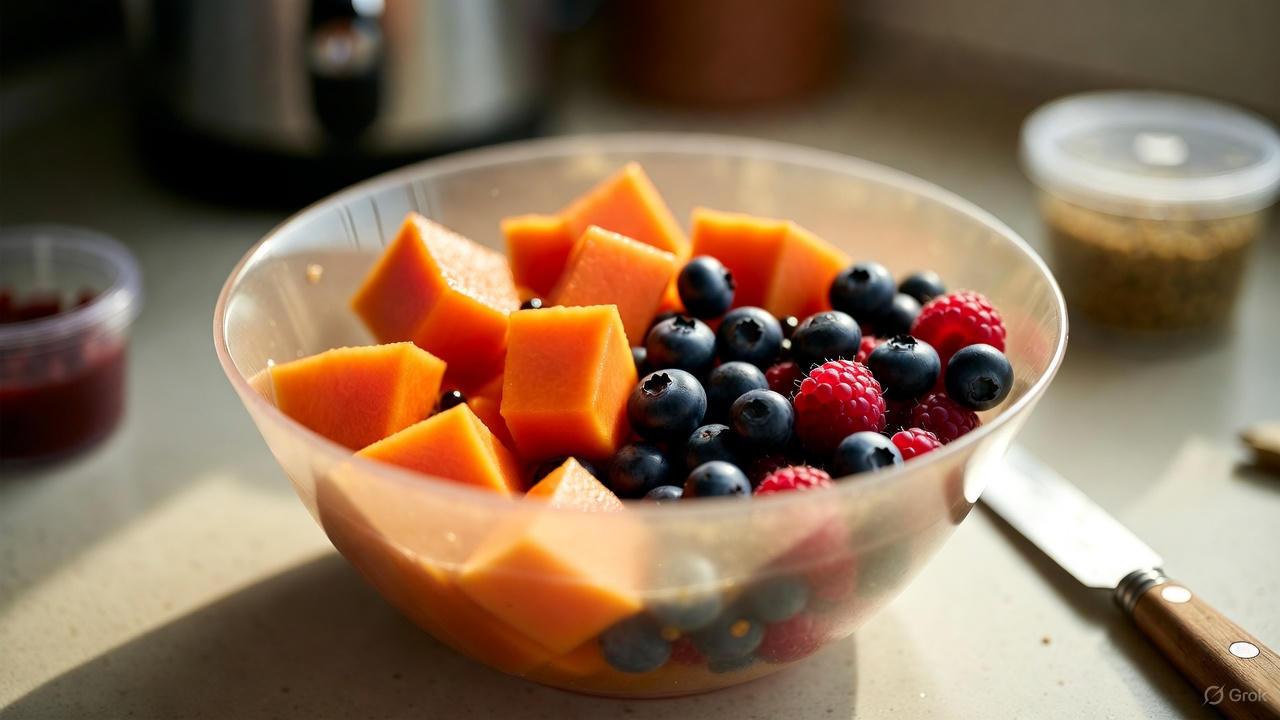
4. Berries – Antioxidant Powerhouses
Blueberries, strawberries, raspberries, and more overflow with flavonoids and vitamin C. A long-term Harvard study of thousands of men suggested higher intake of flavonoid-rich fruits correlated with fewer lower urinary tract issues.
These tiny fruits combat oxidative stress—a factor in aging-related changes. Grab a handful as a snack or mix into yogurt.
Here’s a quick look at berry benefits:
- High in anthocyanins: Support overall cellular health
- Vitamin C boost: Aids immune function
- Low calorie: Easy to enjoy daily
3. Citrus Fruits – Vitamin C and Flavonoid Support
Oranges, grapefruits, lemons, and limes deliver a zesty dose of vitamin C and flavonoids. Observational data points to diets high in fruits and veggies, including citrus, potentially aiding urinary comfort.
Vitamin C acts as an antioxidant, while compounds like hesperidin show early promise in lab research for calming inflammation. Start your day with fresh-squeezed lemon water.
2. Pomegranate – Rich in Unique Antioxidants
Pomegranate arils and juice contain punicalagins—potent compounds studied extensively in preclinical and clinical trials. Research, including phase II studies, explored pomegranate’s effects on PSA levels and prostate cell health.
Men in trials reported positive changes with daily intake. Opt for pure juice or fresh seeds.
1. Papaya – The Tropical Standout Gaining Attention
Papaya tops the list for its unique enzyme papain, plus high levels of lycopene, beta-carotene, and vitamin C. Emerging studies on papaya leaf extracts suggest anti-inflammatory effects in prostate models, while the fruit itself provides digestive and antioxidant support.
Pilot research in animal models highlights its potential for reducing prostate-related inflammation. Ripe papaya is sweet, easy to digest, and versatile in smoothies or fresh.
Why papaya stands out:
- Rare enzyme papain: Gently supports digestion and inflammation balance
- Carotenoid combo: Lycopene and beta-carotene in one package
- Gentle on the stomach: Ideal for daily enjoyment
Quick Comparison of Key Compounds in These Fruits
| Fruit | Key Compounds | Best Way to Enjoy | Approx. Lycopene per 100g |
|---|---|---|---|
| Tomato | Lycopene | Cooked sauce or soup | 3–9 mg |
| Watermelon | Lycopene + Citrulline | Fresh slices | 4.5 mg |
| Pomegranate | Punicalagins | Pure juice or fresh arils | Trace |
| Papaya | Papain + Lycopene + Beta-carotene | Ripe cubes or smoothie | 1.8–3 mg |
| Berries | Anthocyanins + Vitamin C | Fresh or frozen | Minimal |
| Citrus | Vitamin C + Flavonoids | Fresh or juiced | Minimal |
| Avocado | Beta-sitosterol | Sliced in meals | None |
Simple Ways to Incorporate These Fruits Daily
Making changes doesn’t have to be complicated. Here are actionable ideas:
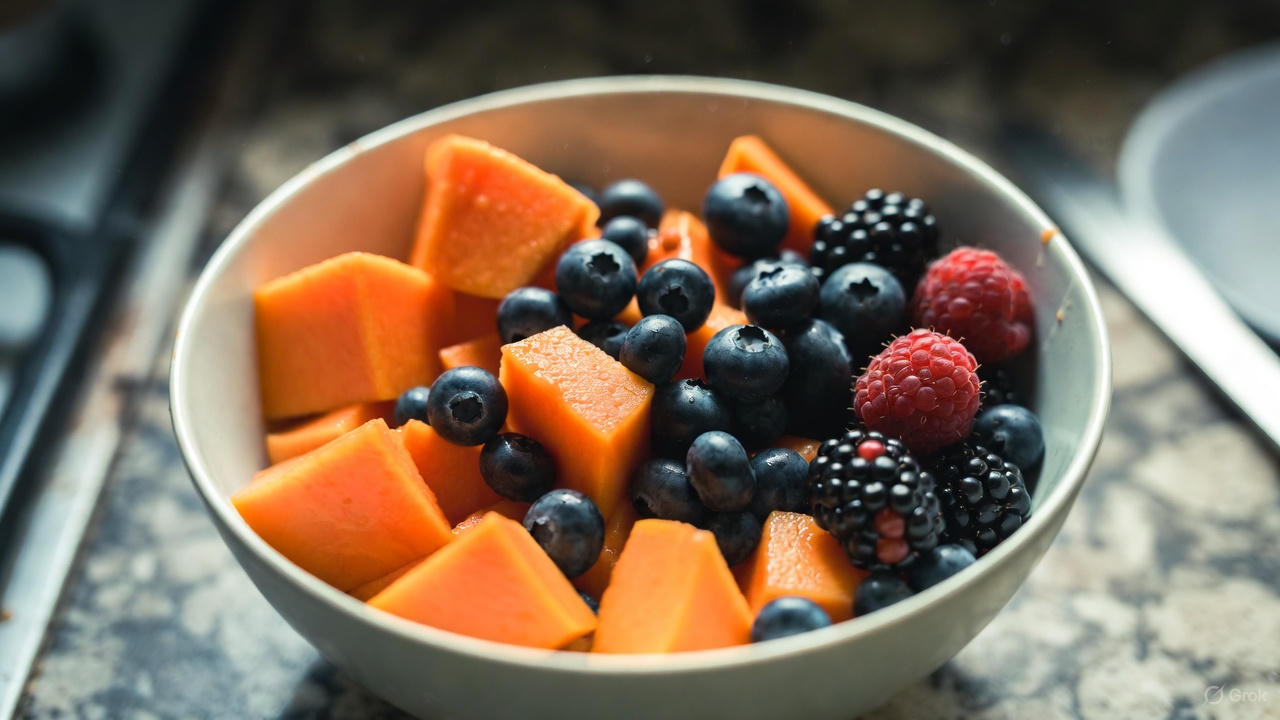
- Breakfast: Greek yogurt topped with mixed berries and papaya chunks
- Snack: Fresh watermelon cubes with a squeeze of lime
- Lunch: Salad with avocado, cherry tomatoes, and orange segments
- Afternoon: A glass of pure pomegranate juice
- Dinner: Tomato-based soup as a side
Start small—pick one or two fruits and build from there.
Safety Tips When Adding More Fruits
Most fruits are safe and beneficial, but consider these:
| Fruit | Suggested Daily Amount | Notes/Cautions |
|---|---|---|
| Papaya | 150–300g ripe flesh | Choose ripe; consult if on blood thinners |
| Pomegranate | 8 oz pure juice | May interact with some medications |
| Citrus | 1–2 whole fruits | Acidic—rinse mouth to protect teeth |
| Avocado | ½–1 fruit | Higher calories—watch portions |
| Others | 1–2 cups | Generally very safe |
Final Thoughts
Adding these research-backed fruits to your routine is a simple, enjoyable way to support urinary comfort and overall wellness. Many men find that consistent, nutrient-rich choices make a noticeable difference over time.
Which fruit will you try first? Start with one and track how you feel after a month.
FAQ
1. Can these fruits replace medical advice for urinary issues?
No—these are supportive dietary ideas based on research. Always consult your doctor for personalized guidance, especially if symptoms persist.
2. How long might it take to notice changes from adding these fruits?
Results vary; some studies show benefits in weeks to months with consistent intake, alongside a balanced lifestyle.
3. Are there any fruits to limit for prostate comfort?
Focus on whole fruits; excessive sugary juices may not help. Moderation is key.
This article is for informational purposes only and is not a substitute for professional medical advice. Consult your healthcare provider before making dietary changes, especially if you have health conditions or take medications.