As we get older, many people notice it’s harder to stay as strong and active as before. Simple tasks like carrying groceries or climbing stairs can feel more challenging over time. This gradual change in muscle strength is common with aging, and it can affect daily life and independence.
The frustrating part is that muscle mass naturally decreases starting around age 50, sometimes leading to reduced energy and mobility. But there’s encouraging news: research shows that including certain nutrient-rich foods in your diet can support muscle health and help you feel stronger.
In this article, we’ll explore seven everyday foods backed by studies that may help maintain muscle function. Keep reading to discover practical ways to add them to your meals—and a simple tip at the end for getting the most benefit.

Why Muscle Health Matters After 50
Muscle plays a key role in movement, balance, and overall vitality. As we age, factors like reduced activity and changes in how the body uses nutrients can contribute to gradual muscle decline.
Studies indicate that adequate protein intake, along with nutrients like omega-3s and antioxidants, supports muscle maintenance. For example, higher protein consumption has been linked to better muscle strength in older adults.
The good news? Small dietary changes can make a difference. Research suggests aiming for 1.0–1.2 grams of protein per kilogram of body weight daily for healthy older adults, spread across meals.
1. Quinoa: A Complete Plant-Based Protein Source
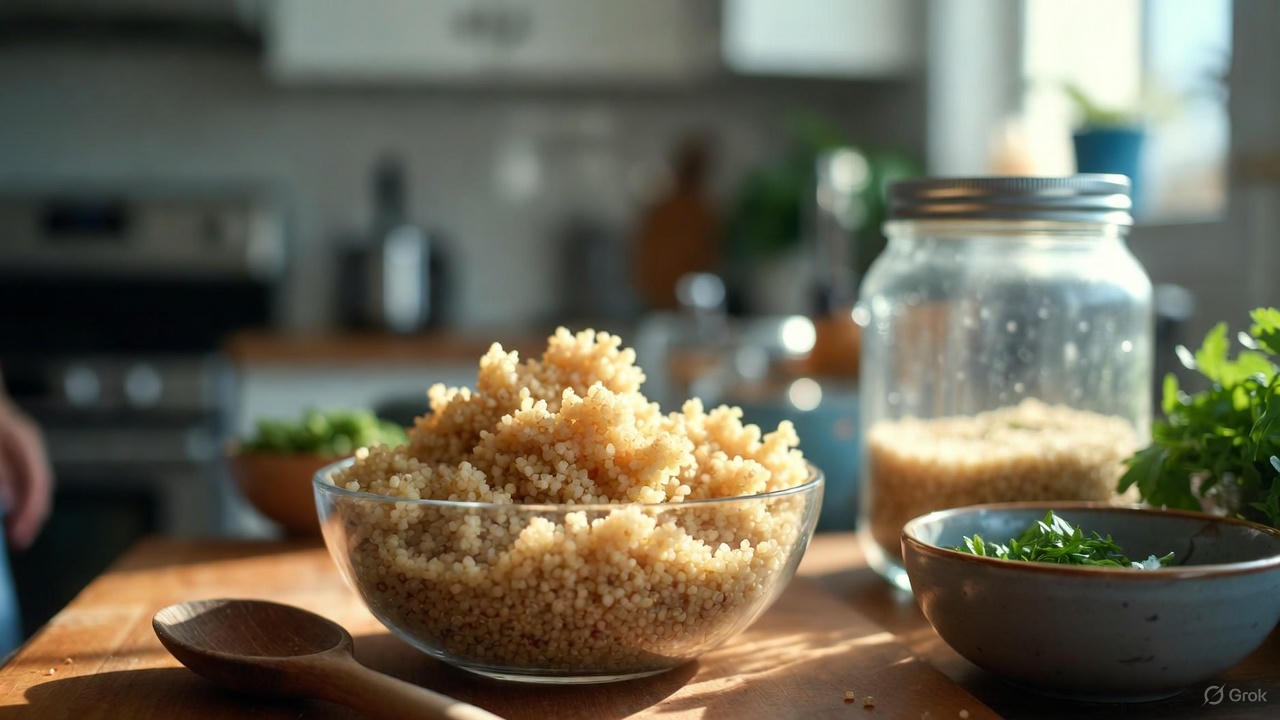
Quinoa stands out as one of the few plant foods that provides all nine essential amino acids, making it a high-quality protein option.
A cooked cup offers about 8 grams of protein, plus magnesium and fiber that support overall health.
Studies show complete proteins like quinoa can help stimulate muscle protein building, especially useful for those preferring plant-based meals.
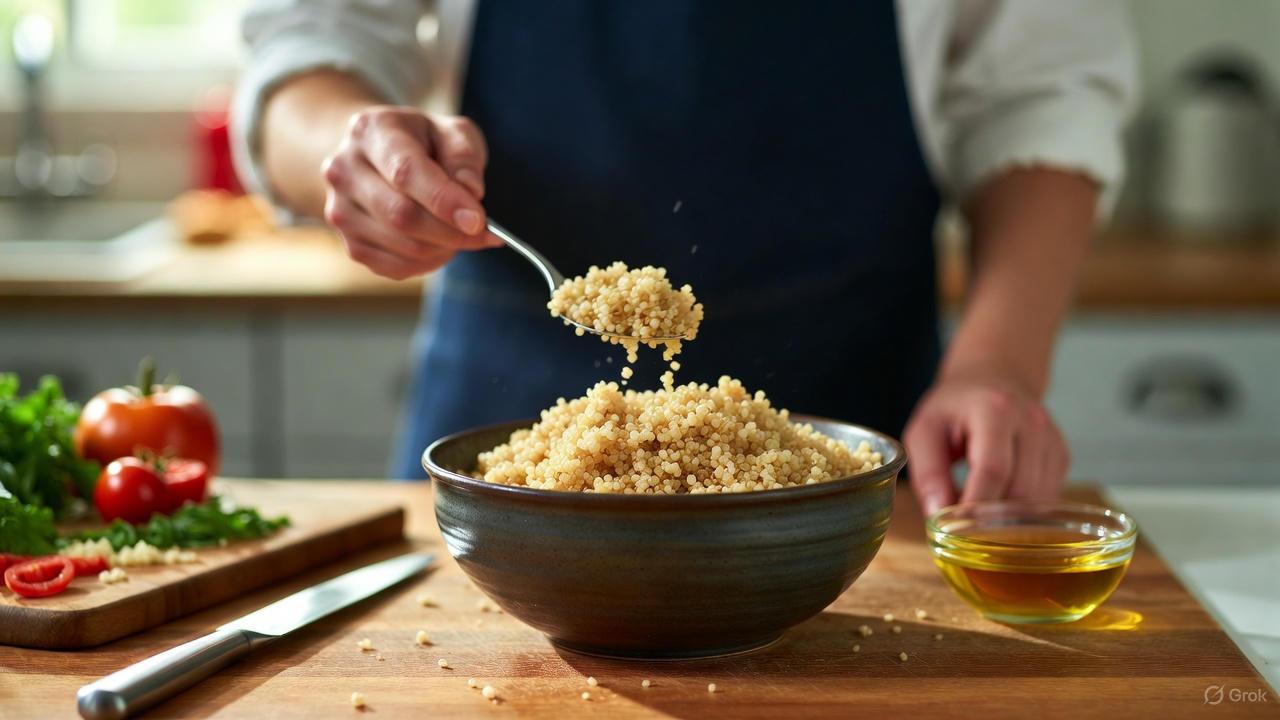
How to add it: Swap rice for quinoa in salads or side dishes twice a week.
2. Greek Yogurt: Protein-Packed with Gut Benefits
Greek yogurt delivers more protein than regular yogurt—up to 20 grams per cup—thanks to its straining process.
It also contains probiotics that aid nutrient absorption.
Research indicates dairy proteins support muscle recovery and strength in older adults.
Choose plain, unsweetened varieties to keep it simple.
Quick tip: Enjoy with berries for a protein boost of about 25 grams.
3. Wild Salmon: Rich in Omega-3s for Reduced Inflammation
Salmon provides high-quality protein (around 25 grams per 100 grams) and omega-3 fatty acids.
These fats help manage inflammation, which can affect muscle recovery.
Studies link omega-3 intake to better muscle function in aging adults.
Aim for 2–3 servings weekly.
Easy idea: Grill or bake with herbs for a flavorful dinner.
4. Eggs: An Affordable Source of Key Amino Acids
Whole eggs offer about 6 grams of protein each, with leucine—a amino acid that helps trigger muscle protein synthesis.
Modern research supports including eggs in a balanced diet for muscle health.
They’re versatile and nutrient-dense, including vitamin D.
Suggestion: Add to breakfast or salads for an extra 12–18 grams of protein.
5. Spinach: Packed with Nitrates and Antioxidants
Spinach is low in calories but high in nitrates, which improve blood flow, and compounds like vitamin E.
Some studies suggest nitrate-rich greens support muscle efficiency and strength.
It’s easy to add handfuls to meals without much effort.
Try this: Toss into smoothies or eggs for daily greens.
6. Almonds: Healthy Fats and Muscle-Supporting Minerals
A handful (about 1 ounce) provides 6 grams of protein, plus vitamin E and magnesium.
Magnesium aids muscle relaxation and function, while vitamin E protects cells.
Research connects nut intake to better muscle maintenance.
Keep portions moderate for calorie balance.
Snack idea: Pair with fruit for sustained energy.
7. Chicken Breast: Lean, High-Protein Staple
Chicken breast is an excellent lean protein source, delivering around 31 grams per 100 grams.
High-quality animal proteins like this support muscle repair effectively.
Studies show they help meet higher protein needs for aging adults.
Meal prep tip: Bake a batch for easy additions to lunches.
Here’s a quick comparison of protein content:
| Food | Protein per 100g (approx.) | Key Benefits |
|---|---|---|
| Chicken Breast | 31g | Lean, versatile |
| Wild Salmon | 25g | Omega-3s for inflammation support |
| Greek Yogurt | 10g | Probiotics and calcium |
| Quinoa (cooked) | 14g | Complete plant protein |
| Eggs (2 whole) | 12g | Leucine-rich |
| Almonds (handful) | ~6g (per 28g) | Magnesium and vitamin E |
| Spinach (cooked) | 3g | Nitrates for blood flow |
Putting It Together: Sample Daily Meals
Spreading protein across meals helps maximize benefits.
Here’s an example for around 100–120 grams total (adjust for your needs):
- Breakfast: Greek yogurt with berries and a handful of almonds (~28g protein)
- Lunch: Quinoa salad with spinach and chicken breast (~40g protein)
- Dinner: Baked salmon with eggs and greens (~45g protein)
- Snack: Hard-boiled egg or small yogurt (~10–15g protein)
But here’s the interesting part: combining these foods with light activity, like walking or simple strength moves, amplifies the effects.
Actionable Tips to Get Started
Start small for lasting habits:
- Calculate your needs: Use 1.0–1.2g protein per kg body weight as a guide.
- Focus on meals: Aim for 25–30g protein each.
- Choose variety: Mix plant and animal sources.
- Stay consistent: Add one new food this week.
Research supports these steps for supporting muscle health.
Frequently Asked Questions
How much protein do older adults need daily?
Studies suggest 1.0–1.2 grams per kilogram of body weight for healthy adults over 50, more if active or managing health conditions.
Can these foods help if I don’t exercise?
They provide valuable nutrients, but combining with movement offers greater support for muscle function.
Are there risks to higher protein intake?
For most healthy people, no—but consult a doctor if you have kidney issues.
Final Thoughts
Including these seven foods can be a straightforward way to support muscle strength and vitality as you age. Focus on balanced meals and listen to your body.
This information is for educational purposes only and is not medical advice. Always consult your healthcare provider before making significant dietary changes, especially if you have health conditions or take medications.