
Waking up with stiff knees that make even simple steps feel challenging can be incredibly frustrating. As the day goes on, that nagging discomfort builds, limiting walks, stairs, or time with loved ones, turning activities you once enjoyed into sources of dread. The good news is that small, consistent changes in your daily eating habits can play a supportive role in maintaining joint comfort and mobility.
Research suggests certain nutrient-rich foods may help reduce inflammation, provide building blocks for connective tissue, and support overall joint function. While no food is a magic fix, incorporating these options regularly could make a meaningful difference over time. Let’s explore seven evidence-based choices—and by the end, you’ll discover a simple way to get started that fits seamlessly into your routine.

Understanding Knee Joint Challenges
Knee joints rely on smooth cartilage to cushion movement, but over time, wear and tear can lead to discomfort and reduced flexibility. Factors like age, activity levels, and inflammation contribute to this process.
Studies, including those from the NIH and Arthritis Foundation, indicate that antioxidants and anti-inflammatory compounds in foods may help ease oxidative stress and support tissue maintenance. Consistency is key—pairing these foods with gentle movement and a healthy weight can enhance their potential benefits.
But that’s just the beginning…
The Role of Nutrients in Joint Support
Certain nutrients, like omega-3 fatty acids, vitamins C and K, and amino acids, have been linked in research to reduced inflammation and better joint comfort. For example, reviews show omega-3s may help lower pain and stiffness, while vitamin C supports collagen production essential for cartilage.
No single food rebuilds joints overnight, but a varied diet rich in these elements may contribute positively. Here’s a closer look at seven practical options backed by studies.
1. Fatty Fish: A Source of Omega-3s
Imagine enjoying grilled salmon a couple of times a week and noticing smoother movement in your knees.
Fatty fish like salmon, mackerel, and sardines are rich in omega-3 fatty acids. Multiple meta-analyses and trials indicate omega-3s may reduce joint inflammation and improve mobility in osteoarthritis.
- Provides EPA and DHA: Linked to lower inflammatory markers.
- Supports daily comfort: Studies show benefits with regular intake.
- Easy to prepare: Bake or grill for a quick meal.
Many people report gradual improvements with twice-weekly servings.
2. Citrus Fruits: Boosting Vitamin C Intake
Starting your day with a fresh orange could provide more than just a refreshing taste.
Citrus fruits, including oranges, grapefruits, and lemons, deliver vitamin C, a key cofactor in collagen synthesis. Research associates higher vitamin C intake with preserved cartilage and reduced progression in knee issues.
- Essential for collagen: Helps maintain connective tissue structure.
- Antioxidant properties: May protect joint cells from stress.
- Versatile: Add to water, salads, or enjoy whole.
Pairing with meals enhances absorption.
3. Berries: Packed with Antioxidants
A handful of blueberries in your morning yogurt might offer subtle joint support.
Berries such as strawberries, blueberries, and raspberries contain anthocyanins. Studies suggest these compounds help combat inflammation and may slow cartilage changes.
- Rich in polyphenols: Linked to reduced oxidative stress.
- Low-calorie option: Supports weight management for joint load.
- Year-round availability: Fresh or frozen works well.
Their vibrant colors signal potent benefits.
4. Leafy Greens: Vitamin K for Bone and Joint Stability
Sautéed spinach could contribute to steadier knees over time.
Greens like kale, spinach, and collards provide vitamin K. Research connects adequate vitamin K to better bone mineralization around joints and potential cartilage protection.
- Aids calcium utilization: Supports surrounding bone health.
- Nutrient-dense: Low calories with high benefits.
- Simple additions: Salads, smoothies, or sides.
Often underrated, they’re easy to include daily.

5. Nuts and Seeds: Healthy Fats and Magnesium
Grabbing a small handful of walnuts during the day feels satisfying and supportive.
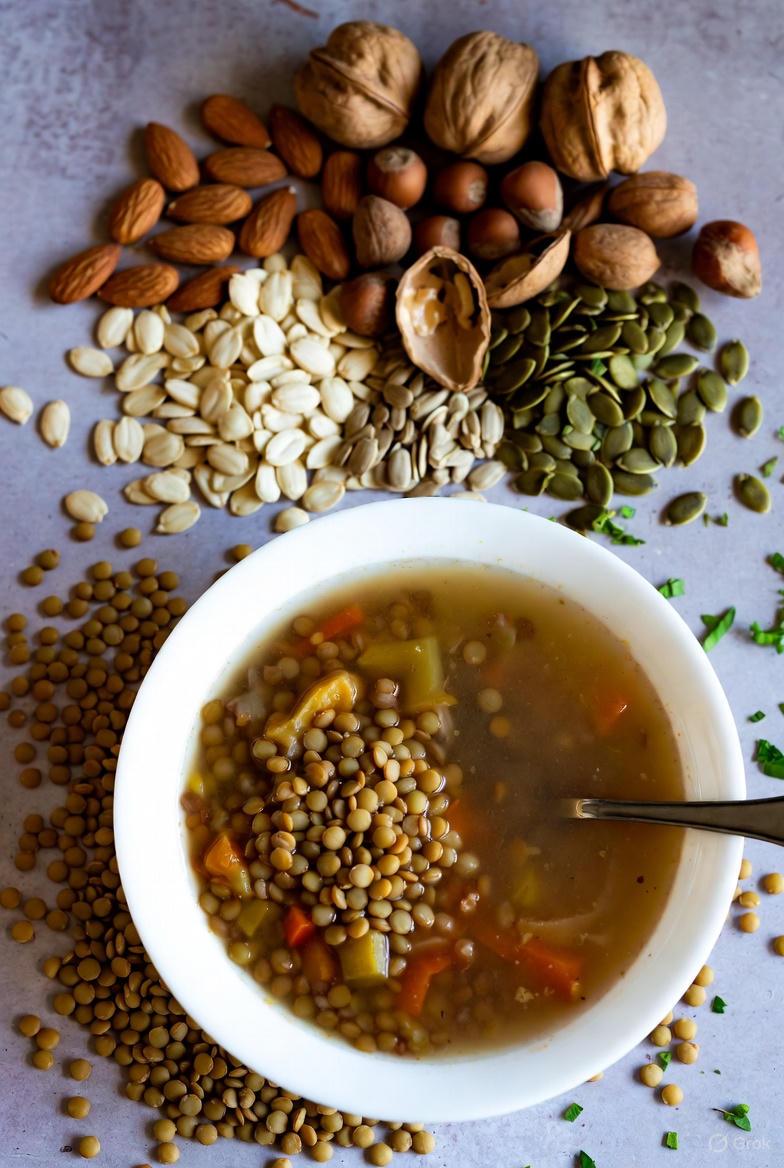
Nuts (walnuts, almonds) and seeds (chia, flax) offer magnesium and healthy fats. Evidence points to reduced inflammation and better joint comfort from these nutrients.
- Omega-3 in some: Walnuts and flax provide plant-based forms.
- Magnesium support: May ease muscle tension around joints.
- Portable snack: Control portions for balance.
A modest serving curbs hunger too.
6. Legumes: Plant-Based Building Blocks
A warm lentil soup might leave you feeling more flexible.
Beans, lentils, and chickpeas supply lysine, an amino acid involved in collagen formation, plus fiber for weight management.
- Lysine contribution: Supports connective tissue stability.
- Fiber benefits: Helps reduce joint stress from excess weight.
- Budget-friendly: Versatile in soups, salads, or sides.
They’re a staple worth adding regularly.
7. Bone Broth: Traditional Nutrient Source
Sipping homemade bone broth on cooler days feels nourishing.
Slow-simmered bone broth contains collagen precursors and compounds like glucosamine. While direct evidence varies, some studies suggest benefits for joint cushioning.
- Natural collagen: May support tissue maintenance.
- Soothing and hydrating: Easy on digestion.
- Quality matters: Homemade or low-sodium versions.
Many find it a comforting addition.
| Food | Key Nutrient(s) | Potential Benefit Supported by Research |
|---|---|---|
| Fatty Fish | Omega-3 fatty acids | Reduced inflammation and improved mobility |
| Citrus Fruits | Vitamin C | Collagen support and cartilage protection |
| Berries | Anthocyanins/antioxidants | Lower oxidative stress on joints |
| Leafy Greens | Vitamin K | Bone mineralization around joints |
| Nuts and Seeds | Magnesium, healthy fats | Eased inflammation and muscle relaxation |
| Legumes | Lysine, fiber | Collagen building blocks and weight management |
| Bone Broth | Collagen precursors | Joint nourishment and cushioning |
Practical Ways to Incorporate These Foods
Start small to build sustainable habits.
- Aim for fatty fish twice a week: Try baked salmon with greens.
- Add berries daily: Blend into smoothies or top yogurt.
- Include a serving of legumes: Swap into salads or soups 3–4 times weekly.
- Snack on nuts: 1 ounce handful most days.
- Boost vitamin sources: One citrus fruit and leafy greens daily.
Track how you feel over 4–12 weeks—many notice subtle shifts with consistency.
Research emphasizes gradual changes over quick fixes.
Common Questions About Diet and Joints
How long before noticing any differences?
Improvements vary, but studies often show subtle benefits in 4–12 weeks with regular intake.
Can these foods interact with medications?
Generally safe in food amounts, but consult your doctor if on blood thinners (e.g., vitamin K) or other meds.
Is a supplement better than food?
Whole foods provide a mix of nutrients; evidence favors dietary sources for broader benefits.
This information is for educational purposes only and not a substitute for professional medical advice. Always consult your healthcare provider before making dietary changes, especially if managing health conditions.


