
As we reach our 50s and beyond, many of us start noticing that everyday activities like carrying shopping bags or walking up stairs feel a bit more tiring than they used to. This gradual shift in strength and energy can be frustrating, especially when it affects the things we love doing. The good news is that simple changes to what we eat can make a real difference in supporting muscle health. In this article, you’ll discover seven accessible foods backed by research, plus a practical tip at the end that ties everything together for better results.

Why Muscle Health Becomes More Important After Age 50
Muscle plays a central role in staying mobile, balanced, and energetic as we age. Starting around age 50, natural changes in the body can lead to a gradual decline in muscle mass if we don’t pay attention to nutrition and activity.
Research shows that getting enough high-quality protein, along with key nutrients like omega-3s and antioxidants, helps support muscle maintenance in older adults. For instance, studies suggest aiming for 1.0 to 1.2 grams of protein per kilogram of body weight daily, spread across meals, can be beneficial for healthy individuals over 50.
The encouraging part? Small, consistent dietary adjustments can add up over time.
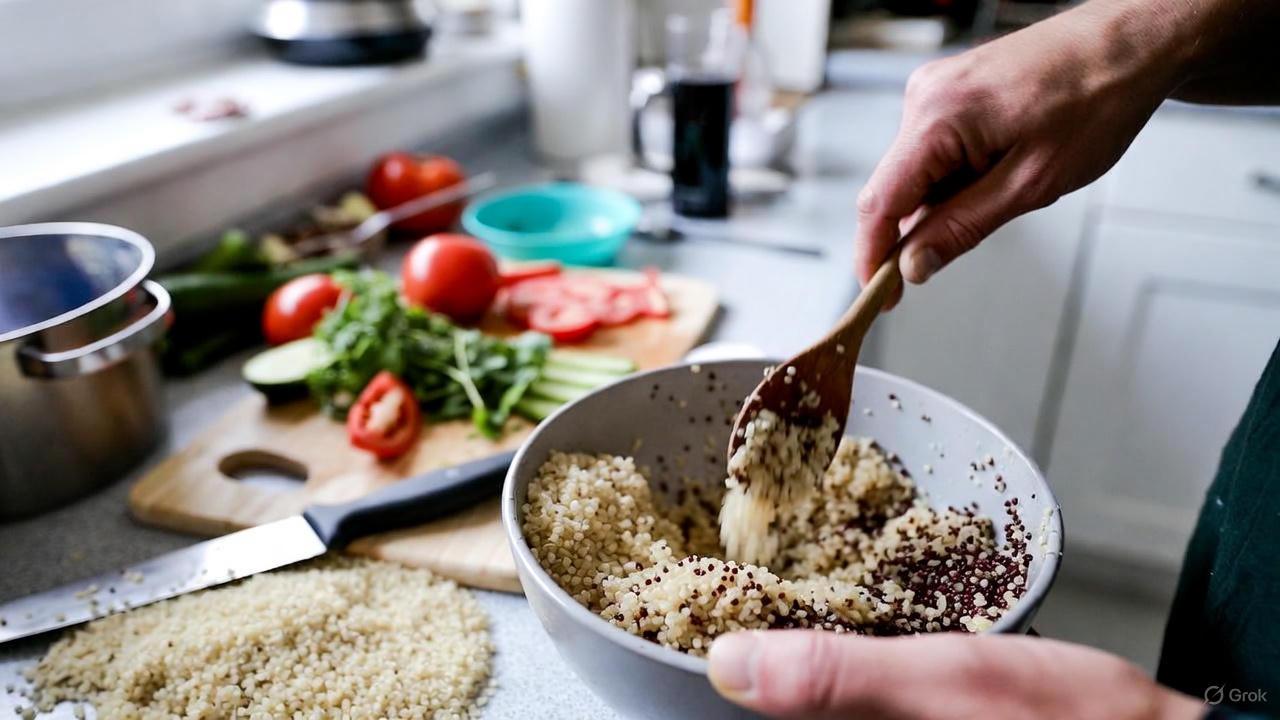
1. Quinoa: A Complete Plant-Based Protein Option
Quinoa is one of the few plant foods that contains all nine essential amino acids, making it a standout choice for protein quality.
One cooked cup provides about 8 grams of protein, along with magnesium and fiber that contribute to overall wellness.
Studies indicate that complete proteins like those in quinoa can support muscle protein synthesis, which is especially helpful for anyone enjoying more plant-based meals.
How to include it: Try swapping quinoa for rice in salads or as a side dish a couple of times a week. It’s simple and adds variety.
2. Greek Yogurt: High in Protein with Added Benefits
Greek yogurt stands out because it’s strained, delivering up to 20 grams of protein per cup—much more than regular yogurt.
It also contains probiotics that support gut health and better nutrient absorption.
Research points to dairy proteins helping with muscle recovery and strength in older adults when part of a balanced diet.
Quick idea: Choose plain, unsweetened versions and top with fresh berries for a satisfying snack that boosts protein to around 25 grams.
But that’s not all…
3. Wild Salmon: Packed with Omega-3 Fatty Acids
Salmon offers high-quality protein—about 25 grams per 100 grams—plus valuable omega-3 fatty acids.
These healthy fats help manage inflammation, which can influence muscle recovery and comfort.
Studies link regular omega-3 intake with better muscle function in aging populations.
Aim for 2-3 servings per week. A simple way: Bake or grill with lemon and herbs for an easy, flavorful dinner.
4. Eggs: Versatile and Nutrient-Dense
Whole eggs provide around 6 grams of protein each, including leucine—an amino acid that plays a key role in triggering muscle protein building.
Current research supports eggs as part of a balanced approach to nutrition for muscle health.
They’re affordable, quick to prepare, and rich in other nutrients like vitamin D.
Suggestion: Add boiled eggs to salads or enjoy them at breakfast for an extra 12-18 grams of protein.
Here’s the interesting part…
5. Spinach: Rich in Nitrates and Protective Compounds
Spinach is low in calories but loaded with nitrates that support healthy blood flow, plus antioxidants like vitamin E.
Some studies suggest that nitrate-rich vegetables can contribute to better muscle efficiency and endurance.
It’s incredibly easy to add—a handful goes a long way without changing the taste much.
Try this: Blend into smoothies, stir into scrambled eggs, or wilt into soups for daily greens.
6. Almonds: A Handy Snack with Useful Minerals
A small handful (about 1 ounce) of almonds delivers 6 grams of protein, plus magnesium and vitamin E.
Magnesium supports muscle relaxation and function, while vitamin E helps protect cells from oxidative stress.
Research connects regular nut consumption with positive effects on muscle maintenance in older adults.
Keep portions moderate to balance calories. Pair with fruit for steady energy throughout the day.

7. Chicken Breast: Lean and Protein-Rich
Chicken breast is a go-to lean protein source, offering around 31 grams per 100 grams cooked.
High-quality animal proteins like this are efficient for muscle repair and meeting daily needs.
Studies show they help older adults reach recommended protein levels more easily.
Meal prep tip: Bake a batch on the weekend to add to lunches or dinners all week.
Quick Comparison of Protein Content
To make planning easier, here’s a simple overview:
| Food | Protein (approx. per 100g) | Key Supporting Nutrients |
|---|---|---|
| Chicken Breast | 31g | Lean, versatile |
| Wild Salmon | 25g | Omega-3 fatty acids |
| Greek Yogurt | 10g (per 100g) | Probiotics, calcium |
| Quinoa (cooked) | 14g (per cup equivalent) | Complete protein, magnesium |
| Eggs (2 whole) | 12g | Leucine, vitamin D |
| Almonds | 21g | Magnesium, vitamin E |
| Spinach (cooked) | 3g | Nitrates, antioxidants |
Sample Day of Balanced Meals
Spreading protein evenly across meals helps the body use it more effectively.
Here’s an example aiming for 100-120 grams total (adjust based on your weight and activity):
- Breakfast: Plain Greek yogurt with berries and a handful of almonds (~28g protein)
- Lunch: Quinoa salad with spinach, chicken breast, and light dressing (~40g protein)
- Dinner: Baked salmon served with eggs and steamed greens (~45g protein)
- Snack: A hard-boiled egg or small yogurt (~10-15g protein)
This approach keeps things practical and enjoyable.
Actionable Tips to Get Started Right Away
Ready to make changes? Follow these simple steps:
- Estimate your needs: Multiply your weight in kilograms by 1.0-1.2 to get a daily protein target.
- Plan meals: Aim for 25-30 grams of protein at breakfast, lunch, and dinner.
- Mix sources: Combine plant and animal options for variety and complete nutrition.
- Start small: Pick one or two foods from this list to add this week.
- Stay consistent: Track how you feel after a few weeks of small adjustments.
And here’s that practical tip promised earlier: Pair these foods with light daily movement—like a 20-minute walk or simple bodyweight exercises. Research shows this combination supports muscle health far more than diet alone.
Frequently Asked Questions
How much protein do most adults over 50 need daily?
Studies recommend 1.0-1.2 grams per kilogram of body weight for healthy older adults, with higher amounts if very active.
Can these foods help support muscle strength without exercise?
They provide important nutrients, but adding gentle movement creates the best results for staying active.
Is increasing protein intake safe for everyone?
For most healthy people, yes—but check with your doctor if you have kidney concerns or other conditions.
Final Thoughts
Adding these seven everyday foods into your routine is a straightforward way to support muscle strength and keep doing the activities you enjoy as you age. Focus on balance, variety, and listening to your body.
This information is for educational purposes only and is not medical advice. Always consult your healthcare provider before making significant dietary changes, especially if you have health conditions or take medications.


