
Many men over 50 experience occasional urinary urgency, a weaker flow, or more frequent trips to the bathroom, especially at night. These common issues can disrupt daily routines, outings, and restful sleep, leaving you feeling frustrated and less confident. You’re far from alone—research shows that about half of men in this age group deal with these challenges at some point.
The good news is that simple, evidence-based lifestyle habits can help support better bladder control and prostate comfort. Studies suggest these approaches may ease daily discomfort and promote overall urinary health. Keep reading to discover practical steps you can take—and one key habit that ties it all together for lasting benefits.
Understanding Common Urinary Changes in Aging Men
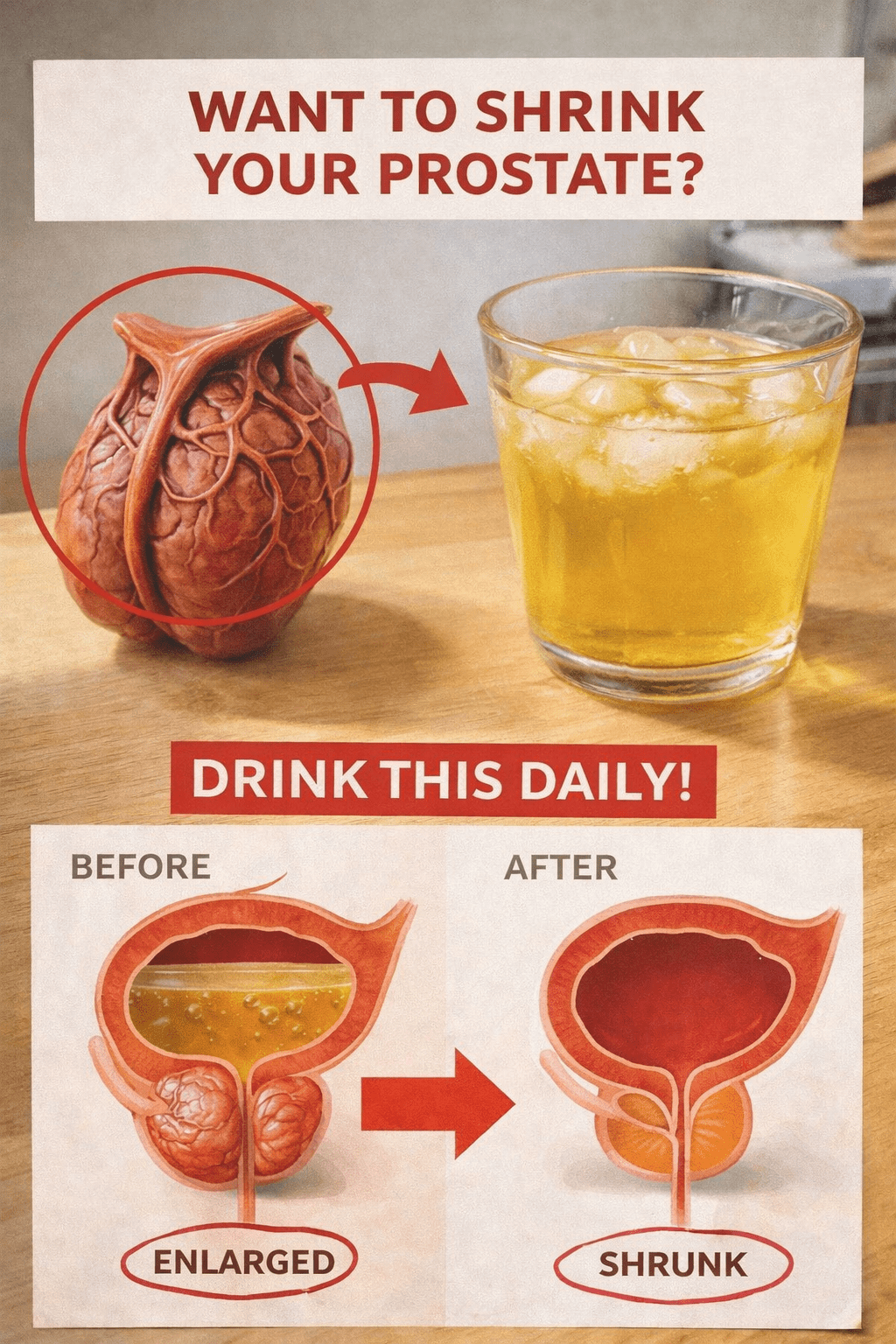
As men age, the prostate naturally enlarges, a condition known as benign prostatic hyperplasia (BPH). According to autopsy studies, around 50% of men over 50 show signs of this change, rising to 80-90% in those over 70.
This enlargement can press on the urethra, leading to lower urinary tract symptoms (LUTS) like urgency, weak stream, or nighttime trips. Factors such as inflammation, muscle tension, and hormonal shifts play a role. Research also links poor sleep, stress, and inactivity to worsened symptoms.
While these changes are common, supportive habits targeting inflammation, circulation, and muscle strength can make a meaningful difference. Studies on natural approaches show promising results for daily comfort.
But that’s not all—consistent small changes often yield the best outcomes.
7 Practical Habits to Promote Urinary Comfort
These habits draw from scientific insights and are easy to incorporate. Many men report improvements in flow and fewer interruptions with regular practice.
1. Stay Properly Hydrated Throughout the Day
Dehydration can concentrate urine, potentially irritating the bladder and increasing urgency. Research in the Journal of Urology indicates that adequate water intake helps dilute urine and supports bladder function.
Aim for 6-8 glasses of water daily, sipped steadily. Adding lemon provides vitamin C, which has anti-inflammatory properties.
Pro tip: Limit caffeine and alcohol in the afternoon, as they can act as diuretics.
2. Include Pumpkin Seeds as a Daily Snack
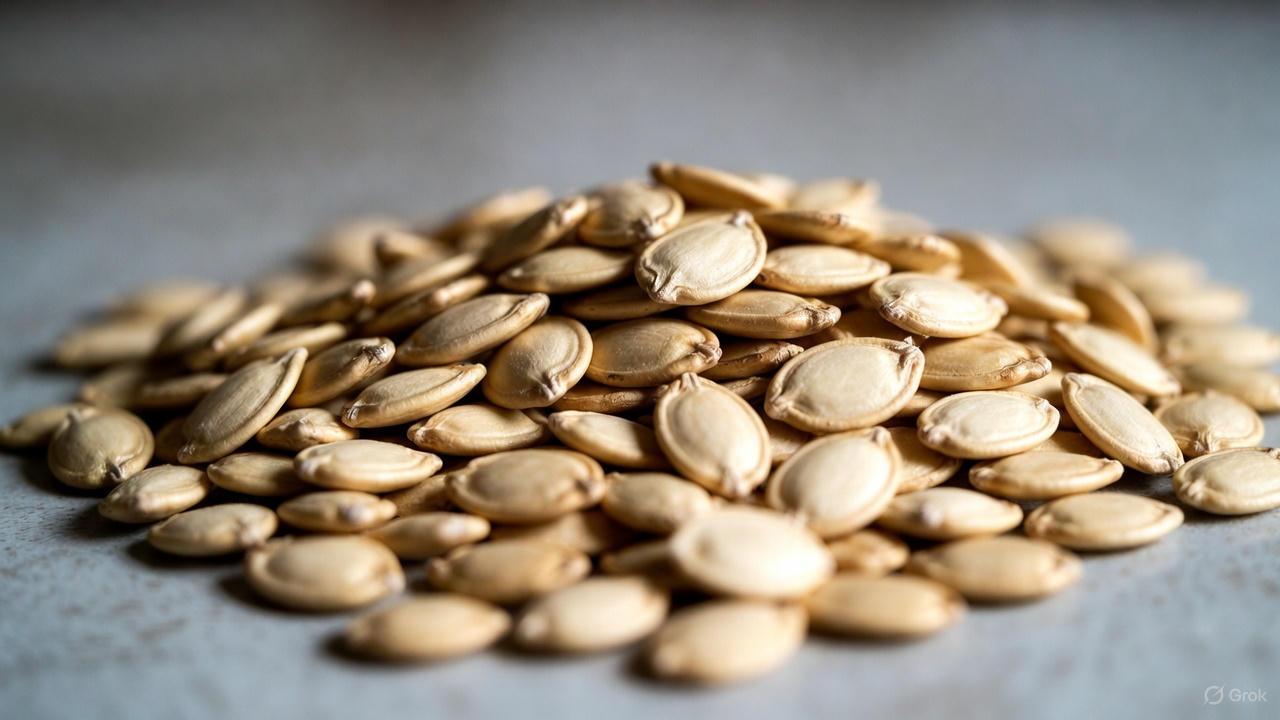
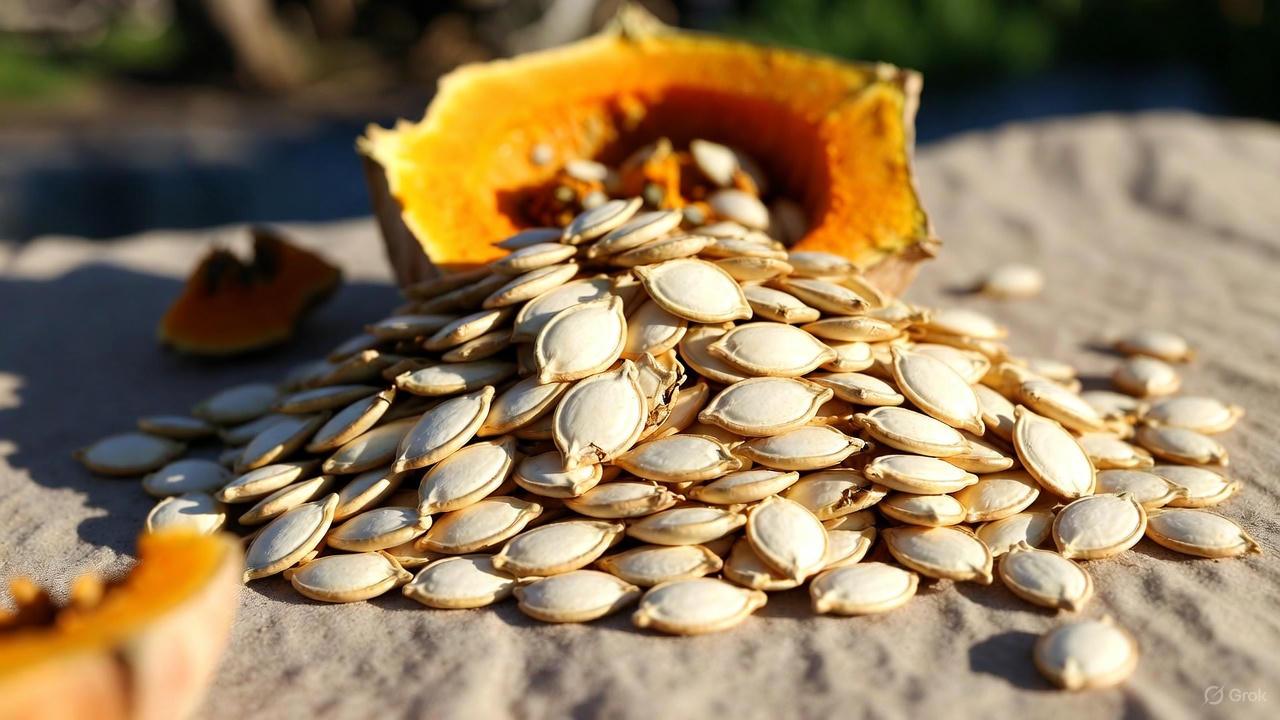
Pumpkin seeds are rich in zinc and phytosterols, nutrients linked to prostate support. A randomized study (GRANU trial) found that daily pumpkin seed intake helped improve urinary symptoms in men with BPH.
Try 1 ounce (a small handful) roasted or raw—add to salads or yogurt.
Zinc plays a role in hormone balance, which may influence prostate health.
3. Practice Pelvic Floor Exercises Regularly
Pelvic floor muscles support bladder control. Studies show that exercises like Kegels can strengthen these muscles, improving urgency and flow.
How to do them:
- Identify the muscles by stopping urine mid-stream (do this only to learn).
- Contract for 5 seconds, relax for 5—repeat 10 times.
- Do 3 sets daily, discreetly anywhere.
Men in research trials saw notable benefits after consistent practice.
4. Choose Anti-Inflammatory Foods
Chronic low-grade inflammation may contribute to prostate discomfort. Foods rich in omega-3s and antioxidants, like fatty fish, berries, and leafy greens, show supportive effects in observational studies.
Aim for:
- Salmon or walnuts 2-3 times weekly.
- Berries or spinach in meals or smoothies.
Harvard research links these choices to reduced inflammation markers.
5. Manage Stress with Simple Techniques
Stress can tighten pelvic muscles, worsening urgency. Deep breathing activates relaxation responses, easing tension.
Try this daily:
- Inhale for 4 counts.
- Hold for 4.
- Exhale for 6.
- Repeat for 5 minutes.
Studies in men’s health journals note reduced symptoms with regular practice.
6. Incorporate Regular Walking
Physical activity boosts circulation and reduces inflammation. Research from Harvard’s Health Professionals Follow-up Study found that men who walked briskly several hours weekly had fewer BPH-related issues.
Start with 20-30 minute walks most days. Add gentle yoga for flexibility.
Even moderate movement shows benefits.
7. Prioritize Consistent, Quality Sleep
Sleep helps regulate hormones and recovery. Poor sleep is linked to worsened urinary symptoms in some studies.
Tips for better rest:
- Aim for 7-8 hours.
- Dim lights an hour before bed.
- Avoid screens; try herbal tea like chamomile.
Restful nights support overall vitality.
Here’s a quick comparison of key habits:
| Habit | Key Benefit | Evidence Highlight | Easy Starting Tip |
|---|---|---|---|
| Hydration | Dilutes urine | Journal of Urology studies | Sip water with lemon |
| Pumpkin Seeds | Nutrient support | GRANU randomized trial | 1 oz daily snack |
| Pelvic Exercises | Muscle strength | Urology journal improvements | 10 reps, 3x daily |
| Anti-Inflammatory Foods | Reduces swelling | Harvard observational data | Add berries weekly |
| Stress Management | Eases muscle tension | Men’s health research | 5-minute breathing |
| Walking | Improves circulation | Harvard follow-up study | 20 minutes daily |
| Quality Sleep | Hormone balance | Sleep medicine links | Consistent bedtime |
Your 30-Day Plan to Build These Habits
Start small for sustainable changes.
Week 1: Build Foundations
- Drink 6-8 glasses of water daily.
- Add 1 oz pumpkin seeds.
- Walk 20 minutes most days.
Week 2: Add Strength
- Begin pelvic floor exercises (3 sets daily).
- Include 3 servings of anti-inflammatory foods.
- Practice deep breathing 5 minutes daily.
Week 3: Enhance Comfort
- Continue all habits.
- Focus on evening wind-down for sleep.
Week 4: Refine and Track
- Establish a sleep routine.
- Note changes in a journal (urgency, energy).
Many men notice easier days within weeks.
What to Expect and How to Track Progress
Consistency matters most. Research shows gradual improvements in urinary comfort with these habits.
Track simple metrics:
- Number of nighttime trips.
- Ease of flow.
- Overall energy.
Adjust as needed—everyone responds differently.
Frequently Asked Questions
Are these habits suitable for all men over 50?
Yes, they’re generally safe and supportive, but individual needs vary. Start gently.
How soon might I notice changes?
Some report benefits in 1-2 weeks; fuller effects often in 4-6 weeks with consistency.
Can these replace medical advice?
No—they complement professional care. Always discuss symptoms with your doctor.
Important Note
This information is for educational purposes and based on general research. It is not medical advice, diagnosis, or treatment. Consult your healthcare provider before making changes, especially if you have existing conditions or take medications. They can tailor recommendations to your needs.


