Many men over 45 start noticing changes in their bathroom habits that can feel frustrating and disruptive to daily life. Waking up multiple times at night, feeling like the bladder never fully empties, or experiencing urgency that interrupts work or leisure time—these issues can quietly affect confidence and quality of life. The good news is that simple lifestyle adjustments and natural approaches may help support better bladder and prostate function. And later in this article, I’ll share one surprisingly effective daily habit that many men report makes a noticeable difference.
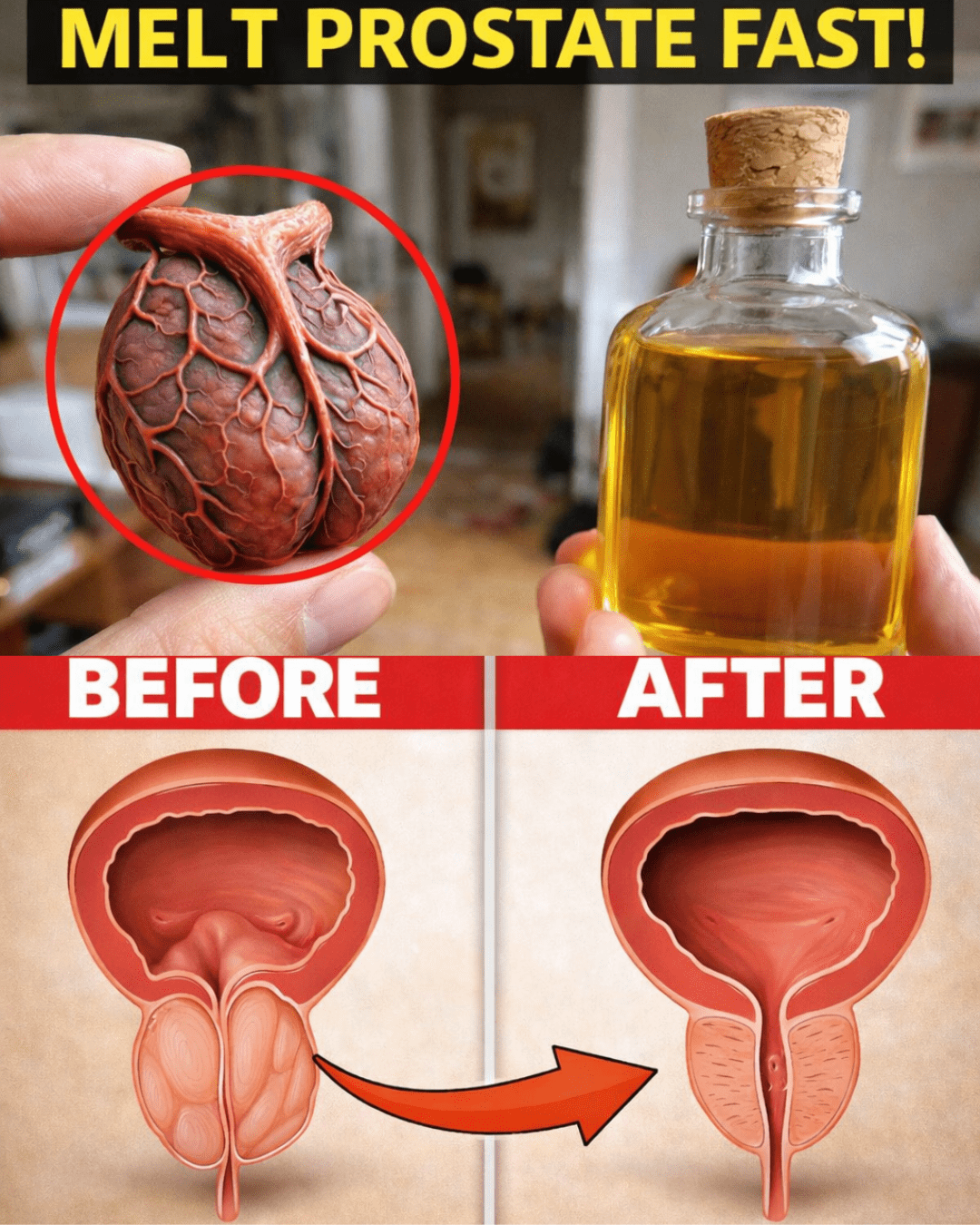
Understanding Common Bladder and Prostate Concerns in Midlife
As men age, the prostate gland naturally grows larger, a condition known as benign prostatic hyperplasia (BPH). This can press on the urethra and affect urine flow.
Research from reputable health organizations shows that more than half of men in their 60s and up to 90% of men over 70 experience some related symptoms.
But that’s not the whole story…
Factors like inflammation, diet, and hydration also play significant roles in how comfortable the urinary system feels day to day.
Why Natural Approaches Matter
Supporting prostate and bladder health naturally focuses on reducing inflammation, improving blood flow, and maintaining healthy pelvic muscles.
Studies published in journals like the Journal of Urology suggest that certain foods and habits can contribute positively to urinary comfort.
The best part? These changes are often easy to incorporate and come with additional benefits for overall wellness.
1. Stay Well-Hydrated the Smart Way
Drinking enough water is essential, but timing matters.
Many men reduce fluid intake to avoid frequent trips to the bathroom—yet this can concentrate urine and irritate the bladder lining.
Instead:
- Aim for 6–8 glasses of water spread throughout the day
- Limit fluids in the evening, especially after 7 PM
- Choose plain water over caffeinated or alcoholic beverages when possible
Research indicates proper hydration supports healthy urine flow without overwhelming the bladder.
2. Include Anti-Inflammatory Foods Daily
Certain foods contain compounds that may help reduce inflammation in the prostate area.
Here are some evidence-backed options:
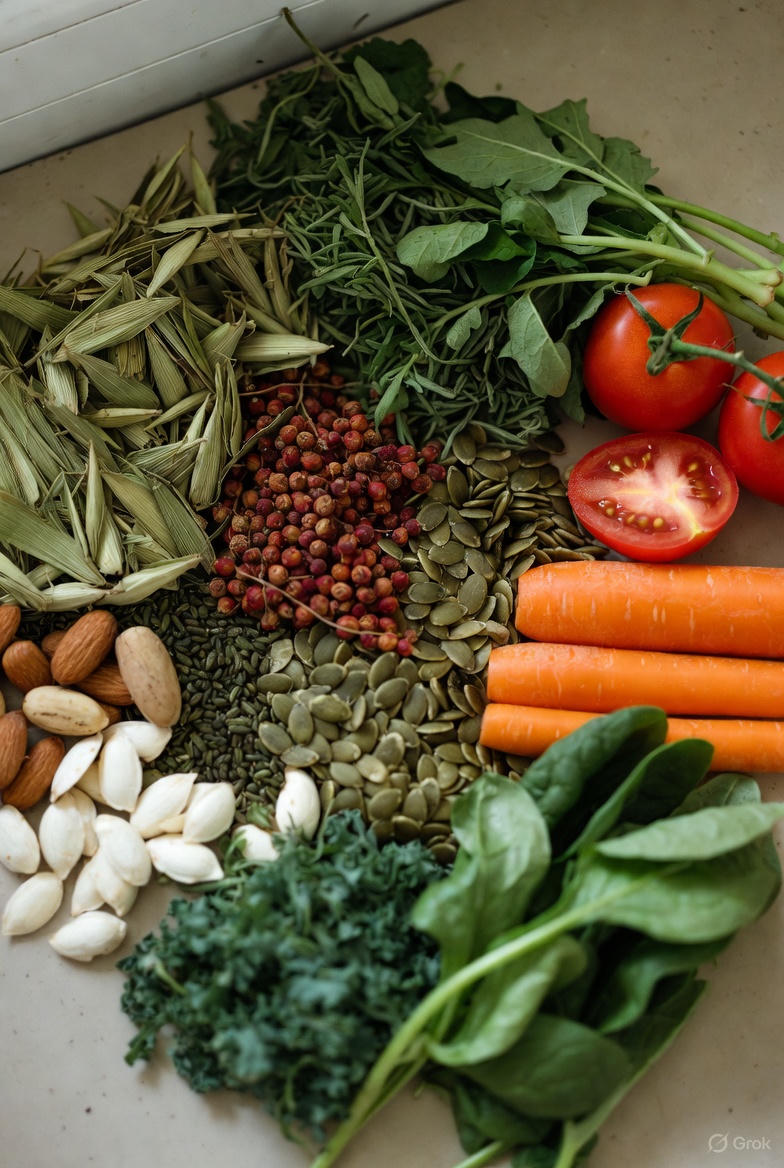
- Tomatoes (rich in lycopene, especially when cooked)
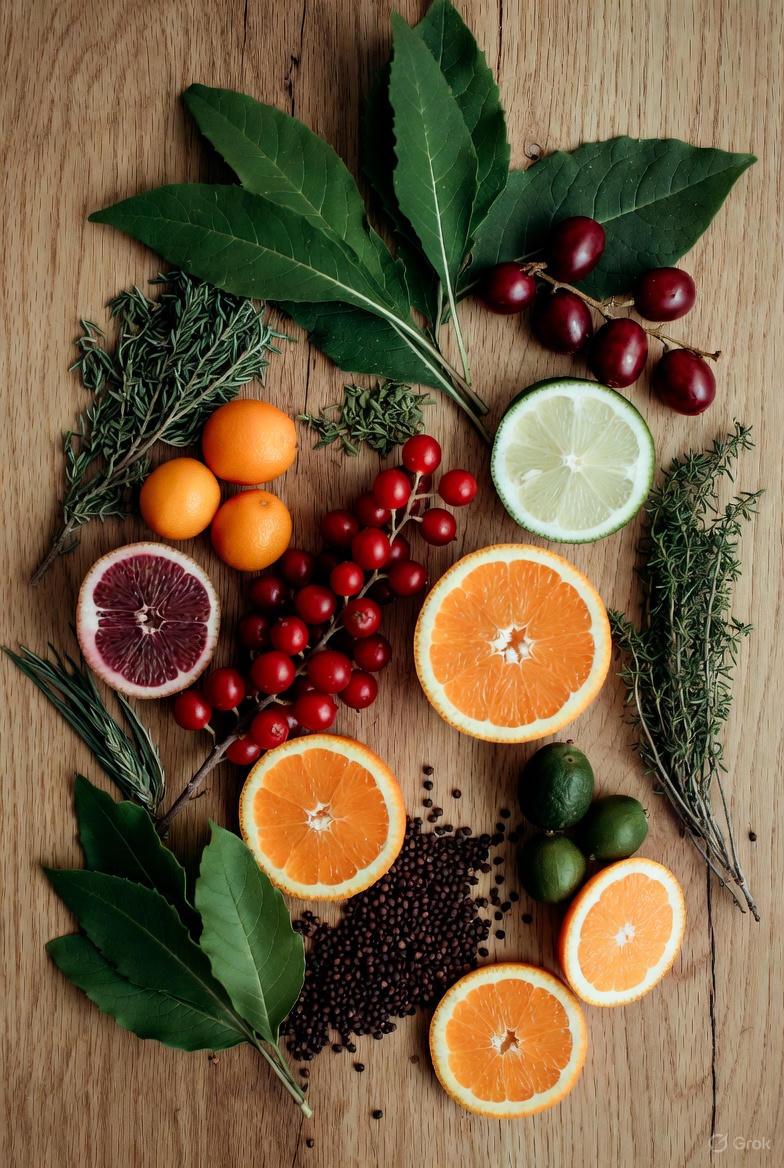
- Berries like blueberries and cranberries
- Fatty fish such as salmon (source of omega-3s)
- Green leafy vegetables
- Nuts and seeds, particularly pumpkin seeds
A study in the American Journal of Clinical Nutrition linked higher lycopene intake with better prostate health markers.
3. Try This Simple Pelvic Floor Exercise Routine
Strong pelvic floor muscles support bladder control.
Kegel exercises are one of the most accessible ways to strengthen them.
How to do them correctly:
- Identify the muscles by stopping urine mid-flow (do this only to locate them)
- Contract those muscles for 5 seconds, then relax for 5 seconds
- Repeat 10–15 times, 3 sets per day
- Progress to longer holds as strength improves
Many men notice improvement within 4–6 weeks of consistent practice.
4. Maintain a Healthy Weight Through Movement
Excess weight, especially around the midsection, can put pressure on the bladder and prostate.
Regular moderate exercise helps:
- Walking 30 minutes most days
- Swimming or cycling for low-impact activity
- Light strength training twice a week
Research shows that men who stay active tend to report fewer urinary symptoms.
5. Limit Bladder Irritants
Some everyday items can make symptoms feel worse.
Common irritants include:
- Caffeine (coffee, tea, soda)
- Alcohol
- Spicy foods
- Artificial sweeteners
- Carbonated drinks
Try reducing one at a time for a week to see if it makes a difference.
6. Consider Adding Pumpkin Seeds to Your Diet
Pumpkin seeds have been used traditionally for men’s urinary health.
They’re rich in zinc and plant compounds called phytosterols.
A simple way to include them:
- Snack on a small handful daily
- Sprinkle on salads or oatmeal
- Choose unsalted, raw or lightly roasted
German studies have explored their potential supportive role in prostate comfort.
7. The Daily Tea Habit Many Men Swear By
Here’s the surprising habit I promised earlier…
Many men find that sipping a warm herbal tea made from natural ingredients supports overall urinary comfort.
Common helpful herbs include:
- Stinging nettle leaf
- Saw palmetto berries
- Pygeum bark
- Rye pollen extract
These are often combined in traditional European formulas studied for prostate support.
You can find ready-made blends or make your own simple version at home.
Steep 1–2 teaspoons of dried herbs in hot water for 10 minutes, strain, and enjoy once or twice daily.
Always start slowly and monitor how your body responds.
Putting It All Together: A Sample Daily Routine
Morning: Glass of water + Kegel set + breakfast with berries and pumpkin seeds
Midday: Balanced lunch with tomatoes and greens + 30-minute walk
Afternoon: Herbal tea if desired
Evening: Light dinner + limit fluids + evening Kegel set
Consistency is key—small changes add up over time.
Conclusion
Supporting bladder and prostate health naturally comes down to smart hydration, anti-inflammatory foods, regular movement, and targeted habits like pelvic exercises and herbal teas. These approaches empower men to take proactive steps toward greater comfort and confidence. Start with one or two changes that feel manageable, and build from there.
Frequently Asked Questions
Can natural methods completely prevent prostate issues?
While no approach guarantees prevention, research suggests healthy lifestyle habits may help maintain better urinary function as men age.
How long before noticing any difference?
Many men report feeling changes within 4–8 weeks of consistent habits, though individual results vary.
Should I stop medications if trying natural approaches?
Never stop prescribed medications without consulting your doctor—natural habits are meant to complement, not replace, medical care.
Disclaimer: This article is for informational purposes only and is not medical advice. Always consult with a qualified healthcare professional before making changes to your diet, exercise routine, or supplement regimen, especially if you have existing health conditions or take medications.