
Many people living with diabetes wake up to higher-than-expected morning blood sugar readings, even after careful management during the day. This can feel frustrating and worrisome, especially when it happens repeatedly despite your best efforts. The good news is that certain everyday drinks, backed by some scientific research, might offer gentle support for overnight blood sugar balance when enjoyed as part of a healthy routine.
But here’s the intriguing part: one of these options stands out in traditional practices and emerging studies for its potential role in morning glucose support. Keep reading to discover which one it is and how to incorporate these drinks safely.

Why Overnight Blood Sugar Matters
Blood sugar can fluctuate while you sleep due to natural hormonal changes and liver glucose release. For some, this leads to elevated morning readings.
Research suggests that low-carb, plant-based beverages consumed before bed may help moderate these fluctuations in certain individuals. Studies, including small clinical trials, have explored options like herbal teas and diluted vinegars.
That said, results vary, and these drinks are not a substitute for prescribed treatments. Always monitor your levels closely.
1. Apple Cider Vinegar in Water
Apple cider vinegar (ACV) has been one of the most studied natural options for blood sugar support.
A small 2007 study found that adults with well-controlled type 2 diabetes who took 2 tablespoons of vinegar at bedtime experienced moderated waking glucose levels. More recent reviews indicate modest reductions in fasting blood sugar with regular use.
How to Prepare
Mix 1–2 tablespoons of ACV in a glass of water. Sip 30 minutes before bed.
Add a slice of lemon for taste if needed. Start with 1 tablespoon to assess tolerance.
2. Unsweetened Hibiscus Tea
Hibiscus tea, made from dried hibiscus flowers, offers a tart, cranberry-like flavor with zero carbs.
Some studies show it may help lower fasting blood glucose and support healthy blood pressure. A review noted significant reductions in fasting levels among participants consuming hibiscus regularly.
Brew it hot or iced for a refreshing evening ritual.
Quick Recipe
Steep 1–2 teaspoons of dried hibiscus flowers in hot water for 5–10 minutes. Enjoy plain or chilled.
3. Warm Water with Ceylon Cinnamon
Cinnamon, particularly the Ceylon variety (lower in coumarin), contains compounds that may mimic insulin’s effects.
Multiple trials suggest modest improvements in fasting glucose and insulin sensitivity with daily cinnamon intake. One meta-analysis found benefits in people with type 2 diabetes.
Simple Preparation
Stir ½ teaspoon of Ceylon cinnamon powder into warm water. Let it infuse for a few minutes before drinking.
It has a naturally sweet, spicy aroma that many find soothing.
4. Fenugreek Seed Water
Fenugreek seeds are rich in soluble fiber, which may slow carbohydrate absorption.
Clinical studies, including one where participants soaked 10 grams of seeds overnight, reported reductions in fasting blood sugar. A meta-analysis confirmed potential benefits for glycemic control.
Easy Method
Soak 1–2 teaspoons of fenugreek seeds in water overnight. Drink the water (and seeds if tolerated) in the morning or before bed.
It has a nutty taste that grows on many people.
5. Herbal Teas Like Chamomile or Peppermint
Calming unsweetened herbal teas promote relaxation and hydration without affecting blood sugar.
While not directly lowering glucose, good sleep supports overall blood sugar management. Research links better sleep quality to improved insulin sensitivity.
Choose caffeine-free options for bedtime.

6. Warm Milk or Unsweetened Plant Milk
A small glass of low-fat milk provides protein and fat that may help stabilize overnight levels.
Some evidence suggests dairy proteins can moderate post-meal responses, potentially extending to bedtime routines. Opt for unsweetened almond or soy milk if preferring plant-based.
7. Giloy (Guduchi) Tea – The Traditional Favorite
In Ayurvedic practice, giloy (Tinospora cordifolia) is prized for metabolic support.
Animal and preliminary human studies indicate potential anti-hyperglycemic effects, with some reporting improved glucose tolerance. Traditional use often highlights it for diabetes management, though more large-scale trials are needed.
Preparation Tip
Steep giloy stems or powder in hot water for 10 minutes. Available as tea bags or powder in specialty stores.
This is the one often called a “secret” in traditional systems – and the one we’ll circle back to at the end.
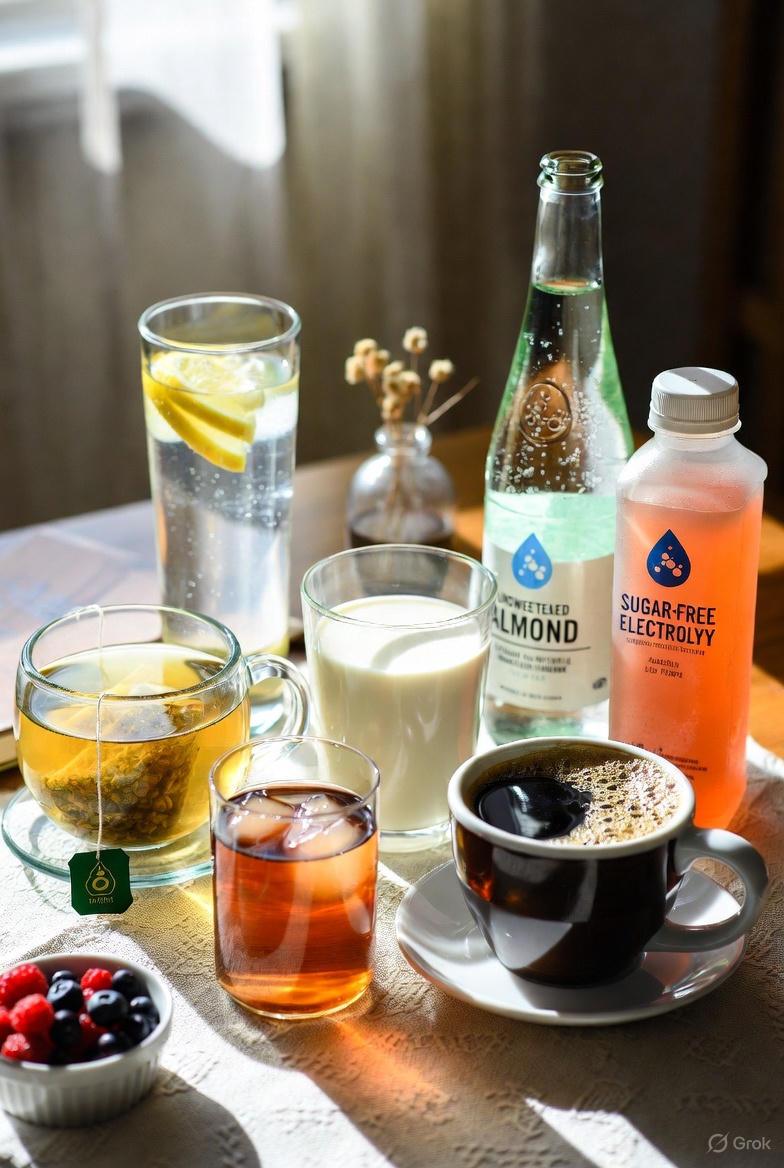
Comparison of These Bedtime Drink Options
| Drink | Key Potential Benefit | Taste Profile | Ease of Preparation | Supporting Evidence Level |
|---|---|---|---|---|
| ACV Water | Moderates waking glucose | Tangy | Very easy | Moderate (small trials) |
| Hibiscus Tea | Supports fasting levels | Tart, fruity | Easy | Emerging |
| Cinnamon Water | May improve insulin sensitivity | Warm, spicy | Easy | Moderate |
| Fenugreek Water | Fiber slows absorption | Nutty, slightly bitter | Overnight soak | Moderate |
| Herbal Tea | Promotes relaxation and hydration | Varied | Easy | Indirect (sleep support) |
| Warm Milk | Protein for stability | Creamy | Easy | Limited |
| Giloy Tea | Traditional metabolic support | Bitter-mild | Easy | Preliminary/traditional |
Tips to Maximize Benefits
- Pair your drink with a small protein snack (like a few nuts) → This may slow digestion further.
- Time it 30–60 minutes before bed → Gives compounds time to work.
- Rotate options → Prevents boredom and allows varied nutrients.
- Stay hydrated throughout the day → Dehydration can concentrate blood sugar.
But that’s not all – consistency matters most. Track your morning readings to see what works for you personally.
The Standout Option: Why Giloy Keeps Coming Up
In traditional Indian medicine, giloy earns frequent mention for its broad supportive role in blood sugar health. While modern research is still catching up, its long history and promising early studies make it the one many turn to as a nightly ritual.
Start small, listen to your body, and combine with your usual care.
Frequently Asked Questions
Can these drinks replace my diabetes medication?
No. These are supportive options only. Never adjust medications without consulting your healthcare provider.
How soon might I notice changes?
Some people report differences in morning readings within days to weeks, but individual results vary. Patience and monitoring are key.
Are there any risks with bedtime drinks?
Overly large volumes might cause nighttime bathroom trips. Certain options (like ACV) could interact with medications or cause digestive upset – start low.
Final Thoughts
Incorporating one or two of these simple, evidence-informed drinks into your evening routine might offer gentle overnight support for blood sugar balance. From the tangy kick of ACV to the traditional depth of giloy tea, there’s likely an option that fits your taste and lifestyle.
Remember, sustainable habits – like balanced meals, movement, and good sleep – form the foundation. These drinks can complement that foundation.
This article is for informational purposes only and is not medical advice. Always consult your doctor or diabetes educator before trying new routines, especially if you take insulin or blood sugar-lowering medications, as significant changes can occur. Monitor your levels closely.


