
You might brush off that nagging morning headache as just another busy day or blame forgetfulness on too much screen time. These little changes can feel so ordinary that they slip under the radar, yet they sometimes point to something more serious quietly developing. Brain tumors, whether benign or malignant, often start with subtle clues that mimic everyday issues like stress or fatigue. But recognizing patterns early can prompt timely medical attention when options may be broader. In this guide, we’ll explore the most commonly overlooked early signs backed by insights from trusted sources like the Mayo Clinic, American Cancer Society, and Cleveland Clinic — plus practical steps to take if something feels off. Stick around to the end for a surprising fact about how long these signs can appear before anyone connects the dots.
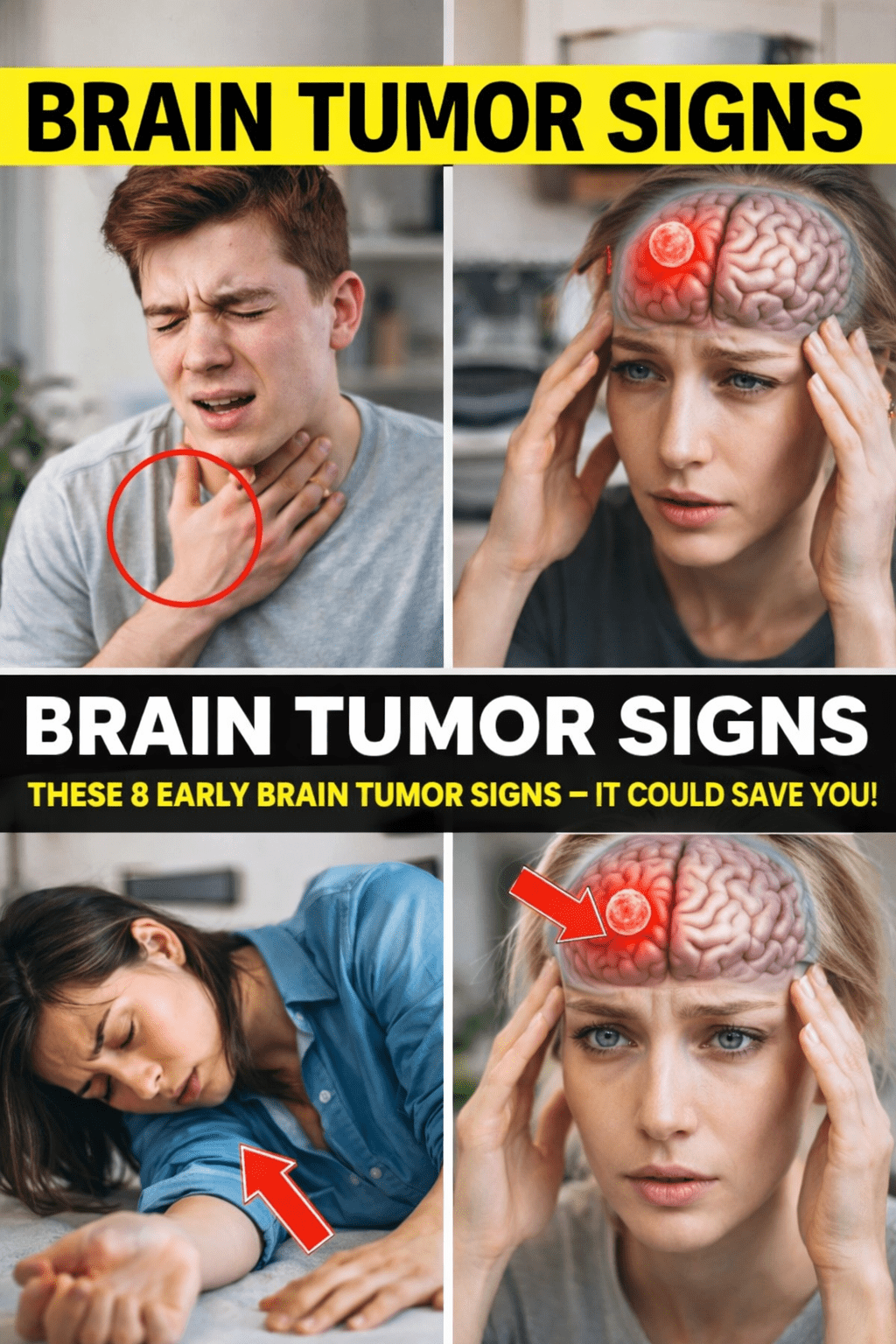
Why These Early Signs Are So Often Overlooked
Brain tumors don’t always announce themselves dramatically. Symptoms arise from pressure on surrounding tissues or disruption of normal brain function, and they vary based on the tumor’s location, size, and growth rate. Slow-growing ones can cause gradual shifts over months, while faster ones bring quicker changes. Research from major cancer organizations shows many people first attribute these to aging, anxiety, lack of sleep, or routine ailments. This delay happens because single symptoms rarely scream “emergency” — it’s the combination or persistence that raises concern. Understanding this helps explain why awareness matters without causing unnecessary alarm.
The 8 Most Commonly Dismissed Early Signs
Here are the key warning signs drawn from reliable medical sources. Remember, these can stem from many benign causes, but patterns warrant a check-up.
8. Persistent or Worsening Headaches Headaches rank among the most reported early clues, often worse in the morning or when changing position like bending over. Unlike typical tension headaches, they may not respond well to usual remedies and can feel like pressure rather than throbbing. Studies note that tumor-related headaches tend to evolve over time, becoming more frequent or intense. If your pattern shifts noticeably, track it.

7. Unexplained Nausea or Vomiting Morning queasiness without a clear reason — no stomach bug or bad meal — can signal increased intracranial pressure. This often pairs with headaches and eases later in the day. The American Cancer Society highlights this as a classic general symptom when tumors affect fluid flow or pressure in the skull.
6. Subtle Changes in Memory or Concentration Forgetting recent conversations, struggling with familiar tasks, or feeling mentally foggy might seem like normal overload. Yet when these build steadily, they can relate to tumors impacting areas for cognition and memory. The Mayo Clinic lists confusion or decline in brain function as common, especially with certain tumor locations.
5. Noticeable Shifts in Personality or Mood Becoming unusually irritable, withdrawn, or apathetic about hobbies — changes others spot first — can occur with frontal lobe involvement. Family often notices before the person does. These aren’t always dramatic but can feel like a “different you” over weeks.
4. Vision Disturbances Blurriness, double vision, or loss of peripheral sight might prompt thoughts of needing new glasses. Pressure on optic pathways causes these, per Cleveland Clinic insights. When combined with other neurological changes, it’s more concerning.
3. New or Unexplained Seizures Even mild episodes like brief staring, odd sensations, or jerks — without prior epilepsy history — demand prompt attention. Up to half of brain tumor cases involve seizures at some point, often as an early or first sign according to the American Cancer Society.
2. Weakness, Numbness, or Balance Issues Slight one-sided heaviness, clumsiness, or stumbling can develop gradually. You might blame fatigue or poor sleep, but persistent focal changes, especially unilateral, flag potential motor area effects.
1. A Cluster of Symptoms Appearing Together The biggest red flag? Multiple signs developing over time — like morning headaches plus nausea, mild confusion, and vision tweaks. Any one might be harmless, but the pattern increases likelihood of needing evaluation. Survivors often reflect they wish they’d noticed the combination sooner.

Quick Comparison: Common Causes vs. When to Pay Closer Attention
- Headache — Often stress or dehydration; more concerning if progressive, morning-dominant, unresponsive to OTC meds.
- Nausea/Vomiting — Usually dietary or viral; worrisome with headache and no GI explanation.
- Memory/Confusion — Fatigue or multitasking; progressive with other neuro changes stands out.
- Mood/Personality — Life stress; sudden or marked shifts noticed by others.
- Vision Changes — Eye strain; plus headache or field loss raises flags.
- Seizures — Rare in adults without history; any new one needs immediate check.
- Weakness/Balance — Minor injury; one-sided and worsening without cause.
What Practical Steps Can You Take Right Now?
If you’re noticing one or more of these persistently:
- Keep a simple symptom journal — note frequency, timing, triggers, and severity for a week or two.
- Discuss with your primary care provider — share your log and any patterns.
- Don’t delay if symptoms worsen quickly or include new seizures — seek urgent care.
- Consider lifestyle factors first — hydration, sleep, stress management — but use them alongside professional input.
Early consultation often involves a neurological exam and possibly imaging like MRI for clarity.
Key Takeaways and One Surprising Insight
Most of these signs have everyday explanations, and brain tumors remain uncommon. Yet patterns matter — listening to your body when things feel persistently “off” empowers better outcomes. Surprisingly, many sources note symptoms can linger for months before diagnosis, a window where awareness leads to earlier discussions with doctors.
FAQ
What is the most common early symptom of a brain tumor? Headaches top the list, often in the morning or worsening over time, though most headaches aren’t tumor-related.
Can stress or anxiety cause similar symptoms? Yes — stress mimics many signs like headaches, fog, or mood shifts. A doctor helps differentiate.
When should I see a doctor about possible brain tumor signs? If symptoms are new, persistent, worsening, or cluster — especially with seizures or one-sided weakness — consult promptly.
This article is for informational purposes only and is not a substitute for professional medical advice. Brain tumor symptoms can have many causes, most benign. If you’re concerned, please consult a healthcare provider right away. Early evaluation can provide peace of mind or guide next steps.


