Many people notice fine lines and dryness becoming more visible over time, especially after 50 or 60. It can feel frustrating when moisturizers alone don’t seem to make much difference, and the reflection in the mirror starts to feel unfamiliar. The good news is that certain everyday habits from Japanese lifestyle and diet have been associated with healthier-looking skin in studies of longevity. Keep reading to discover eight simple practices that might make a noticeable difference—and there’s one surprising daily ritual at the end that ties everything together.
Why Japanese Skin Care Habits Attract So Much Attention
Japan is home to some of the longest-lived populations in the world, and researchers often point to diet and lifestyle as key factors. Studies, including those published in journals like the British Journal of Dermatology, have observed that traditional Japanese eating patterns rich in antioxidants and omega-3 fatty acids correlate with better skin hydration and elasticity over time.
These habits aren’t complicated routines or expensive products. They’re small, consistent choices that add up.
But that’s not all…
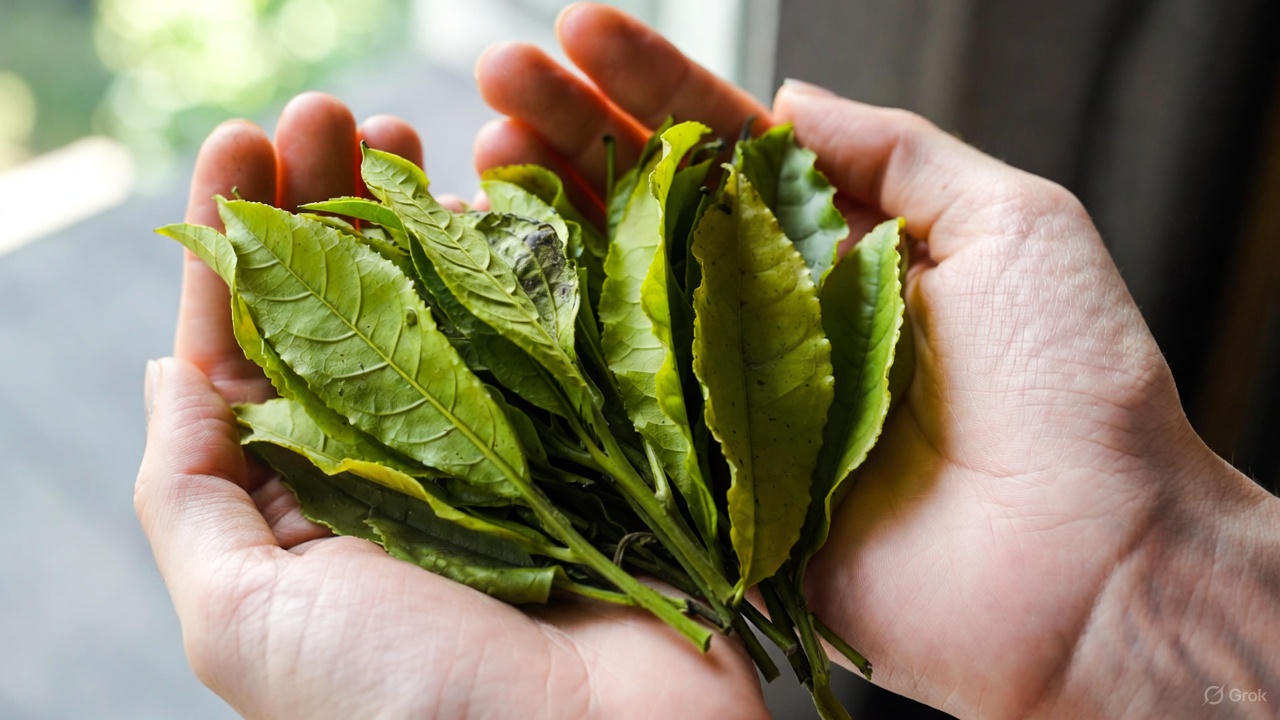
1. Start the Day with Green Tea
Green tea is a daily staple in many Japanese households. It contains polyphenols, particularly catechins, that research in the Journal of Nutritional Biochemistry suggests may help protect skin cells from oxidative stress.
Simple way to add it:
- Brew one to three cups of high-quality green tea daily.
- Choose sencha or matcha for higher antioxidant content.
- Drink it plain or with a touch of lemon—no added sugar.
The warmth also feels comforting first thing in the morning.
2. Include Fermented Foods Regularly
Foods like miso, natto, and pickled vegetables are common in Japanese meals. These fermented items provide probiotics that studies in Gut Microbes link to reduced inflammation throughout the body, including the skin.
Here’s an easy list to get started:
- Miso soup with breakfast or dinner
- A small portion of natto over rice
- Homemade or store-bought tsukemono (pickles) as a side
Even adding one fermented food per day can become a sustainable habit.
3. Eat More Omega-3-Rich Fish
Fatty fish such as salmon, mackerel, and sardines appear frequently in traditional Japanese cuisine. The omega-3 fatty acids EPA and DHA have been studied extensively, with research in the American Journal of Clinical Nutrition showing potential benefits for skin hydration and barrier function.
Tip: Aim for fatty fish two to three times per week. If fish isn’t an option, consider algae-based omega-3 supplements after checking with your doctor.
4. Enjoy Colorful Vegetables at Every Meal
Japanese meals often feature a rainbow of vegetables—seaweed, sweet potatoes, daikon, and leafy greens. These provide vitamins A, C, and E, which population studies associate with better overall skin appearance.
Quick ideas:
- Add nori sheets to soups or salads
- Roast kabocha squash with a little olive oil
- Stir-fry spinach with garlic and sesame
The variety keeps meals interesting and nutrient-dense.
Here’s the interesting part…
5. Practice Mindful Eating Habits
In Japan, the concept of “hara hachi bu”—eating until 80% full—is common. Eating slowly and stopping before feeling completely full may help maintain stable blood sugar, which some dermatology research links to fewer inflammation-related skin concerns.
Try this:
- Put chopsticks down between bites.
- Chew each bite 15–20 times.
- Eat without screens to stay present.
Small changes like these can feel surprisingly satisfying.
6. Stay Gently Active Every Day
Walking, light stretching, and radio taiso (daily radio exercises) are part of many Japanese routines. Regular gentle movement supports circulation, which in turn helps deliver nutrients to skin cells.
No gym required—just 20–30 minutes of walking or simple stretching daily can make a difference over months.
7. Prioritize Sleep and Stress Management
Getting consistent, quality sleep is highly valued in Japanese culture. Research in Sleep Medicine Reviews shows that poor sleep can affect skin recovery and collagen production.
Helpful habits:
- Keep a regular sleep schedule
- Dim lights an hour before bed
- Try a short evening wind-down with herbal tea
Your skin repairs itself most effectively during deep sleep.
8. The Surprising Daily Ritual: Warm Rice Water Rinse
Here’s the one many people find unexpected. After cooking rice, the cloudy water left behind (known as rice bran water or tochisui) has been used traditionally in Japan as a gentle facial rinse.
Rice water contains ferulic acid and other compounds that lab studies suggest may have antioxidant properties. Many people report their skin feels softer after consistent use.
How to try it safely:
- Cook rice as usual (preferably brown or white Japanese rice).
- Strain the cloudy water and let it cool to room temperature.
- Gently splash or pat onto clean skin.
- Rinse with plain water after a few minutes if desired.
- Use 2–3 times per week to see how your skin responds.
Always patch-test first, and stop if any irritation occurs.

Bringing It All Together
These eight habits—green tea, fermented foods, omega-3-rich fish, colorful vegetables, mindful eating, gentle movement, good sleep, and the occasional rice water rinse—reflect simple, time-tested practices that may support healthier-looking skin over the years.
The beauty of this approach is that none require drastic changes. Start with one or two that feel easiest, then add more as they become routine.
Consistency matters more than perfection.
Frequently Asked Questions
Can these habits completely prevent wrinkles?
No lifestyle change can completely prevent natural aging, but research suggests a nutrient-rich diet and healthy habits may help maintain smoother, more radiant skin for longer.
How long until I notice any difference?
Most people report subtle improvements in hydration and glow within 4–8 weeks when adopting several of these habits consistently. Results vary by individual.
Are these habits safe for sensitive skin?
Generally yes, as they focus on gentle foods and routines. However, always introduce new foods or topical practices slowly and watch for reactions.
Disclaimer: This article is for informational purposes only and is not medical advice. Please consult your healthcare provider before making significant changes to your diet or skincare routine, especially if you have existing health conditions.