
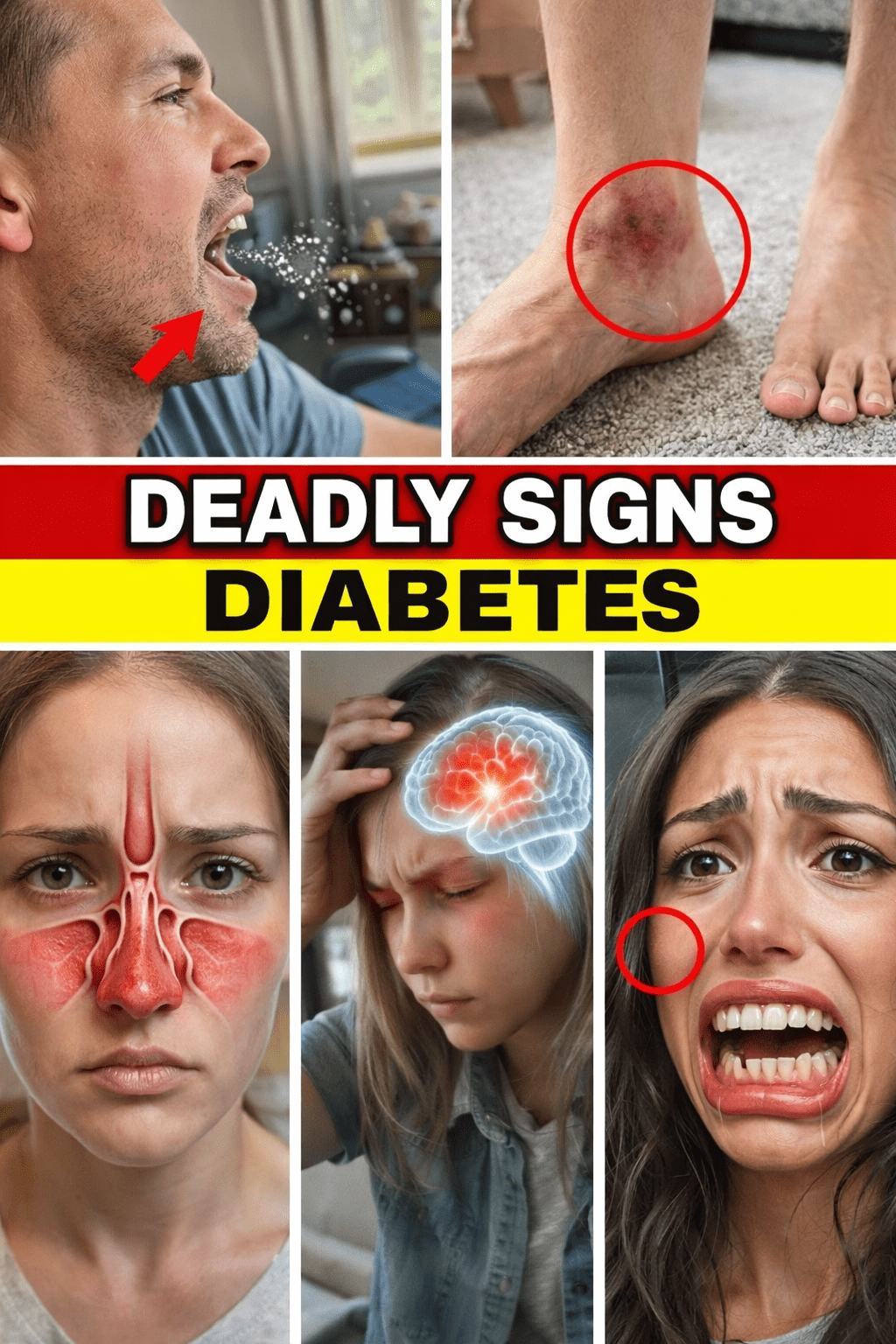
Diabetic ketoacidosis (DKA) is a serious and potentially life-threatening complication that can develop in people with diabetes, especially when blood sugar levels rise too high and insulin is insufficient. Many people overlook the early signals because they resemble common issues like dehydration or the flu. This oversight can allow the condition to progress rapidly, sometimes within 24 hours, leading to severe consequences. Research from sources like the Mayo Clinic and CDC shows that recognizing these signs early and acting promptly makes a significant difference. In this guide, we’ll explore the most important warning signs, why they happen, and simple steps you can take to stay prepared — plus one crucial habit that could buy precious time.
What Exactly Is Diabetic Ketoacidosis and Why Does It Happen So Quickly?
DKA occurs when your body lacks enough insulin to use glucose for energy, so it starts breaking down fat instead. This process produces ketones, which build up in the blood and make it acidic. Studies indicate that DKA most commonly affects those with type 1 diabetes, but it can also occur in type 2 under stress, illness, or missed medication. The onset can be fast — often within a day — triggered by infections, missed insulin doses, or other stressors. Understanding this helps explain why quick recognition matters so much.
But that’s not all… let’s dive into the signs that your body might be sending right now.
The 8 Key Warning Signs of DKA
Here are the most commonly reported symptoms, based on trusted medical sources like Mayo Clinic and Cleveland Clinic. These often appear together and worsen quickly.
1. Extreme Thirst That Doesn’t Go Away You feel constantly parched, no matter how much water you drink. High blood sugar pulls fluids from your tissues, triggering intense thirst as an early alert.
2. Frequent Urination, Day and Night Bathroom trips increase dramatically, even waking you multiple times. Your kidneys work overtime to remove excess sugar, drawing out more fluid.
3. Fruity or Acetone-Like Breath A sweet, unusual scent on your breath that others might notice first. This comes from ketones being exhaled as your body tries to compensate for acidity.
4. Sudden, Unexplained Weight Loss Losing pounds quickly without changing diet or exercise. Calories are flushed out in urine, and fat breakdown accelerates the process.
5. Nausea, Vomiting, and Stomach Pain Feeling queasy, with possible vomiting and abdominal discomfort. Acid buildup irritates the digestive system, often mistaken for a stomach bug.
6. Rapid or Deep Breathing Shortness of breath or fast, labored breathing (known as Kussmaul breathing). Your lungs attempt to blow off excess acid.
7. Severe Fatigue and Weakness Overwhelming tiredness that makes everyday tasks feel impossible. Cells starve for usable energy despite high glucose levels.
8. Confusion or Trouble Focusing Mental fog, difficulty concentrating, or feeling disoriented. This is a later, more urgent sign as the brain struggles with the crisis.
Here’s a quick comparison table to help spot the difference:
| Symptom | Possible Everyday Cause | DKA Red Flag When Combined With… |
|---|---|---|
| Extreme thirst | Hot weather, exercise | Frequent urination + fatigue |
| Fruity breath | Diet or oral hygiene | Nausea + rapid breathing |
| Unexplained weight loss | Stress or new routine | Sudden onset + high thirst |
| Nausea/vomiting | Flu or food issue | Abdominal pain + confusion |
If several of these ring true, especially with known diabetes, don’t wait — seek medical help right away.

Why These Signs Matter: Real-World Triggers and Risk Factors
Common triggers include illness (like flu or infection), skipping insulin, insulin pump issues, or certain medications. Research shows hospitalization rates for DKA have fluctuated, but timely awareness reduces risks. Those with type 1 diabetes face higher chances, and it can even be the first clue of undiagnosed diabetes.
Practical Steps You Can Take Today to Stay Ahead
Follow these actionable tips to monitor and respond:
- Check your blood sugar regularly, especially when sick or stressed.
- Test for ketones (using urine strips or blood meters) if glucose stays above 250 mg/dL.
- Stay hydrated — drink water consistently to help flush excess sugar.
- Never skip insulin or diabetes medications without guidance.
- Have a “sick day” plan from your healthcare team ready.
- Keep ketone test supplies handy at home.
These habits, backed by guidelines from the American Diabetes Association, empower you to catch issues early.

What Should You Do If You Notice These Signs?
If symptoms appear, contact your healthcare provider immediately or head to the emergency room. Tests like blood sugar, ketone levels, and acid-base balance confirm DKA. With prompt care, including fluids and insulin, most people recover well. Prevention through daily management is the best defense.
FAQ: Common Questions About Diabetic Ketoacidosis Warning Signs
What is the biggest early warning of DKA? Extreme thirst combined with frequent urination often appears first, signaling high blood sugar pulling fluids from the body.
How fast can DKA symptoms develop? Symptoms can start subtly and escalate within 24 hours, especially if vomiting begins or during illness.
Can people with type 2 diabetes get DKA? Yes, though less common, it can happen during severe stress, infection, or certain medications.
This article is for informational purposes only and is not a substitute for professional medical advice. Diabetic ketoacidosis is a medical emergency — if you experience these symptoms, seek immediate care from a healthcare provider.


