
Feeling bloated, uncomfortable, and sluggish because things just aren’t moving as they should? Occasional irregularity in bowel movements is something many people experience from time to time, often due to busy schedules, low fiber intake, dehydration, or lack of movement. It can leave you feeling heavy, low on energy, and frustrated with your daily routine. The good news is that small, everyday changes to your diet and lifestyle can make a noticeable difference in supporting your digestive comfort and encouraging more consistent patterns.
In this guide, you’ll discover practical, evidence-based approaches that many people find helpful for maintaining better gut health. Stick around until the end for a surprising daily habit that research suggests can gently support your system in unexpected ways.

Why Focus on Natural Approaches for Digestive Support?
Research shows that lifestyle factors play a key role in how smoothly your digestive system works. Studies from trusted sources like the National Institute of Diabetes and Digestive and Kidney Diseases (NIDDK) highlight that adequate fiber and hydration are foundational for softer, easier-to-pass stools. Adding more whole foods and simple routines can help your body do what it does best naturally.
But that’s not all—combining these habits often brings the best results. Let’s dive into eight approachable ways to get started.
1. Boost Your Daily Fiber Intake Gradually
Fiber is one of the most researched elements for supporting regularity. Adults generally aim for 22–34 grams per day, depending on age and sex, according to health guidelines.
There are two types:
- Insoluble fiber adds bulk and helps food move through the intestines.
- Soluble fiber forms a gel-like substance that softens stools.
Start slowly to avoid bloating—add 5 grams extra per day and drink more water.
Here are some high-fiber food ideas:
- Whole grains like oats or brown rice
- Legumes such as lentils and chickpeas
- Vegetables including broccoli and carrots
- Fruits like apples (with skin) and pears
2. Stay Well-Hydrated Throughout the Day
Water works hand-in-hand with fiber. Without enough fluids, even high-fiber foods can lead to harder stools. Aim for at least 8–10 glasses of water daily, more if you’re active.
Try this simple routine:
- Start your morning with a large glass of warm water
- Sip throughout the day rather than gulping large amounts at once
- Include herbal teas or infused water for variety
Studies suggest proper hydration helps fiber work more effectively in the digestive tract.
3. Incorporate Prunes or Prune Juice Mindfully
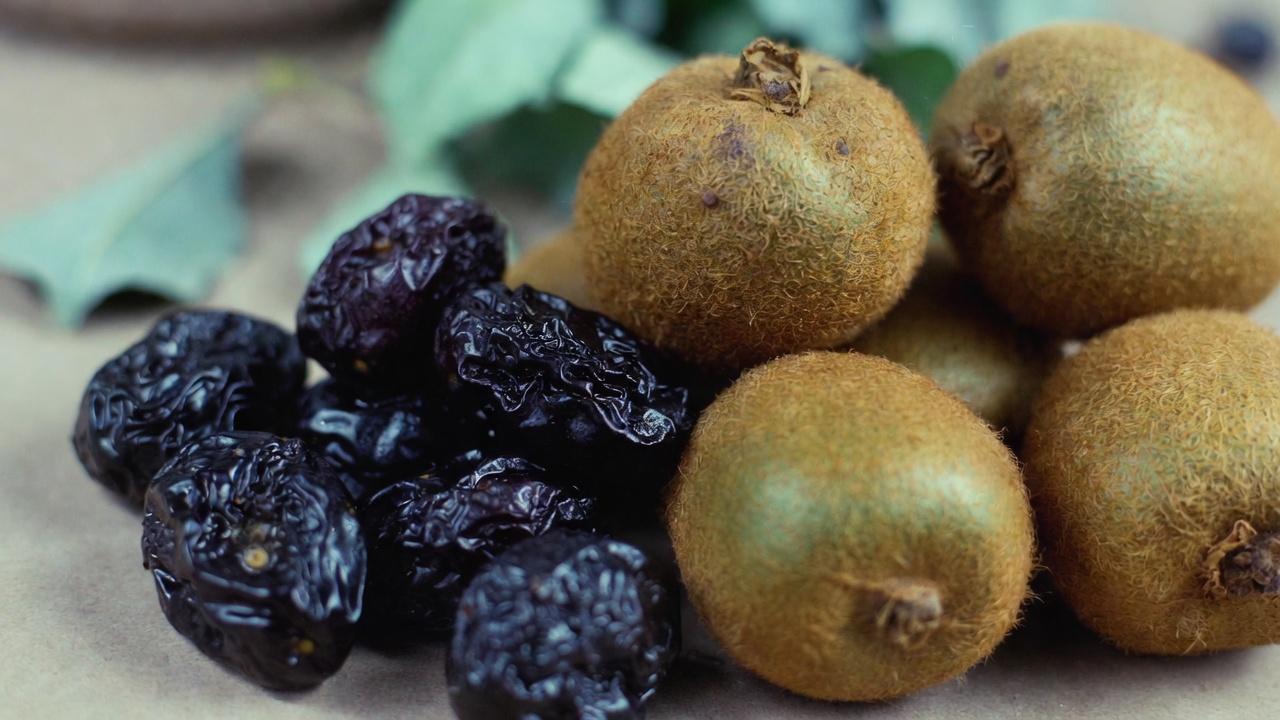
Prunes (dried plums) have earned their reputation through multiple studies. They contain both fiber and a natural compound called sorbitol, which can gently draw water into the intestines.
A common starting point is 4–6 prunes or a small glass of prune juice daily. Many people notice a difference within a few days when combined with other habits.
Here’s a quick comparison of popular options:
| Food/Drink | Fiber per Serving (approx.) | Key Benefit |
|---|---|---|
| Prunes (5 pieces) | 3 grams | Natural sorbitol + fiber |
| Apple (medium) | 4–5 grams | Pectin for gentle softening |
| Kiwi (2 fruits) | 5 grams | Enzymes + fiber for regularity |
4. Add More Movement to Your Routine
Physical activity stimulates the muscles in your digestive tract, promoting natural contractions (peristalsis). Even light exercise helps.
Try these easy steps:
- Take a 15–20 minute walk after meals
- Do gentle yoga poses focused on the core
- Stand and stretch every hour if you sit a lot
Research from health organizations shows regular movement supports overall digestive comfort.
5. Try Kiwi Fruit as a Daily Addition
Recent studies have explored kiwi for its potential to support bowel habits. With both soluble and insoluble fiber, plus natural enzymes, two kiwis a day may help encourage regularity.
Eat them fresh, peeled or unpeeled, as a snack or in smoothies. It’s a tasty, low-effort way to add variety.
6. Explore Flaxseeds for Gentle Support
Ground flaxseeds provide omega-3s and fiber. Start with 1 tablespoon mixed into yogurt, oatmeal, or smoothies, gradually increasing as tolerated.
They absorb water, helping to soften things naturally. Always pair with plenty of fluids.
7. Enjoy a Warm Beverage in the Morning
Many people find that a hot drink first thing stimulates the digestive system. Coffee or plain warm water can encourage movement due to temperature and mild stimulation.
One cup in the morning, followed by breakfast, often sets a positive tone for the day.
8. Build a Consistent Bathroom Routine
Your body thrives on predictability. Try sitting on the toilet at the same time daily, especially after breakfast when natural signals are strongest.
Relax, don’t strain, and consider a small footstool to mimic a squatting position—this aligns the body for easier passage.
Here’s the interesting part many overlook: Consistency in these small habits often compounds over time. One study on dietary patterns found that people who combined fiber-rich foods with daily movement reported the most sustained improvements in comfort.
Wrapping It Up: Small Changes, Big Support
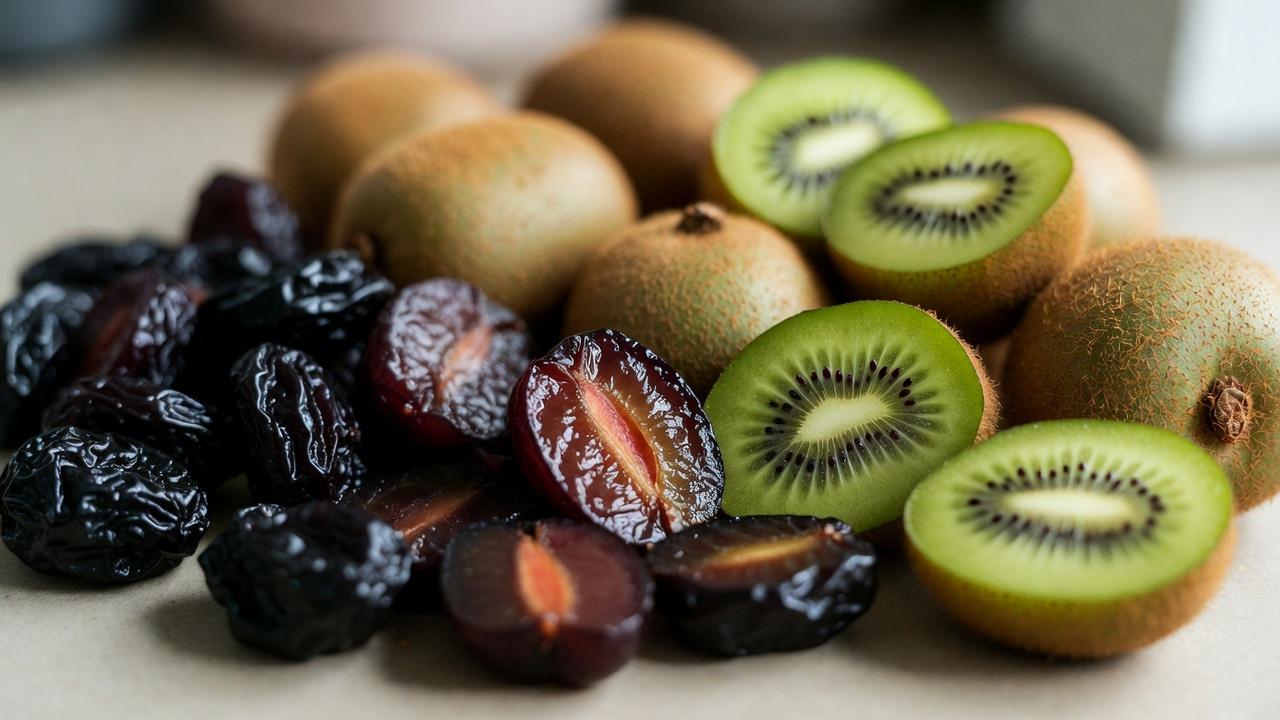
Supporting your digestive health doesn’t require drastic overhauls. By focusing on fiber, hydration, movement, and simple foods like prunes or kiwis, you can encourage more regular patterns naturally. Start with one or two changes today and build from there.
Remember, everyone’s body responds differently—what works best is what feels sustainable for you.
FAQ
How long does it take for natural habits to help with regularity? Many people notice improvements within a few days to a week, especially with increased water and fiber. Consistency is key for longer-term benefits.
Is it safe to increase fiber suddenly? It’s better to add it gradually to prevent gas or bloating. Pair it with extra fluids for the smoothest transition.
When should I talk to a healthcare professional about digestive concerns? If irregularity persists despite lifestyle changes, or if you experience pain, blood, or sudden changes, consult a doctor for personalized advice.
Disclaimer: This article is for informational purposes only and not intended as medical advice. Always consult a healthcare professional before making significant dietary changes, especially if you have underlying health conditions.


