
You love bananas for their convenience, natural sweetness, and quick energy boost, but sometimes they leave you feeling hungry again too soon or cause a bit of digestive discomfort. Many everyday ways of eating and storing bananas can subtly affect how your body responds to their natural sugars, fiber, and nutrients. The good news? Small, realistic changes can make a big difference in supporting steadier energy and better overall comfort.
In this guide, we’ll explore eight common banana habits that might be holding you back — and share gentle, practical ways to enjoy them more effectively. Stick around until the end for a surprising tip that turns “waste” into something useful.

Why Banana Ripeness Matters More Than You Think
Bananas change dramatically as they ripen. Research shows that greener bananas contain more resistant starch, which digests slowly and supports steadier blood sugar responses compared to very ripe ones, where starches convert to simple sugars.
Mistake #1: Always Reaching for Super-Ripe, Spotty Bananas
Very ripe bananas taste sweeter because the starch has mostly turned into sugar. This can provide a fast energy lift, but for many, it leads to quicker hunger returns or less stable energy throughout the day.
Gentle fix: Opt for yellow bananas with just a touch of green at the tips. These offer more filling resistant starch and a gentler impact on energy levels. Studies indicate less-ripe bananas have a lower glycemic index, making them a smarter choice for sustained satisfaction.
If you end up with very ripe ones, don’t toss them — freeze them for smoothies!
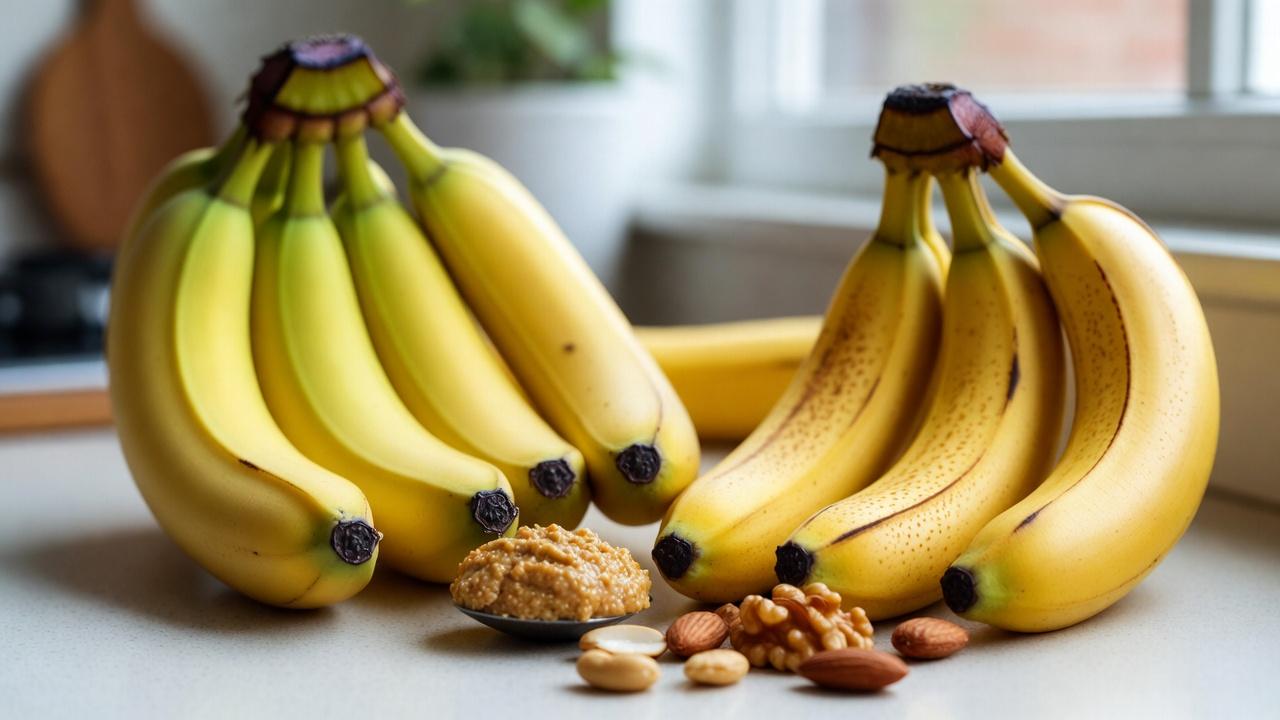
Here are a couple of realistic examples of banana ripeness stages to help you choose:
This photo shows a bunch of perfectly yellow bananas with slight green tips — ideal for balanced energy.
And here’s a contrast with very ripe, spotted ones ready for freezing:
Notice the difference in color and texture — both nutritious, but suited for different moments.
Pairing Bananas the Right Way for Lasting Fullness
Eating a banana solo is convenient, but its carbs digest quickly on their own.
Mistake #2: Treating Bananas as a Standalone Snack
Without added protein or healthy fats, the natural sugars release fast, which can lead to energy dips for some people.
Gentle fix: Always pair your banana. Try these simple combinations:
- A tablespoon of nut butter (like almond or peanut)
- Plain Greek yogurt or kefir
- A small handful of nuts or seeds
This slows digestion and promotes steadier energy, as supported by nutrition insights on combining carbs with protein and fats.
Portion and Variety: The Keys to Balance
Bananas are nutrient-packed, but balance matters with any carb-rich food.
Mistake #3: Over-Relying on Bananas Every Single Day
Eating one (or more) daily without variety can limit broader nutrient intake.
Gentle fix: Stick to one medium banana per serving. Rotate with other fruits like berries, apples, or citrus for diverse vitamins and antioxidants.
Don’t Overlook the Peel
Most people peel and discard without a second thought.
Mistake #4: Throwing Away the Nutrient-Rich Peel
Banana peels contain fiber, antioxidants, and other plant compounds — more fiber than the fruit itself in some cases.
Gentle fix: If your bananas are organic and thoroughly washed, consider using the peels in creative ways: blend into smoothies, make infusions, or even compost them. No pressure — even small waste-reduction steps count.
Storage Secrets to Extend Freshness
Improper storage speeds up ripening and spoilage.
Mistake #5: Storing Bananas Next to Other Fruits
Bananas release ethylene gas, which accelerates ripening in nearby apples, avocados, and more.
Gentle fix: Keep bananas separate on the counter or hang them. Once ripe, refrigerate to slow further changes — the peel may darken, but the fruit stays good longer.
Post-Activity Recovery Done Right
Bananas provide potassium and quick carbs after movement.
Mistake #6: Depending on Bananas Alone After Exercise
Sweat depletes fluids and minerals — fruit sugar helps, but it’s not complete recovery.
Gentle fix: Combine with protein, fluids, and perhaps a pinch of salt in a meal. This supports better rehydration and muscle comfort.
Listen to Your Body’s Preferences
One size doesn’t fit all.
Mistake #7: Sticking to the Same Ripeness Every Time
Your digestion and comfort vary — firm or soft textures affect how bananas feel.
Gentle fix: Experiment: firmer for some, softer for others. Let your own energy and digestion guide you.
The Bigger Picture: No Single Food Does It All
Bananas support wellness, but they’re part of a bigger routine.
Mistake #8: Viewing Bananas as a Magic Fix
No fruit replaces balanced eating, rest, movement, and hydration.
Gentle fix: Use bananas as a supportive element: in smoothies, with meals, or as a snack in a varied, colorful diet.
Try This Easy 7-Day Mindful Banana Routine
- Day 1-7 mornings: Banana + protein (yogurt, eggs, or nuts)
- Afternoons: Switch to other fruits for variety
- Workout days: Pair banana with a balanced meal
- Very ripe bananas: Freeze for later smoothies
- Daily note: Tune into your energy and digestion
Final Thoughts
Bananas aren’t the issue — it’s often the small habits around them. With these simple tweaks, you can enjoy this popular fruit in ways that feel more supportive and enjoyable. No extremes, just mindful choices for better daily comfort.
FAQ
1. Are greener bananas really better for steady energy? Yes — research shows less-ripe bananas have more resistant starch and a lower glycemic impact, helping with gradual energy release.
2. Can I eat banana peels safely? Thoroughly washed organic peels are edible and nutrient-dense (high in fiber and antioxidants), though most people cook or blend them for better texture.
3. How should I store bananas to make them last longer? Keep them away from other ethylene-producing fruits, hang or separate them, and refrigerate once ripe.
Disclaimer: This article is for informational purposes only and not a substitute for professional medical advice. Consult a healthcare provider for personalized guidance.


