
As you pass 60, little things like feeling more tired than usual or getting slightly out of breath can start to feel like a normal part of life. You might push through the day, telling yourself it’s just age catching up or the result of a busy schedule. Yet these everyday sensations sometimes carry a deeper message from your heart that deserves attention. The good news is that understanding them better can help you stay one step ahead, and there’s one surprising clue waiting at the end that catches many people off guard.
Why Heart Attack Symptoms Can Change After Age 60
Getting older brings natural changes to the body. Arteries gradually lose some flexibility, and common conditions like high blood pressure or diabetes can affect how the heart responds to stress.
Research from the American Heart Association shows that adults over 60 often experience milder or atypical symptoms rather than the dramatic chest pain we usually picture. Women and seniors tend to notice these subtler signals more frequently.
This difference happens because nerve pathways can shift with age, and the heart may signal distress in less obvious ways. Becoming familiar with these patterns helps you respond wisely.
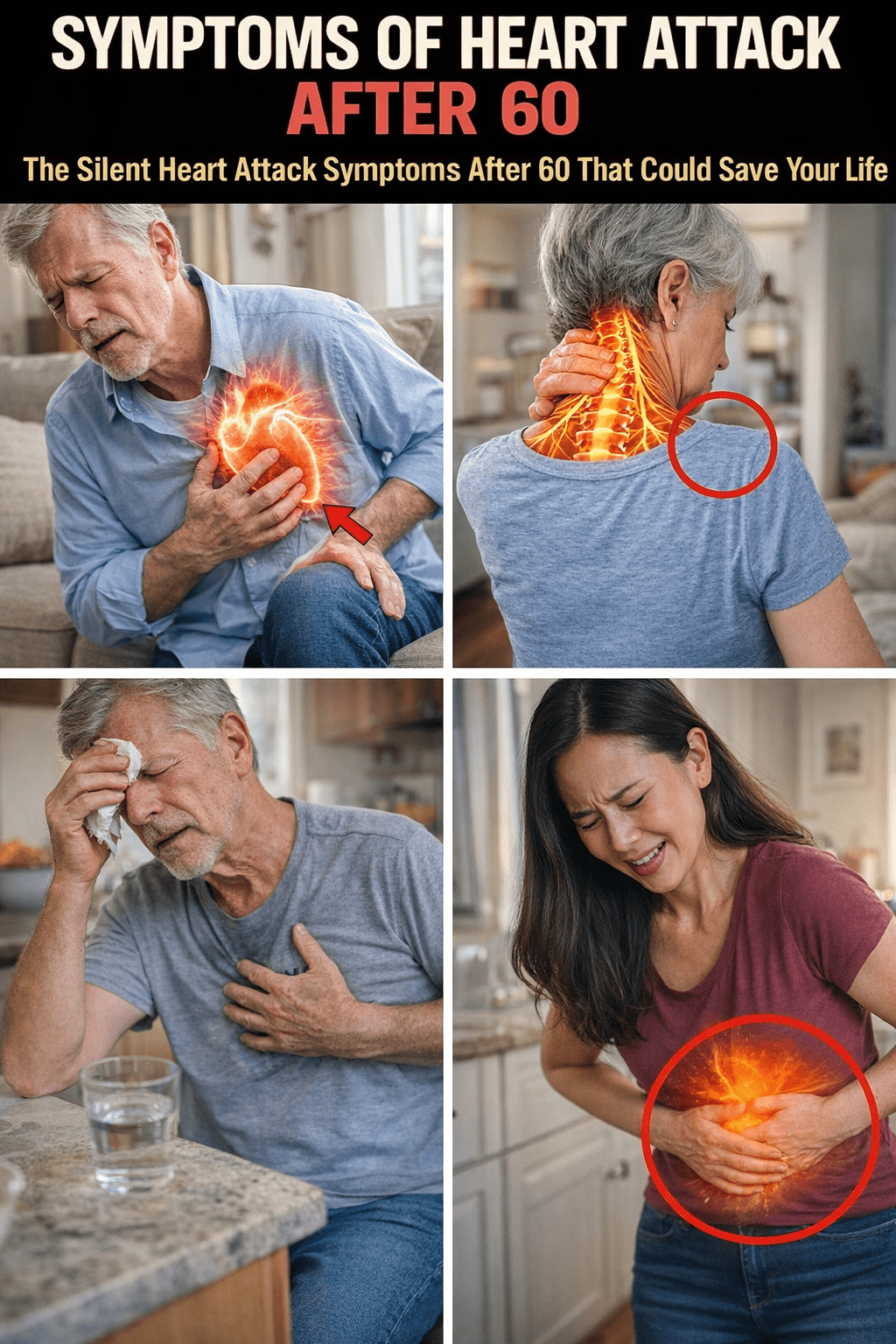
The 8 Subtle Signs You Might Be Overlooking
These signs come from guidance by trusted organizations like the Mayo Clinic, American Heart Association, and National Institutes of Health. They often appear gradually in older adults and can easily blend into daily life.
- Unusual Fatigue That Arrives Suddenly
One moment you’re fine, and the next you’re completely drained after a simple task like folding laundry or climbing a few stairs. This isn’t the gentle tiredness after a long day; it can feel heavy and linger without explanation.
Studies highlight extreme fatigue as a frequent early signal in older adults, especially women, when the heart works harder to circulate blood. Many brush it off as poor sleep or stress.
But when it strikes out of nowhere and feels overwhelming, it’s worth paying closer attention.
- Nausea, Indigestion, or Stomach Discomfort
A lingering queasy feeling or mild heartburn that doesn’t tie to a recent meal can surprise you. These digestive-like sensations sometimes appear without any clear food trigger.
Experts explain that shared nerve connections between the heart and stomach can refer discomfort upward. This pattern shows up more often in seniors.
It’s tempting to blame dinner or coffee. Yet if it continues without an obvious cause, take note.
- Discomfort in the Neck, Jaw, Back, or Shoulders
A dull ache in the jaw while eating, tightness in the neck, or soreness across the upper back might feel like everyday tension. No recent workout or heavy lifting needed.
Research points out these areas as common spots for referred sensations when typical chest discomfort is mild or absent. It can mimic poor posture or a stiff muscle.
The difference lies in persistence without injury. Tracking timing and intensity helps spot patterns.
- Moments of Dizziness or Lightheadedness
Standing up and suddenly feeling unsteady, or brief waves of wooziness during quiet activities, can pass quickly. Reduced blood flow to the brain for even a short time may play a role.
The American Heart Association lists these as key indicators in older adults with atypical presentations. Common explanations include dehydration or low blood sugar.
When episodes repeat, especially alongside other changes, they deserve a closer look.
- Shortness of Breath Without Much Effort
Noticing you need deeper breaths while watching TV or chatting with a friend can feel odd. It might seem like the air just isn’t filling your lungs fully.
Studies show shortness of breath often stands out as the primary or only clue for many seniors during heart stress. The heart may struggle to move oxygen efficiently.
People often adapt by slowing down. Still, recognizing a shift from your usual breathing matters.
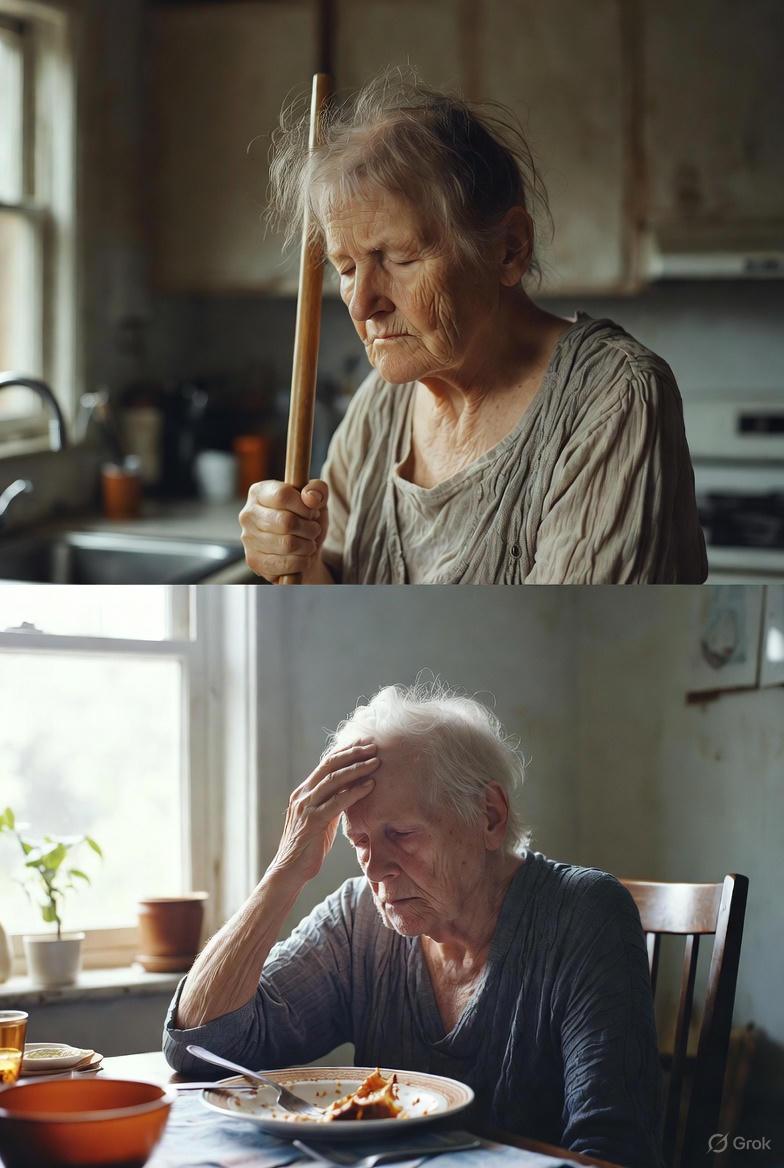
- Mild Pressure or Fullness in the Chest
A subtle heaviness or tightness in the center of the chest that comes and goes can feel more uncomfortable than painful. It might last a few minutes and ease with rest.
The Mayo Clinic describes this milder sensation as common with advancing age. Many compare it to indigestion or mild anxiety.
Recurrence and duration offer the biggest hints.
- Breaking Into a Cold Sweat
Suddenly feeling clammy or sweaty when you’re not warm or active can catch you by surprise. This reaction stems from the body’s natural stress response.
It’s often mild and quickly dismissed as nerves or a passing chill.
Paired with fatigue or discomfort, however, it gains importance.
- An Unexpected Sense of Anxiety or Unease
A sudden wave of worry or the feeling that something is seriously wrong, without any clear reason, can be unsettling. This intuitive alert sometimes arrives quietly.
Health experts recognize it as part of the body’s warning system during stress. Daily worries provide an easy explanation.
Here’s the interesting part: individual signs rarely appear alone. They often cluster, painting a clearer picture together.
Quick Comparison of Common Signs and Everyday Explanations
| Sign | Why It Might Happen After 60 | Often Mistaken For |
|---|---|---|
| Unusual Fatigue | Heart working harder to pump blood | Normal aging or lack of sleep |
| Shortness of Breath | Reduced oxygen delivery | Being out of shape or anxiety |
| Nausea or Indigestion | Shared nerve signals | Recent meal or stomach upset |
| Neck/Jaw/Back Discomfort | Referred sensations from heart | Muscle strain or bad posture |
| Dizziness | Brief drop in blood flow to brain | Dehydration or standing quickly |
| Mild Chest Pressure | Heart under extra strain | Gas or stress |
| Cold Sweat | Body’s stress response | Feeling chilly or nervous |
| Sense of Unease | Nervous system alert | Everyday worry |
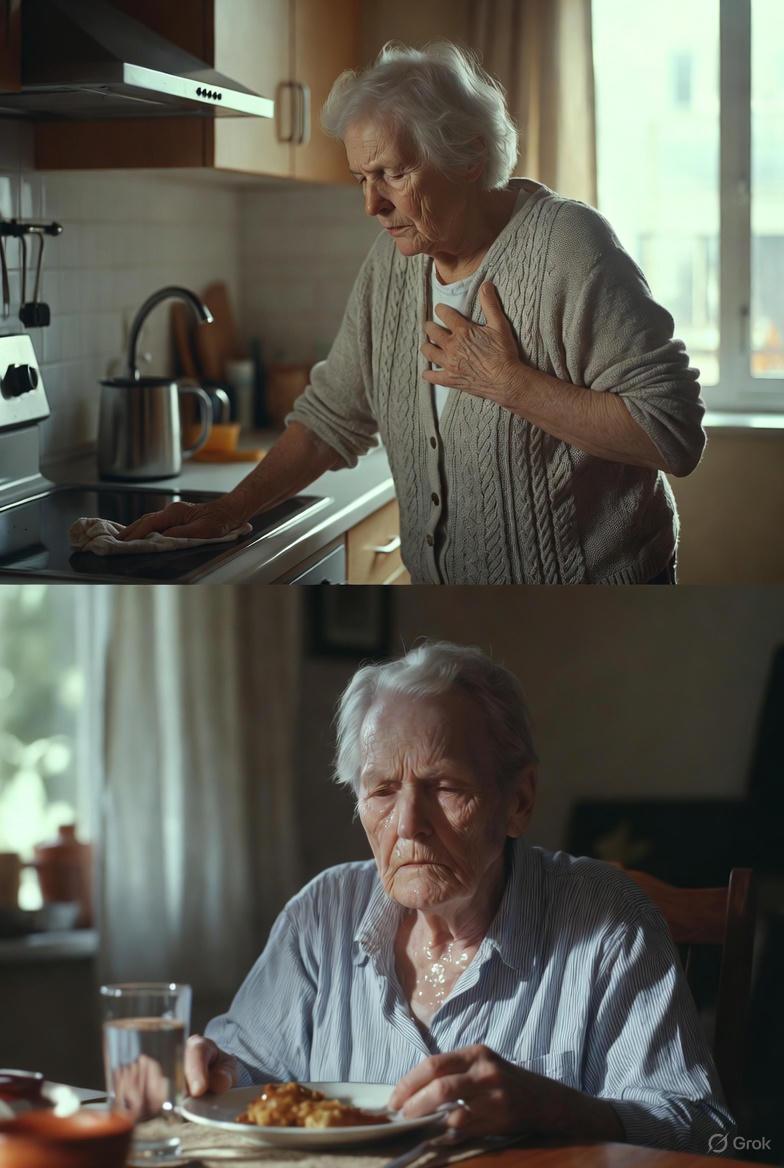
Real Stories That Bring These Signs to Life
A 68-year-old man felt unusually tired while gardening and noticed mild jaw discomfort. He thought it was the heat until shortness of breath persisted. A prompt checkup made all the difference.
Another example involves a 65-year-old woman who experienced nausea and cold sweats after dinner. She initially blamed the food, but recurring fatigue led her to seek advice quickly.
These experiences remind us how listening to small changes, especially in combination, supports better outcomes.
Simple Steps You Can Take Right Away
If you notice one of these signs occasionally, try these practical actions:
Keep a small notebook or phone note to track when symptoms appear, how long they last, and what you were doing.
Rest quietly and see if the feeling fades, but don’t ignore worsening or multiple signs together.
Contact emergency services without delay if discomfort becomes severe or sudden.
Schedule a routine checkup to discuss your observations and any family heart history.
Share what you’ve noticed with a trusted family member so they can help monitor changes.
Research consistently shows that acting promptly improves chances of positive results.
The Lesser-Known Clue That Surprises Many People
Even when pain feels minimal or absent, some heart events in older adults present almost silently, with only vague fatigue or breathing changes. This quiet nature explains why regular wellness visits remain so valuable, helping spot risks before symptoms grow stronger.
Now that you’ve explored these common yet subtle indicators, backed by leading health organizations, you have clearer tools to notice shifts in your own body. Awareness like this encourages meaningful conversations with your doctor.
Consider sharing these insights with loved ones over 60. A quick chat today could make a real difference tomorrow.
Frequently Asked Questions
What should I do if I notice just one of these signs from time to time?
Track it for a few days and mention it at your next doctor visit, especially if it returns or combines with others.
Are these signs different for men and women over 60?
Patterns overlap, but research suggests women more often report fatigue, shortness of breath, or nausea as primary clues.
How can I support my heart health as I get older?
Focus on balanced eating, gentle daily movement, stress management, and consistent medical checkups.
This article is for informational purposes only and is not a substitute for professional medical advice. Always consult your healthcare provider for guidance tailored to your personal health situation.
(Word count: 1,348)


