
Many people worry about their kidney health as they get older or notice changes like fatigue, swelling, or frequent trips to the bathroom. These quiet organs work tirelessly every day to filter waste, balance fluids, and keep blood pressure in check, but everyday habits like high-sodium diets or dehydration can make their job harder over time. The good news is that simple dietary choices can play a supportive role in maintaining healthy kidney function.
And here’s something interesting: certain everyday foods, backed by research, are particularly nutrient-rich and may offer extra benefits for your kidneys. Keep reading to discover eight of them and practical ways to add them to your meals.
Why Supporting Kidney Health Matters
Your kidneys filter about 200 quarts of blood daily, removing waste while retaining essential nutrients. Factors like high blood pressure, diabetes, and inflammation can strain them over time.
Research from organizations like the National Kidney Foundation shows that a diet rich in antioxidants, fiber, and anti-inflammatory compounds can help reduce these risks. These nutrients combat oxidative stress and support overall wellness.
But that’s not all—focusing on whole, plant-based foods often means lower sodium and better hydration, both key for kidney support.
The 8 Superfoods to Consider Adding to Your Diet
Here are eight foods frequently highlighted in studies for their potential to support kidney health. They’re packed with vitamins, minerals, and protective compounds.
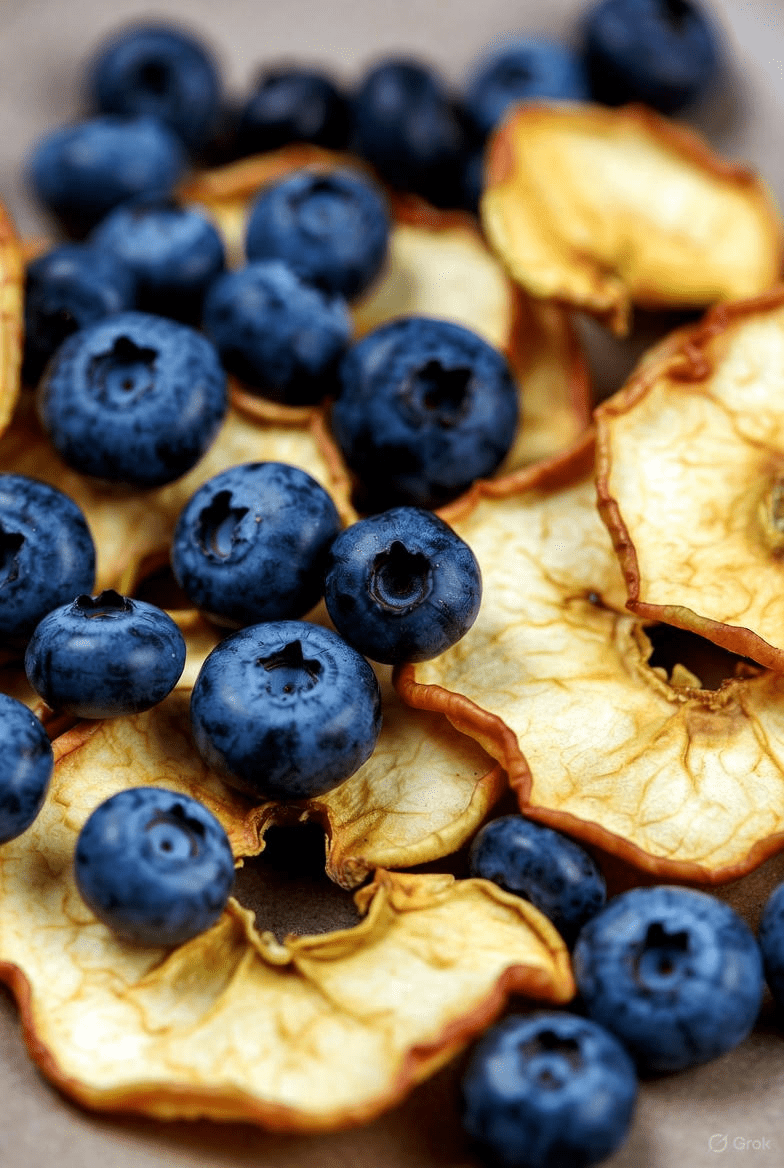
1. Blueberries and Other Berries
Berries like blueberries, strawberries, and cranberries are loaded with antioxidants called anthocyanins.
Studies suggest these compounds help reduce inflammation and protect cells from damage. Cranberries, in particular, may support urinary tract health by preventing bacteria from sticking to the bladder walls.
They’re also low in potassium compared to many fruits, making them a flexible choice.
Easy ways to enjoy them:
- Add a handful to oatmeal or yogurt
- Blend into smoothies
- Eat fresh as a snack
Aim for 1/2 to 1 cup a few times a week.
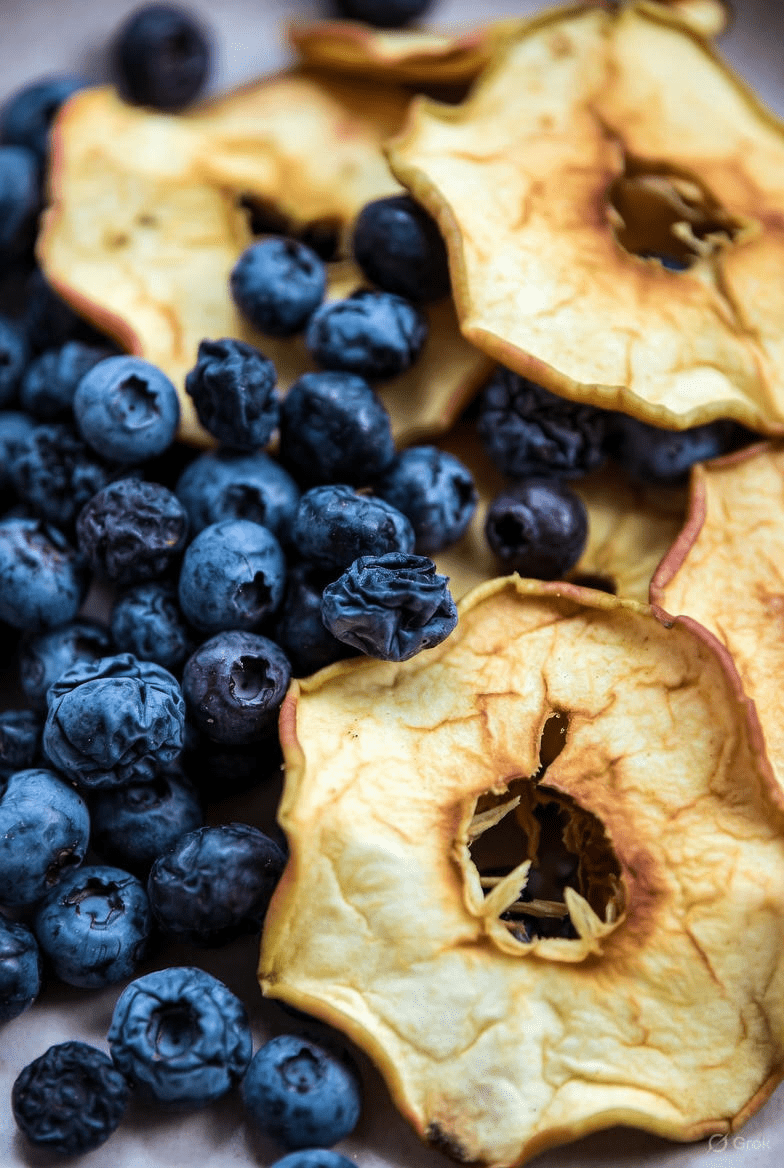
2. Apples
An apple a day might indeed be helpful—apples are high in soluble fiber called pectin, which research links to better cholesterol and blood sugar management.
Stable levels in these areas indirectly support kidney function, as high blood sugar and cholesterol are risk factors.
Plus, apples are hydrating and satisfying.
Simple tips:
- Slice and pair with a sprinkle of cinnamon
- Bake with a dash of nutmeg
- Add to salads for crunch
One medium apple makes a perfect portable snack.
3. Cabbage
This affordable cruciferous vegetable is rich in vitamins C and K, plus fiber.
It’s notably low in potassium, which is why sources like DaVita highlight it for kidney-friendly diets.
Cabbage also contains phytochemicals that may help the body process waste more efficiently.
Versatile ideas:
- Shred for coleslaw
- Stir-fry with garlic and olive oil
- Add to soups
A half-cup serving packs nutrients without overloading minerals.
4. Cauliflower
Another low-potassium star, cauliflower provides vitamin C, folate, and fiber.
It’s a great substitute for higher-carb foods and contains compounds like sulforaphane, which early research suggests has anti-inflammatory effects.
Creative swaps:
- Mash as a potato alternative
- Rice it for grain-free bases
- Roast with herbs
This versatility makes it easy to include regularly.
5. Garlic
Garlic adds flavor without sodium and contains allicin, a compound with potential anti-inflammatory properties.
Some studies indicate it may help maintain healthy blood pressure, a crucial factor for kidneys.
Quick uses:
- Mince fresh into dressings
- Roast whole bulbs
- Add to veggies or lean proteins
A clove or two per meal boosts taste and nutrients.
6. Olive Oil
As a healthy fat source, extra-virgin olive oil is rich in polyphenols and monounsaturated fats.
Research, including Mediterranean diet studies, links it to reduced inflammation and better heart health—both beneficial for kidneys.
Use it instead of butter or processed oils.
Daily ideas:
- Drizzle on salads
- Use for low-heat cooking
- Dip bread
A tablespoon or two goes a long way.
7. Red Bell Peppers
These vibrant veggies are low in potassium but high in vitamins C and A, plus antioxidants.
They add crunch and color while supporting immune function.
Fun ways:
- Stuff with quinoa and herbs
- Slice for snacks with hummus
- Roast for sides
Half a cup delivers big nutritional punch.
8. Onions
Onions provide quercetin, an antioxidant that may help reduce inflammation.
They’re also low-calorie flavor boosters.
Incorporation tips:
- Caramelize for depth
- Add raw to salads
- Sauté as a base
They pair well with many of the foods above.
Here’s a quick comparison of key nutrients in these superfoods (per typical serving):
| Food | Key Benefits | Potassium (mg) | Notable Nutrients |
|---|---|---|---|
| Blueberries (1/2 cup) | Antioxidants, anti-inflammatory | ~60 | Vitamin C, fiber |
| Apples (1 medium) | Fiber for blood sugar control | ~195 | Pectin, vitamin C |
| Cabbage (1/2 cup) | Low potassium, phytochemicals | ~60 | Vitamins K & C |
| Cauliflower (1/2 cup) | Anti-inflammatory compounds | ~150 | Folate, fiber |
| Garlic (1 clove) | Blood pressure support | ~12 | Allicin |
| Olive Oil (1 tbsp) | Healthy fats, polyphenols | Trace | Vitamin E |
| Red Bell Peppers (1/2 cup) | Vitamins A & C | ~100 | Antioxidants |
| Onions (1/2 cup) | Quercetin for inflammation | ~100 | Fiber |
(Data approximated from USDA and kidney health resources.)
Practical Tips to Get Started
Ready to incorporate these? Start small:
- Plan one new food per week.
- Swap processed snacks for fresh berries or apple slices.
- Use olive oil and garlic as your go-to cooking base.
- Batch-prep veggies like cabbage and cauliflower for easy sides.
- Stay hydrated—water helps everything work better.
Consistency matters more than perfection. Pair these foods with balanced meals, portion awareness, and regular movement for the best results.
Conclusion
Adding these eight nutrient-dense foods to your routine is a simple, enjoyable way to support your kidney health alongside other healthy habits. Research continues to highlight the role of anti-inflammatory, antioxidant-rich diets in overall wellness.
Remember, small daily choices add up over time. Listen to your body and enjoy the process of eating well.
Frequently Asked Questions
What drinks are best for kidney health?
Water is essential for hydration and filtration. Unsweetened cranberry juice or lemon water in moderation can also be refreshing options, as they provide antioxidants without excess sugar.
Can these foods reverse kidney issues?
No single food can reverse damage, but a balanced diet rich in these items may help support function and slow progression when combined with medical guidance.
How much of these foods should I eat daily?
Portions vary, but aim for variety—fill half your plate with veggies and fruits. Consult a professional for personalized amounts, especially if you have existing conditions.
Disclaimer: This article is for informational purposes only and is not medical advice. Always consult your healthcare provider or a registered dietitian before making dietary changes, particularly if you have kidney concerns or other health conditions. Individual needs vary.


