
Many people go through their days feeling off without pinpointing why, and sometimes it’s linked to something as fundamental as nutrient levels in the body. These subtle shifts can build up, affecting energy, mood, and even simple tasks, leaving you wondering if it’s just stress or aging. Recognizing potential indicators early on can empower you to make informed choices about your health and diet. But stick around—there’s one particularly odd sign at the end that might surprise you and prompt a closer look at your habits.
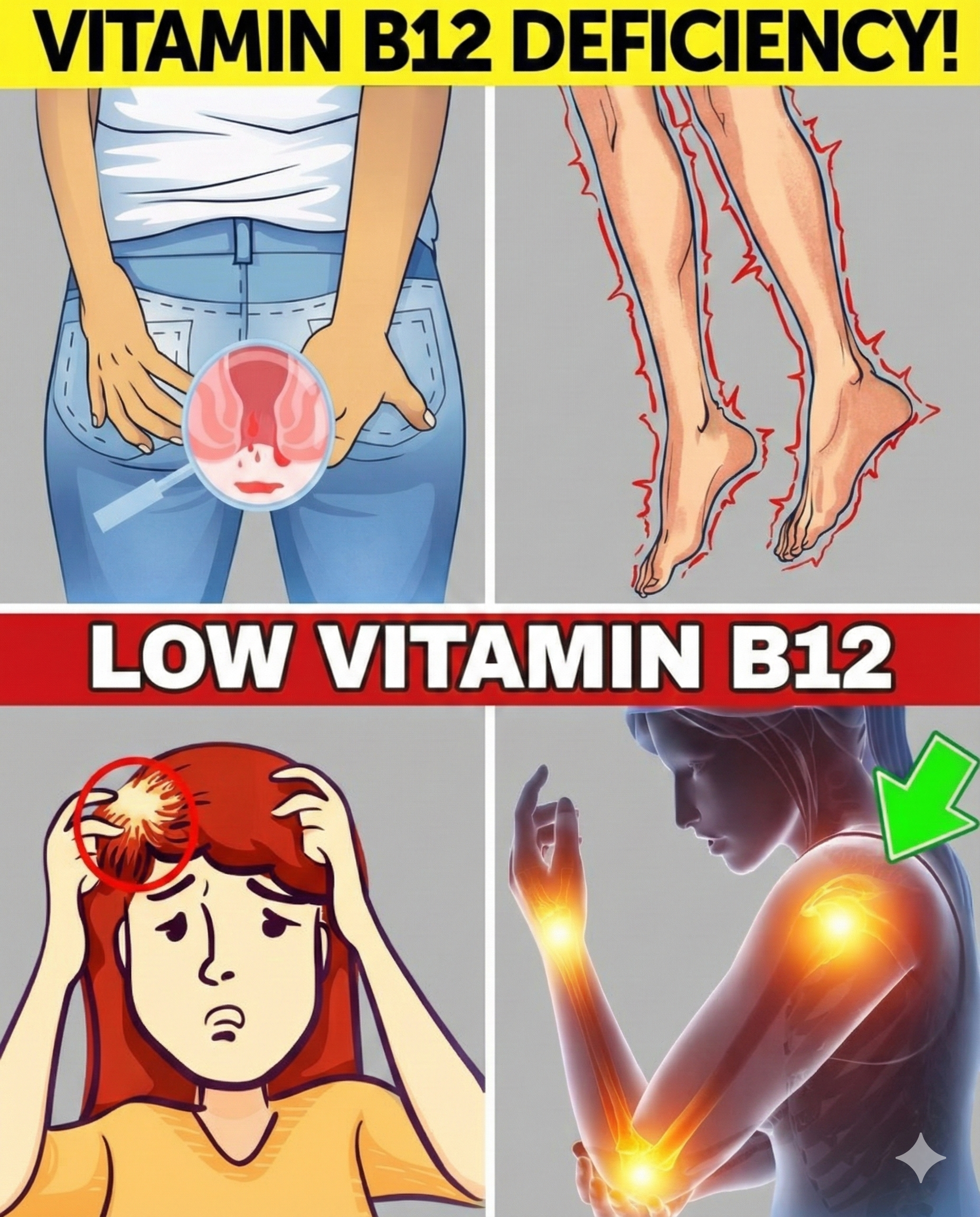
What Is Vitamin B12 and Why Does It Matter?
Vitamin B12, also known as cobalamin, is a water-soluble vitamin that plays a key role in red blood cell formation and neurological function. It’s essential for maintaining healthy nerve cells and producing DNA, the genetic material in all cells. Without adequate levels, your body can’t perform these processes efficiently, which might lead to various health concerns over time.
Research shows that this vitamin is unique because it’s primarily found in animal-based foods, making it crucial for certain dietary groups to monitor intake. But that’s not all—your body stores B12 in the liver, so deficiencies can take years to show up, catching many off guard.
The truth is, B12 supports brain health and energy metabolism, helping convert food into usable fuel. If levels dip, it can disrupt these systems subtly at first.
Common Causes of Low Vitamin B12 Levels
Low vitamin B12 can stem from several factors, often related to diet or absorption issues. For instance, strict vegetarians or vegans might not get enough since B12 is naturally abundant in animal products. Conditions like pernicious anemia, where the body lacks intrinsic factor needed for absorption, are another common culprit.
Other causes include gastrointestinal disorders such as celiac disease or Crohn’s, which impair nutrient uptake from food. Certain medications, like proton pump inhibitors for acid reflux, can also reduce stomach acid necessary for B12 release from proteins.
Age plays a role too—as we get older, stomach acid production decreases, making absorption harder. Here’s the interesting part: even if you eat B12-rich foods, surgeries like gastric bypass can bypass the absorption site in the intestines.
- Dietary Factors: Limited intake from plant-based diets or poor nutrition.
- Absorption Problems: Autoimmune conditions or digestive issues.
- Lifestyle and Medical Influences: Aging, medications, or surgeries affecting the gut.
Understanding these causes can help you assess your own risk and take steps accordingly.

8 Unusual Signs That Might Point to Low Vitamin B12
Low B12 can manifest in ways that seem unrelated at first, but paying attention to these could be eye-opening. Let’s break them down one by one.
1. Tingling or Numbness in Hands and Feet
One of the more peculiar sensations is a pins-and-needles feeling in your extremities, almost like your limbs are falling asleep without reason. This happens because B12 is vital for nerve health, and low levels can damage the myelin sheath protecting nerves.
You might notice it more at night or after sitting still. But wait, it can progress to balance issues if ignored.
2. A Sore or Red Tongue (Glossitis)
Imagine your tongue feeling unusually smooth or inflamed, with a beefy red appearance—that’s glossitis, a lesser-known indicator. Mouth ulcers or a burning sensation might accompany it.
Studies indicate this occurs due to rapid cell turnover in the mouth affected by B12 shortage. It’s odd, but checking your tongue in the mirror could reveal clues.
3. Vision Disturbances
Blurry vision or trouble focusing isn’t always about needing new glasses; low B12 can affect the optic nerve, leading to visual changes. Some report shadows or reduced color perception.
This is rare but significant, as research links it to neurological impacts. The good news? Noticing it early might prevent further issues.
4. Mood Swings or Feelings of Sadness
Feeling unusually down or irritable? B12 helps produce brain chemicals like serotonin, so deficiencies might contribute to mood alterations or even deeper emotional challenges.
It’s fascinating how a nutrient gap can mimic stress-related feelings. Keep an eye on persistent changes.

5. Memory Fog or Difficulty Concentrating
That frustrating “brain fog” where you forget names or lose your train of thought could tie back to low B12 affecting cognitive function. Older adults might notice it more, but it can hit anyone.
Research from Harvard highlights memory lapses as a sneaky sign. But there’s more to it—confusion might creep in over time.
6. Pale or Yellowish Skin Tone
Your skin might take on a pale or slightly jaundiced look due to anemia from poor red blood cell production. It’s subtle, but friends might comment on you looking tired.
This stems from B12’s role in blood health. Simple, yet often overlooked.
7. Heart Palpitations or Rapid Beat
An unexpected racing heart without exercise? Low B12 can cause anemia, leading to the heart working harder to circulate oxygen.
It’s alarming, but awareness can prompt a check-in with your routine.
8. Unusual Cold Sensitivity
Feeling colder than others in the same room might seem trivial, but it’s tied to anemia reducing oxygen delivery, affecting body temperature regulation. This one might be the surprise I mentioned— who knew a chill could hint at nutrient needs?
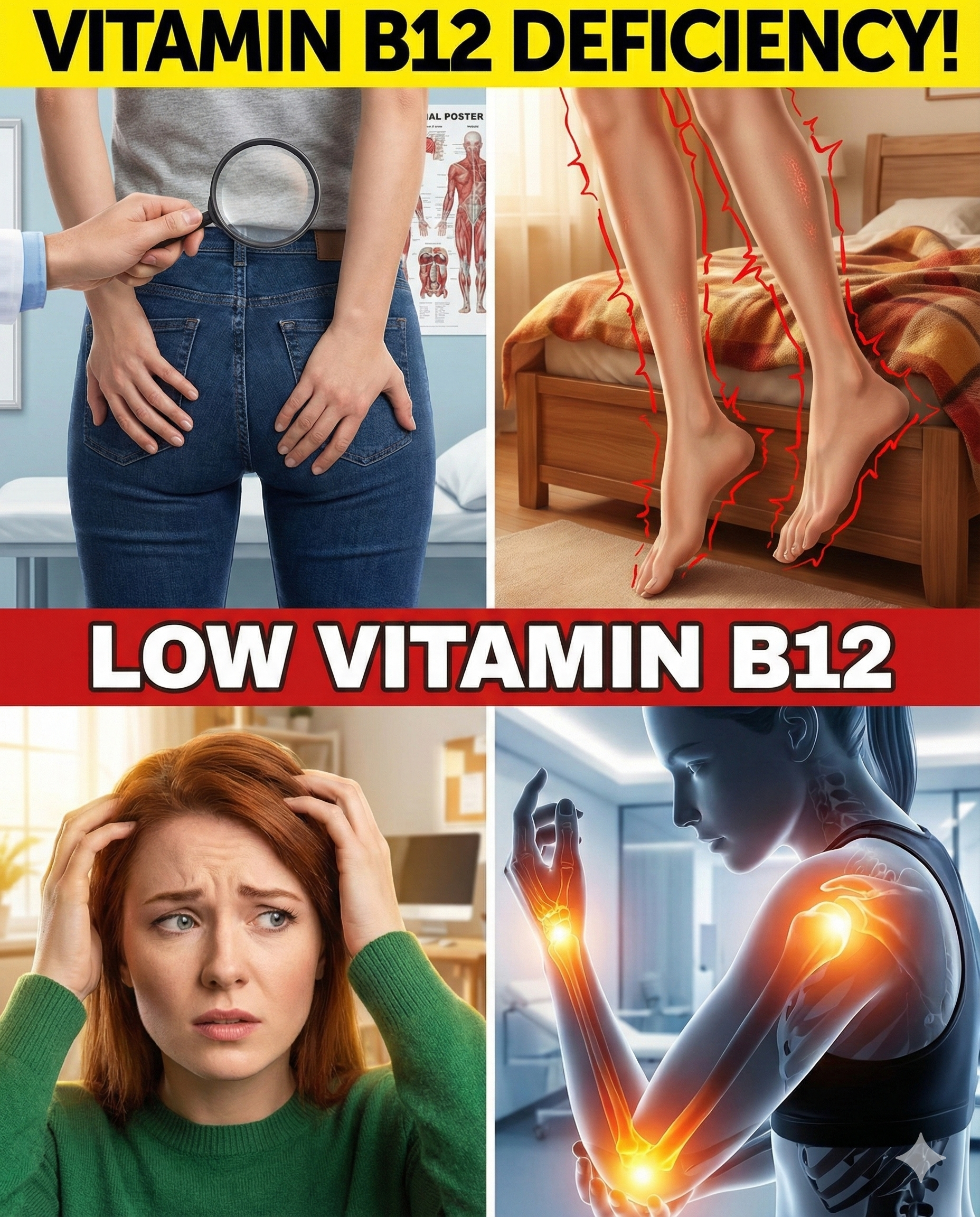
How to Check Your Vitamin B12 Levels
Wondering if these signs apply to you? A simple blood test can measure B12 levels, often part of a complete blood count (CBC). Doctors might also check methylmalonic acid (MMA) or homocysteine for confirmation, as these rise with true deficiencies.
Start by discussing symptoms with a healthcare provider—they’ll guide the process. At-home tests are available, but professional interpretation ensures accuracy.
Here’s a step-by-step guide:
- Note any persistent signs and track them for a week.
- Schedule a doctor’s visit to share your observations.
- Undergo recommended blood work.
- Review results and discuss next steps.
This proactive approach can bring clarity quickly.
Foods That Can Help Boost Your Vitamin B12 Intake
Incorporating B12-rich foods is a straightforward way to support your levels. Animal products top the list, but fortified options help vegetarians.
Here’s a handy table comparing sources:
| Food Type | Examples | Approximate B12 per Serving |
|---|---|---|
| Animal-Based | Clams (3 oz: 84 mcg), Salmon (3 oz: 4.9 mcg) | High |
| Dairy & Eggs | Milk (1 cup: 1.2 mcg), Eggs (1 large: 0.6 mcg) | Moderate |
| Fortified Foods | Breakfast cereal (1 serving: 6 mcg), Nutritional yeast (1 tbsp: 4.8 mcg) | Variable |
Try adding salmon to salads or eggs to breakfast for easy boosts. Vegetarians, opt for fortified cereals or yogurt.
But remember, if absorption is an issue, supplements might be discussed with a professional.
Actionable Tips to Support Healthy Vitamin B12 Levels
Ready to take action? Start small with these steps.
First, evaluate your diet—aim for at least two B12-rich meals daily. If vegan, consider fortified foods or supplements.
Second, get regular check-ups, especially if over 50 or with gut issues.
Third, pair B12 foods with veggies for better overall nutrition.
The key is consistency—track how you feel after a month of adjustments.
Wrapping It Up
Low vitamin B12 can show up in unexpected ways, from tingling sensations to mood shifts, but awareness is your best tool. By spotting these signs and incorporating supportive habits, you can stay on top of your health. Remember, small changes like adding nutrient-rich foods can make a difference.
Frequently Asked Questions
What are some quick ways to increase vitamin B12 intake?
Focus on foods like fish, eggs, and dairy, or choose fortified cereals if you follow a plant-based diet. Supplements are an option after consulting a doctor.
Can low B12 affect sleep?
While not directly, related fatigue or mood issues might disrupt rest patterns, as some studies suggest neurological links.
How long does it take to notice improvements after addressing low B12?
It varies, but many report feeling better within weeks of dietary changes or supplementation, depending on severity.
This article is for informational purposes only. It’s not intended to diagnose or treat any condition. Always consult a healthcare professional for personalized advice.


