
Many people with diabetes experience moments when their body feels off, like unusual tiredness or constant thirst that seems hard to explain. These feelings can build quietly, making it easy to brush them aside as part of a busy day or normal aging. Yet paying attention to these signals early can make a real difference in staying on top of health. Keep reading to discover eight key signs and one practical step that could help you respond sooner.
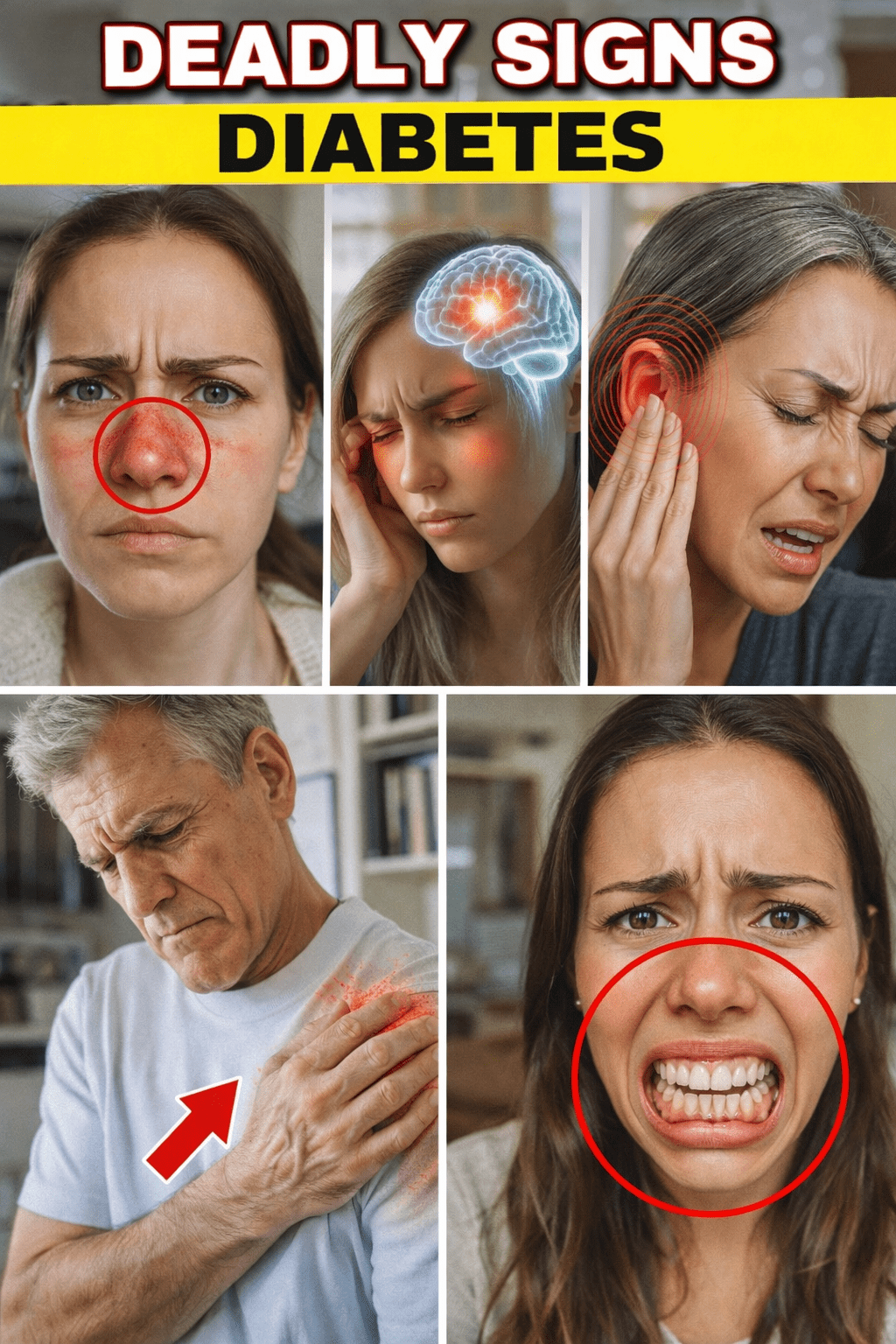
What Is Diabetic Ketoacidosis and Why Does It Matter?
Diabetic ketoacidosis, often called DKA, is a serious complication that can happen when blood sugar levels stay very high for too long and the body starts producing harmful substances called ketones.
Research from organizations like the American Diabetes Association shows that DKA most commonly affects people with type 1 diabetes, but it can also occur in those with type 2 under certain stresses, such as illness or infection.
The challenge is that DKA can develop quickly, sometimes within hours or days, turning from mild discomfort into a medical emergency if not addressed.
Understanding these changes helps many people seek timely support and avoid bigger issues.
How Diabetic Ketoacidosis Develops in the Body
When insulin levels are too low, the body can’t use glucose for energy properly. Instead, it breaks down fat, releasing ketones as a backup fuel.
As ketones build up, they make the blood more acidic, which disrupts normal body functions.
Studies indicate this process can accelerate during infections, missed medication doses, or other triggers.
The good news? Recognizing early patterns gives you time to act.
The 8 Key Warning Signs to Watch For
Here are eight common signs that healthcare professionals often associate with developing DKA. Notice how they can appear gradually or suddenly.
1. Persistent Thirst That Feels Hard to Satisfy
Feeling unusually thirsty, even after drinking plenty of water, is one of the earliest signals. High blood sugar pulls fluid from tissues, prompting the body to seek more hydration.
Many people describe it as a dry mouth that returns quickly.
2. Frequent Trips to the Bathroom
Needing to urinate more often, especially at night, often goes hand-in-hand with thirst. The kidneys work harder to remove excess sugar, drawing out more water.
This cycle can become noticeable within days.
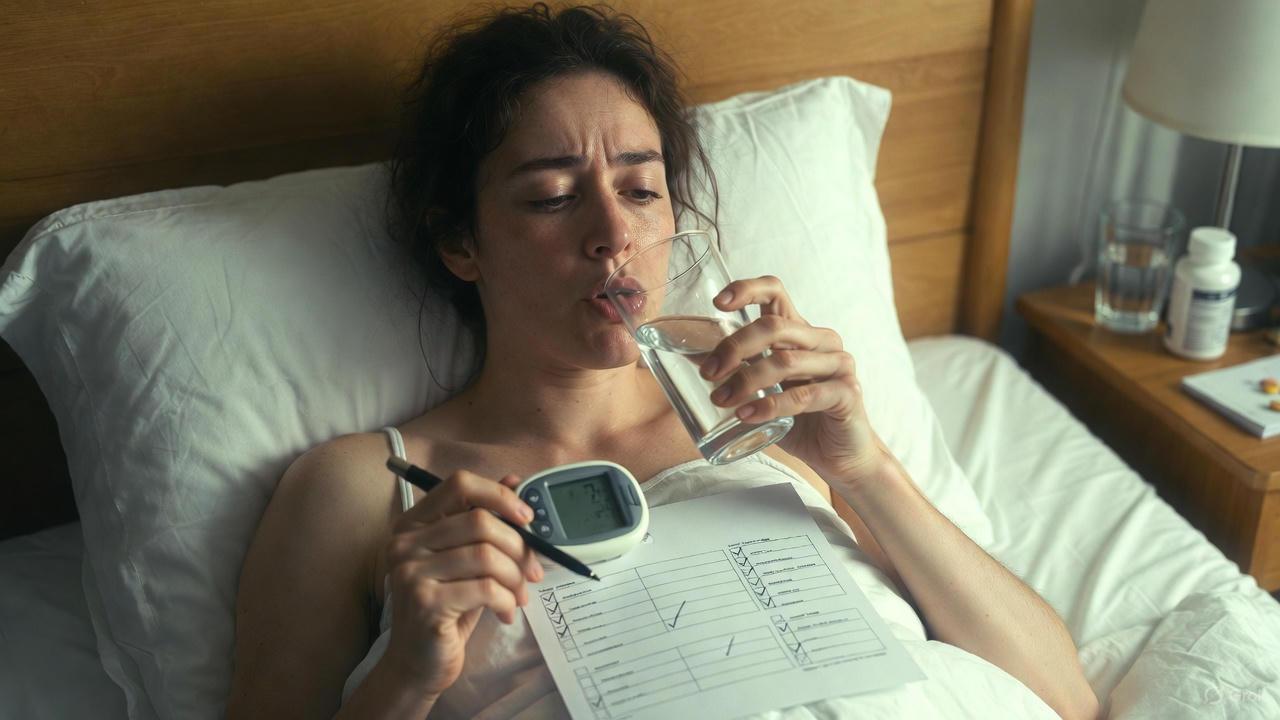
3. Unusual Breath Odor
Some notice a sweet or fruity smell on their breath, similar to acetone. This happens as the lungs release built-up ketones.
Family members or close contacts might point it out first.
4. Unexpected Weight Changes
Losing weight without trying, even while eating normally, can occur because calories are lost through urine.
This sign often surprises people who haven’t changed their habits.
5. Feeling Sick to Your Stomach
Nausea, vomiting, or abdominal discomfort can make eating difficult. These feelings arise as the body reacts to increasing acidity.
They sometimes mimic other common issues like stomach bugs.
6. Difficulty Catching Your Breath
Rapid or deep breathing, even at rest, helps the body compensate for acidity by expelling carbon dioxide.
This pattern is sometimes called air hunger.
7. Extreme Tiredness
Overwhelming fatigue that makes daily tasks feel impossible is very common. Cells struggle to get energy despite high blood sugar.
Rest doesn’t seem to help much.
8. Trouble Focusing or Feeling Confused
Mental fog or difficulty concentrating can appear as the situation worsens. The brain needs steady energy to function clearly.
This sign often prompts others to encourage seeking help.
Quick Comparison: Everyday Feelings vs. Patterns to Note
| Common Experience | Possible Everyday Reason | When to Pay Closer Attention |
|---|---|---|
| Thirst and urination | Hot weather, exercise | Sudden increase with other signs |
| Tiredness | Busy schedule, poor sleep | Persists despite rest, paired with thirst |
| Breath changes | Recent meals | Sweet or chemical-like odor noticed by others |
| Nausea | Food or stress | Ongoing with vomiting and abdominal pain |
| Breathing changes | Anxiety | Rapid and deep without physical effort |
This table highlights how context matters when evaluating symptoms.

One Practical Step Many People Find Helpful
If you notice several of these signs together, the most recommended action is to check your blood sugar right away if you have a monitor, drink water to stay hydrated, and contact a healthcare provider immediately.
Research emphasizes that early medical attention significantly improves outcomes.
Never ignore a combination of these signals, especially if you have diabetes or risk factors.
Here’s a simple checklist to act quickly:
- Measure blood sugar if possible.
- Drink plain water (avoid sugary drinks).
- Note all current symptoms and their timing.
- Call your doctor or go to urgent care.
- Bring a list of medications and recent health changes.
Taking these steps calmly can provide valuable time.
Who Might Be at Higher Risk?
Certain situations increase the chances of DKA:
- Newly diagnosed or type 1 diabetes
- Recent illness or infection
- Missed insulin doses
- High stress or dehydration
Regular check-ups and monitoring help many people manage these risks effectively.
Final Thoughts: Staying Informed and Prepared
Recognizing these eight warning signs empowers you to listen to your body and respond thoughtfully. Small observations today can lead to better health tomorrow.
Share this information with friends or family who might benefit, and consider discussing any concerns with your doctor during your next visit.
The key takeaway? Knowledge about these patterns, combined with prompt action, supports overall well-being.
Frequently Asked Questions
What should I do if I notice several of these signs at once?
Contact a healthcare professional right away or visit the nearest emergency room. Quick evaluation is important.
Can diabetic ketoacidosis happen to people without a diabetes diagnosis?
Yes, it sometimes occurs as the first sign of undiagnosed diabetes, particularly type 1.
How can I lower my risk of DKA?
Regular blood sugar monitoring, staying hydrated during illness, and following prescribed plans help many people avoid it.
This article is for informational purposes only and is not a substitute for professional medical advice. Always consult your healthcare provider for personal concerns or if you experience symptoms. Diabetic ketoacidosis is a medical emergency requiring immediate care.


