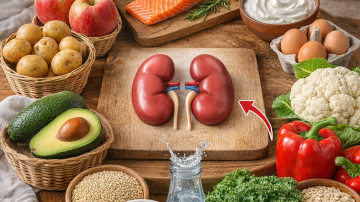
Many adults over 60 enjoy adding more vegetables to their meals for better health and energy. These nutrient-rich foods support heart health, digestion, and overall wellness as we age. Yet changes in metabolism, kidney function, hydration needs, and common medications can influence how our bodies respond to certain vegetables.
Research shows that a diet full of vegetables is linked to lower risks of heart issues and stroke in older adults. But factors like portion size, timing of meals, cooking methods, and consistency matter more after 60. The good news? Small, practical adjustments let you keep enjoying your favorite vegetables safely. We’ll explore 9 popular ones, share evidence-based insights, and offer easy tips to make the most of them—plus a surprising tip at the end that ties it all together.

Why Vegetable Choices Matter More After Age 60
As we get older, our bodies process nutrients a bit differently. Kidneys may work more slowly, thirst signals can weaken, and many take medications for blood pressure or heart health.
Studies indicate that balanced vegetable intake supports healthy circulation and blood pressure. For example, higher consumption of fruits and vegetables is associated with reduced stroke risk in large population studies.
But sudden changes in certain nutrients—like vitamin K for those on specific blood thinners—or large evening portions can sometimes affect hydration or stability.
It’s not about avoiding vegetables. It’s about smart habits: consistency, moderation, and pairing them wisely. Sound relatable? Many seniors feel great adding greens but notice occasional fatigue or unease. Let’s dive into common ones and how to optimize them.
Spinach: A Nutrient Powerhouse with Oxalate Considerations
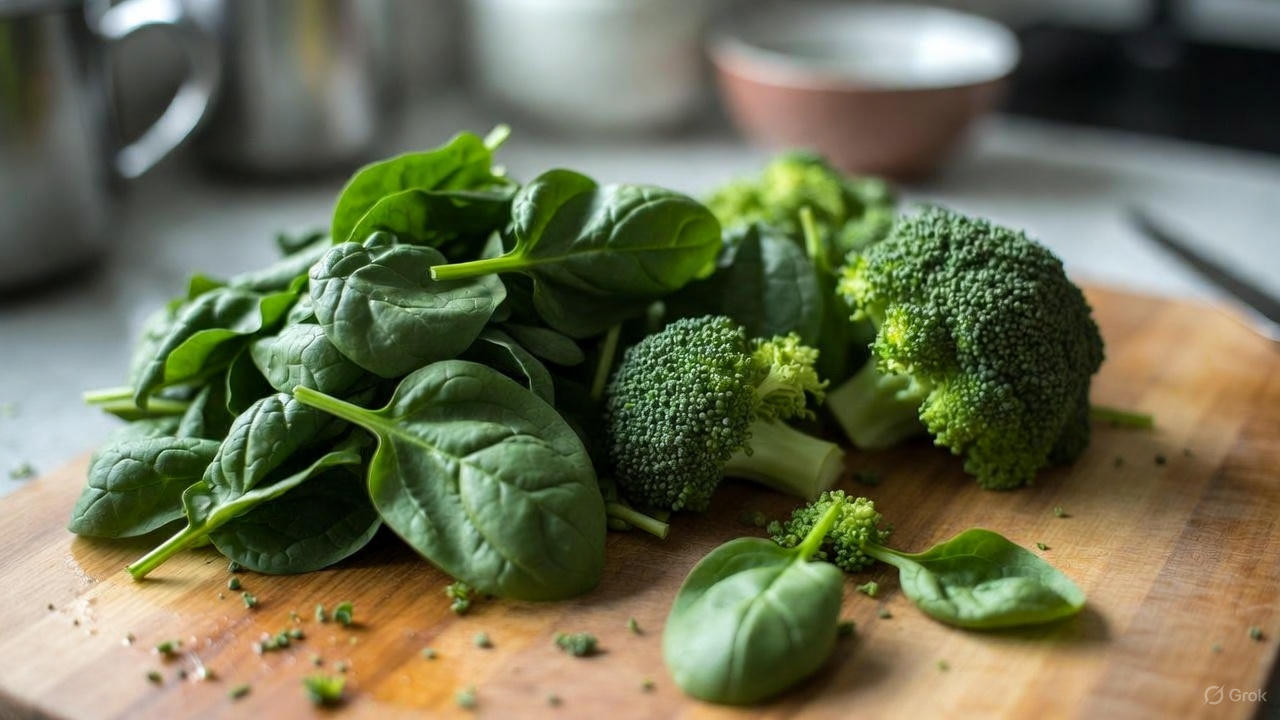
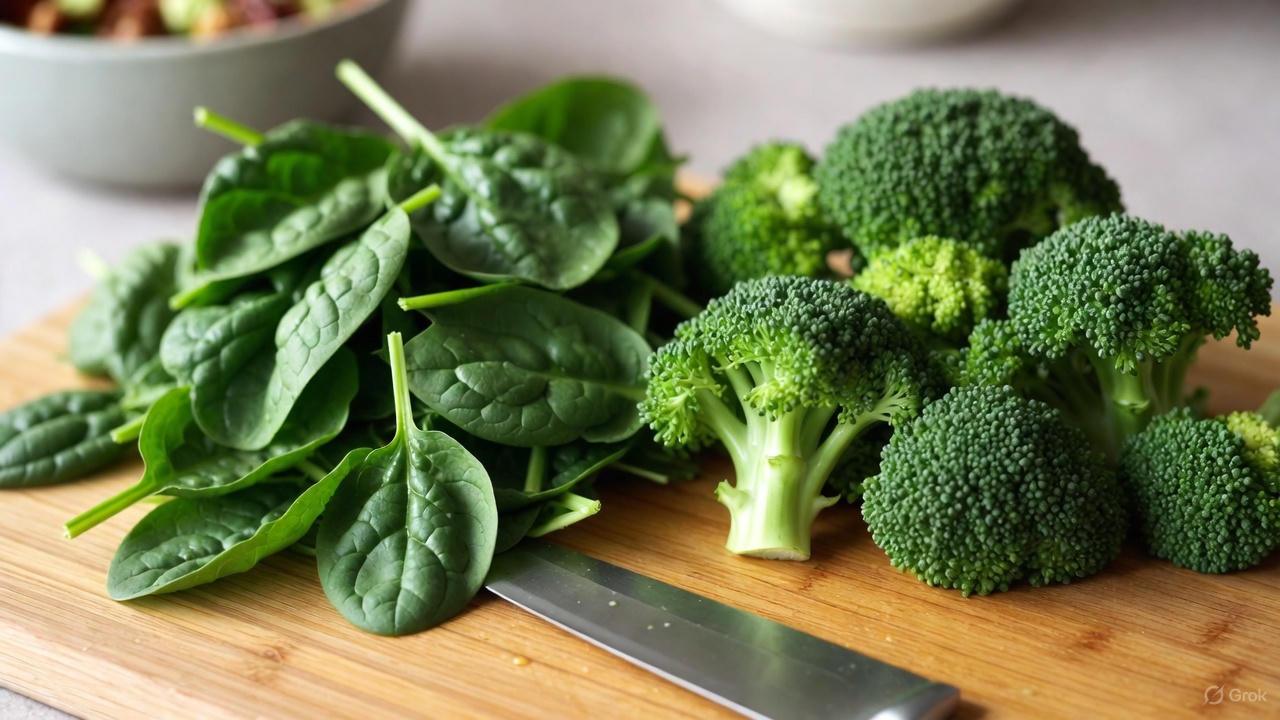
Spinach is packed with iron, folate, and antioxidants that support energy and cell health.
Why timing helps: It contains natural oxalates, which are generally harmless but can bind minerals in very high amounts. Research links excessive oxalates mainly to kidney stone risk in susceptible people, not direct circulation issues.
Practical tip: Enjoy 1–2 cups cooked or raw at lunch or breakfast. Boiling reduces oxalates by up to 50%. Pair with citrus for better absorption.
Studies show leafy greens like spinach contribute to overall cardiovascular benefits when eaten regularly in moderation.
Broccoli: Rich in Vitamin K for Bone and Heart Support
Broccoli offers fiber, vitamins, and compounds that promote healthy inflammation responses.
Key insight for some: It’s high in vitamin K, essential for clotting factors. For those on warfarin, sudden large changes in vitamin K intake can affect medication stability—consistency is key, per guidelines from the American Heart Association.
Safe habit: Aim for steady portions, like ½–1 cup a few times weekly. Steaming preserves nutrients best.
Research emphasizes keeping vitamin K intake consistent rather than low for better outcomes.
Romaine Lettuce: Hydrating and Low-Calorie Base for Salads
Romaine provides crunch, hydration, and gentle fiber.
Evening note: Leafy greens have mild natural diuretic effects from potassium, which supports blood pressure but may increase overnight fluid needs in seniors with reduced thirst sensation.
Easy adjustment: Use in lunchtime salads. Add extra water throughout the day.
Dehydration is a known factor in thicker blood flow, so staying hydrated enhances vegetable benefits.
Carrots: Beta-Carotene Boosters for Eye and Immune Health
Carrots deliver vitamin A precursors and antioxidants.
Glycemic note: Raw carrots digest quickly, causing minor blood sugar fluctuations. Stable blood sugar supports vascular health in older adults.
Tip: Enjoy with healthy fats like avocado or nuts to slow absorption. Roast or steam for meals.
Vegetables with moderate glycemic impact fit well in balanced plates.
Garlic: Flavorful Addition with Circulatory Perks
Garlic adds taste and compounds studied for mild blood pressure support.
Moderation reminder: In large supplemental doses, it may enhance blood-thinning effects. Food amounts are generally fine, but check with your doctor if on anticoagulants.
Best practice: Use 1–2 cloves cooked in dishes. Benefits shine in everyday cooking.
Onions: Antioxidant-Rich Flavor Enhancers
Onions provide quercetin, linked to heart-healthy properties in studies.
Balance tip: Cooked onions are gentler; raw in excess may affect digestion for some.
Use as seasoning for broad benefits without overload.
Corn: Whole-Grain Option for Energy
Fresh corn offers fiber and B vitamins.
Higher starch means quicker energy release—pair with protein for steadiness.
Occasional enjoyment: ½ cup with meals earlier in the day.
Asparagus: Folate and Fiber Source
Asparagus supports detoxification pathways.
Like other greens, potassium aids fluid balance—hydrate well.
Lunchtime spears: 6–10, grilled or steamed.
Tomatoes: Lycopene Leaders for Antioxidant Support
Tomatoes supply lycopene, associated with cardiovascular protection.
Cooked forms enhance absorption; no strong evidence of inflammation risk in general populations.
Enjoy freely in sauces or salads.
Quick Comparison: Habits to Maximize Benefits
| Vegetable | Key Nutrient Highlight | Simple Adjustment | Potential Retained Benefit |
|---|---|---|---|
| Spinach | Folate, iron | Lunch portions, boil if desired | Energy, antioxidants |
| Broccoli | Vitamin K, fiber | Consistent weekly amounts | Bone and heart support |
| Romaine | Hydration, low-cal | Daytime salads + water | Digestion, lightness |
| Carrots | Beta-carotene | Pair with fats/protein | Vision, immunity |
| Garlic | Allicin compounds | Cooked, moderate | Flavor, mild circulation aid |
| Onions | Quercetin | Cooked as flavoring | Antioxidants |
| Corn | B vitamins | Occasional, paired | Sustained energy |
| Asparagus | Folate | Hydrate well | Detox support |
| Tomatoes | Lycopene | Cooked for absorption | Heart protection |
Actionable Daily Timeline Suggestions
- Breakfast/Lunch: Focus on greens like spinach, romaine, or broccoli.
- Dinner: Lighter options like tomatoes, carrots, or onions.
- General: Aim for 4–6 servings daily, varied and colorful.
Pair high-potassium veggies with steady hydration—aim for 8 glasses of water.
Frequently Asked Questions
1. Can I still eat salads if I’m over 60?
Yes—many seniors thrive on vegetable-rich meals. Shift larger portions to earlier and stay hydrated for best comfort.
2. What if I’m on blood-thinning medication?
Focus on consistency with vitamin K foods. Discuss your usual intake with your doctor; no need to eliminate greens.
3. Are cooked vegetables better than raw after 60?
Both offer benefits. Cooking can enhance nutrient availability (like lycopene in tomatoes) and reduce compounds like oxalates.
This information is for educational purposes only and is not medical advice. Always consult your healthcare provider before changing your diet, especially with medications or conditions.
P.S. The tying tip: Variety and consistency unlock vegetable perks while minimizing any concerns—most seniors feel more vibrant with these habits! Share with a friend enjoying their greens.