
Watching a loved one struggle with everyday tasks that used to come easily can be heartbreaking. It might start with small things, like taking longer to make decisions or seeming a bit more withdrawn than usual. These changes often get brushed off as normal parts of aging or everyday stress, leaving families feeling helpless as things quietly worsen over time. The frustration builds when no one connects the dots early enough.
But here’s the encouraging part: spotting these subtle shifts soon can open the door to better heart and brain health habits. And toward the end of this guide, I’ll share a surprisingly common pattern that many overlook—but recognizing it could change everything.

What Is Vascular Dementia and Why Does It Matter?
Vascular dementia is the second most common type of dementia after Alzheimer’s. It happens when blood flow to the brain is reduced, often due to small strokes or damaged blood vessels.
Research from sources like the Mayo Clinic and Alzheimer’s Association shows that it affects thinking skills first—things like planning and focus—rather than memory right away.
This makes it tricky to spot early. Many people dismiss initial changes, but addressing risks like high blood pressure can help manage progression.
The good news? Studies indicate that managing vascular health factors may slow things down.
Why Recognizing Early Signs Can Make a Difference
Unlike Alzheimer’s, which often progresses steadily with memory loss leading the way, vascular dementia can show up differently. Symptoms might appear suddenly after a minor event or build gradually.
Early awareness allows for steps to support brain blood flow. Experts note that controlling conditions like hypertension or diabetes plays a key role.
But that’s not all—let’s dive into the signs themselves.
The 9 Early Signs of Vascular Dementia
Here are nine common early indicators, based on insights from reliable sources such as the NHS, Johns Hopkins Medicine, and the National Institute on Aging.
1. Mild Memory Challenges (Often Not the First Sign)
Memory issues can happen, but they’re usually milder at the start and tied to attention problems. You might notice forgetting recent events more when distracted.
This differs from Alzheimer’s, where memory often hits hardest early on.
2. Difficulty with Judgment and Decision-Making
Simple choices, like managing money or assessing risks, can become harder. This stems from impacts on executive functions in the brain.
Research highlights how frontal areas affected by reduced blood flow lead to these shifts.
3. Stepwise Changes in Abilities (The One Many Overlook)
Here’s the pattern most people miss: abilities seem to drop suddenly—perhaps after a minor health event—then hold steady for a while before another dip.
This “stepwise” progression ties directly to vascular events, unlike the smoother decline often seen in other dementias. Studies emphasize this as a key clue.
4. Word-Finding or Communication Issues
Struggling to find the right word or follow complex instructions can emerge early. It’s usually less severe than in some other forms.
5. Problems with Walking, Balance, or Coordination
Unsteadiness, a slower gait, or weakness on one side might appear sooner than in Alzheimer’s. This links to motor areas affected by blood flow issues.
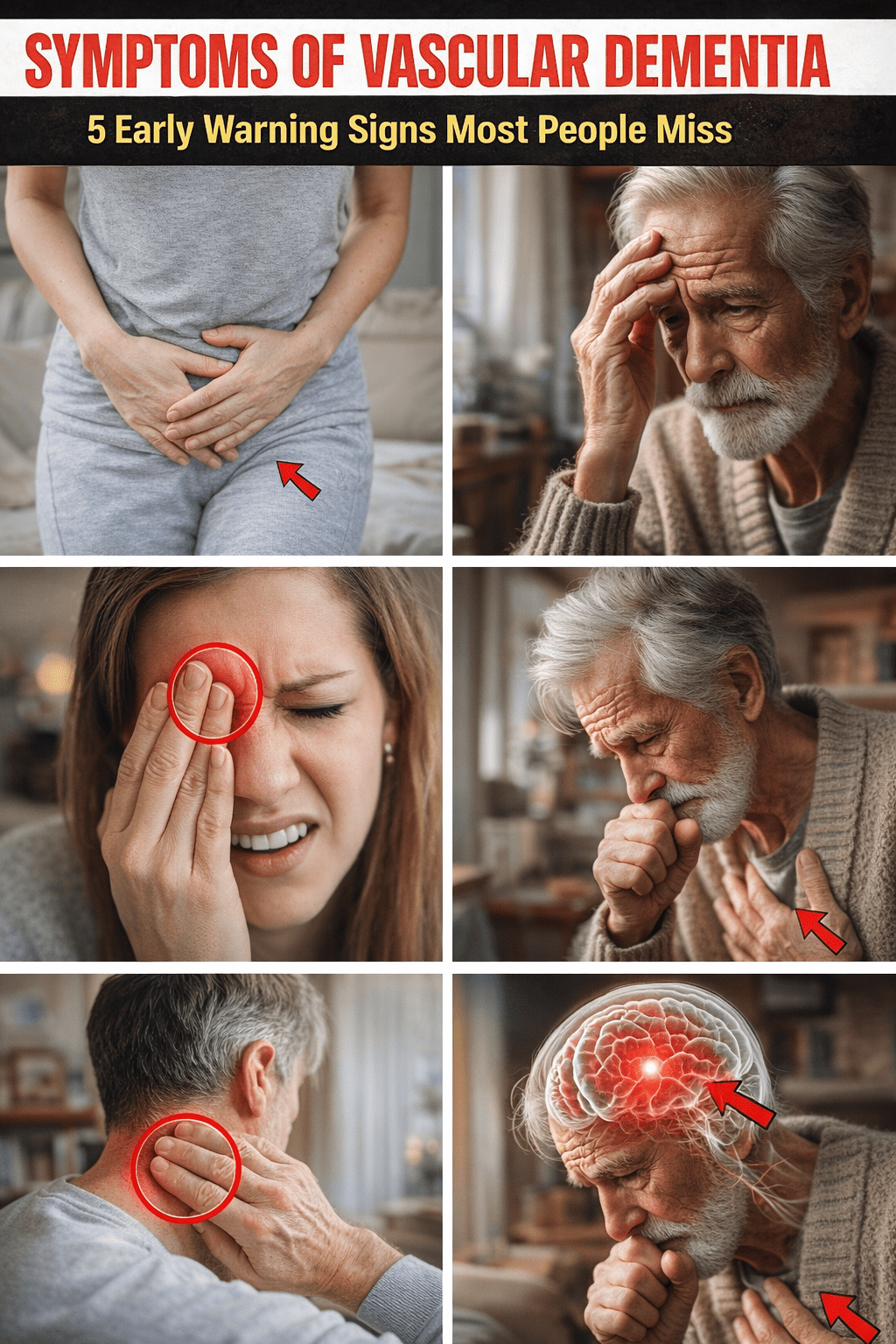
6. Uncontrollable Laughing or Crying (Pseudobulbar Affect)
Sudden emotional outbursts that don’t match the situation can surprise everyone. Known as pseudobulbar affect, it’s common in vascular cases due to disrupted pathways.
This is often mistaken for mood swings.
7. Trouble Concentrating or Paying Attention
Focus drifts easily, or “brain fog” makes tasks take longer. Experts describe this slowed thinking as a hallmark early sign.
8. Challenges with Planning and Organization
Multi-step tasks, like following a recipe or paying bills, feel overwhelming. This hits executive functions hard from the beginning.
9. Mood Swings, Apathy, or Depression
Becoming withdrawn, irritable, or emotionally flat can show up early. These changes often relate to affected brain areas controlling emotions.
But wait—there’s more to how these compare.
Vascular Dementia vs. Alzheimer’s: Key Early Differences
To help clarify, here’s a simple comparison table based on common patterns noted in medical resources:
| Sign | Vascular Dementia (Often Early) | Alzheimer’s (Often Primary or Later) |
|---|---|---|
| Planning and Attention | Prominent early | Develops later |
| Memory Loss | Mild or secondary | Primary early sign |
| Mood/Behavior Changes | Common early | Develops over time |
| Stepwise Decline | Typical | Rare—more gradual |
| Physical/Movement Issues | Frequent early | Usually later |
This highlights why vascular dementia can fly under the radar.
Simple Habits to Support Brain and Heart Health
While no habit guarantees prevention, research shows these steps can help manage vascular risks:
- Monitor blood pressure regularly and aim for healthy levels through diet and activity.
- Stay active with walks or light exercise most days.
- Eat a balanced diet rich in fruits, vegetables, and whole grains.
- Manage cholesterol and blood sugar if needed, with professional guidance.
- Avoid smoking and limit alcohol.
Start small—one change at a time adds up.
Here’s the thing: consistency matters more than perfection.

Real Stories of Early Awareness
Many families notice planning struggles or mood shifts first. One common example: someone experiences a sudden dip after a minor event, then stabilizes—with early check-ups helping manage risks.
Another: spotting attention issues leads to vascular health discussions that make a positive difference.
Conclusion: Take Gentle Steps Toward Awareness
Recapping the often-overlooked signs: stepwise changes, attention difficulties, mood shifts, and planning challenges.
If patterns like these emerge, a conversation with a healthcare provider can provide clarity and next steps.
Empowering yourself with knowledge supports better outcomes for everyone involved.

Frequently Asked Questions
What makes vascular dementia different from Alzheimer’s in early stages?
Vascular often affects planning, attention, and mood first, with possible physical changes, while Alzheimer’s typically starts with prominent memory loss.
Can lifestyle changes really help with vascular dementia risks?
Yes—studies suggest managing blood pressure, staying active, and healthy eating can support vascular health and potentially slow progression.
When should I see a doctor about possible signs?
If changes persist or interfere with daily life, it’s worth discussing sooner rather than later for personalized insights.
Disclaimer: This information is for educational purposes only and is not a substitute for professional medical advice, diagnosis, or treatment. Always consult a qualified healthcare provider for any concerns about cognitive changes or health conditions. Early evaluation by a professional is recommended if you notice ongoing patterns.


