
You grab a bag of chips while working, sip an energy drink to push through the afternoon, or treat yourself to a donut after a long day. They feel harmless — even helpful — in the moment. Yet many of us notice we’re more tired, bloated, or foggy than we used to be, and we can’t quite figure out why. The truth is, some of our favorite convenience foods can make specific organs work harder day after day. The good news? You don’t have to swear them off forever. Small, realistic changes can make a real difference — keep reading and I’ll show you exactly how.
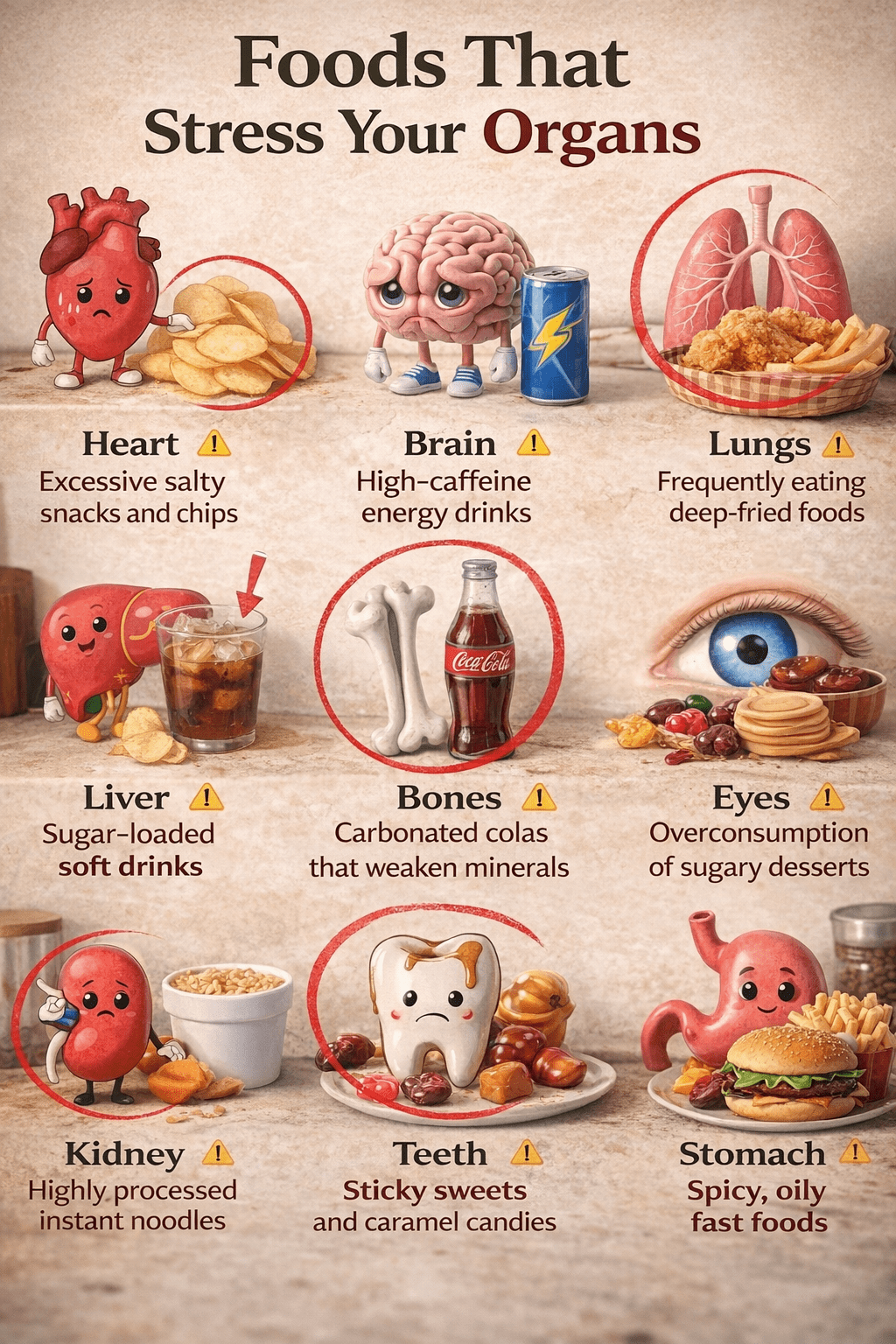
1. Salty Snacks and Your Heart
Excess sodium forces your body to hold onto water to dilute it, which raises blood pressure. Over time your heart has to pump against higher resistance — like constantly driving with the handbrake on.
The American Heart Association notes that most adults eat twice the recommended 2,300 mg of sodium daily, mostly from packaged snacks.
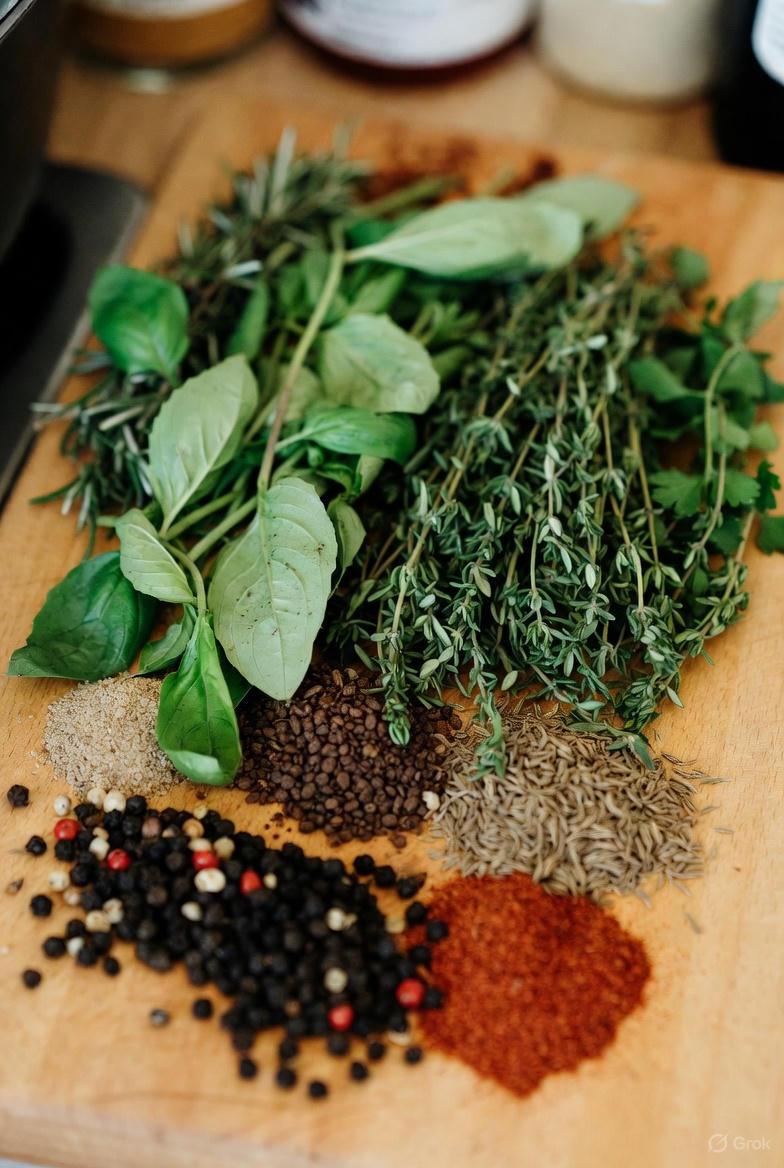
Smarter move: Look for “low-sodium” or “no salt added” versions, rinse canned foods, or satisfy crunch with air-popped popcorn seasoned with herbs.
2. High-Caffeine Energy Drinks and Your Brain
Caffeine in moderation sharpens focus, but slamming 200–300 mg in one energy drink can trigger adrenaline spikes, anxiety, and disrupted sleep. Poor sleep and chronic stress literally rewire the brain over time.
A 2023 review in Neuroscience & Biobehavioral Reviews linked frequent high-dose caffeine to increased cortisol and reduced hippocampal volume.
Smarter move: Cap caffeine at 400 mg/day (about two coffees), switch to lower-dose options, or try sparkling water with a splash of fruit juice for the fizz without the jolt.
3. Deep-Fried Foods and Your Lungs
Repeated high-heat frying produces compounds that cause oxidative stress and inflammation throughout the body, including the airways. Studies show frequent fried-food eaters have lower lung function and higher risk of COPD-like changes.
Smarter move: Bake, air-fry, or lightly pan-fry with a high smoke-point oil (avocado, refined olive). Your lungs — and waistline — will notice.
4. Sugar-Sweetened Soft Drinks and Your Liver
The liver has to process every gram of fructose you drink. When it arrives in a flood (a 12-oz soda has ~10 teaspoons of sugar), the liver converts the excess straight into fat — the first step toward non-alcoholic fatty liver disease.
The journal Hepatology reports that daily sugary beverages increase liver-fat accumulation even in people who aren’t overweight.
Smarter move: Switch to water with lemon, herbal iced tea, or a single can split over ice with sparkling water to cut sugar by half immediately.
5. Carbonated Colas and Your Bones
Colas contain phosphoric acid, which can bind calcium in the gut and increase calcium loss in urine when consumed in large amounts and calcium intake is low. Over decades this may contribute to lower bone density.
Research in the American Journal of Clinical Nutrition found women who drank cola daily had lower hip bone-mineral density.
Smarter move: Choose calcium-rich foods (leafy greens, fortified plant milks, yogurt) and treat cola as an occasional treat instead of daily hydration.
6. Overdoing Sugary Desserts and Your Eyes
Chronic blood-sugar spikes damage tiny blood vessels in the retina long before diabetes is diagnosed. Early changes are silent, but they set the stage for diabetic retinopathy later.
The landmark DCCT/EDIC study showed that every 1% drop in HbA1c reduces retinopathy progression by up to 21%.
Smarter move: Pair dessert with protein or fiber (berries + Greek yogurt, dark chocolate with nuts) to blunt the sugar spike, and keep portions small.
7. Highly Processed Instant Noodles and Your Kidneys
One packet can contain 1,500–2,000 mg of sodium plus phosphate additives. Kidneys have to filter all of it, and long-term high intake is linked to faster decline in kidney function.
A study in the Journal of the American Society of Nephrology found frequent instant-noodle consumption associated with higher risk of chronic kidney disease in Asian populations.
Smarter move: Use only half the seasoning packet, add frozen veggies and an egg for bulk, or switch to soba or zucchini noodles.
8. Sticky Sweets & Caramel Candies and Your Teeth
Sugar feeds acid-producing bacteria, but sticky candies stay on teeth for hours, giving bacteria extra time to create cavities and erode enamel.
The ADA states prolonged exposure is worse than total sugar amount.
Smarter move: Eat sweets with meals (saliva flow is higher), rinse with water immediately after, and chew sugar-free gum with xylitol to neutralize acid.
9. Spicy, Oily Fast Food and Your Stomach
Large amounts of fat delay stomach emptying while capsaicin and spices can irritate the lining, leading to reflux, bloating, and discomfort — especially late at night.
Clinical Gastroenterology and Hepatology reports frequent fast-food consumption doubles the odds of GERD symptoms.
Smarter move: Blot excess oil with a napkin, ask for mild versions, eat smaller portions, and finish eating 2–3 hours before bed.
Quick-Reference Table: Organ, Food, Concern, Easy Swap
| Organ | Common Food Example | Main Concern | One Simple Swap |
|---|---|---|---|
| Heart | Potato chips, salted nuts | Excess sodium → blood pressure | Unsalted nuts or veggie sticks + hummus |
| Brain | Energy drinks | Caffeine overload → stress/sleep | Green tea or sparkling water + lemon |
| Lungs | French fries, fried chicken | Oxidative compounds | Baked sweet-potato fries or air-fried |
| Liver | Regular soda | Fructose → fat buildup | Infused water or kombucha (low sugar) |
| Bones | Cola | Phosphoric acid | Milk, fortified oat milk, or leafy greens |
| Eyes | Donuts, ice cream | Blood-sugar swings | Greek yogurt + berries + dark chocolate |
| Kidneys | Instant ramen | Sodium + phosphates | Half seasoning + lots of veggies |
| Teeth | Gummies, caramels | Prolonged acid exposure | Dark chocolate (melts fast) or fruit |
| Stomach | Spicy burgers, loaded nachos | Fat + spice irritation | Grilled version, mild sauce, smaller portion |
7 Everyday Habits That Protect All Your Organs at Once
- Drink 2–3 liters of plain water daily — it helps every filtering organ do its job.
- Eat something colorful (fruit or vegetable) at every meal for antioxidants.
- Move 20–30 minutes most days — even walking improves blood flow and insulin sensitivity.
- Read labels: aim for <10% daily value sodium and <10 g added sugar per serving when possible.
- Include a source of fiber and protein with treats to slow absorption.
- Get 7–9 hours of sleep — organs repair while you rest.
- Schedule regular check-ups; catching small changes early is the best protection.
You now know exactly which foods ask the most from each organ and how to dial them back without feeling deprived. Start with one or two changes this week — your body will notice faster than you expect.
Frequently Asked Questions
1. Do I have to give up these foods completely?
No. Moderation and balance are the goal. Most people feel significantly better just by cutting frequency and portion size.
2. How do I know if my organs are already stressed?
Common clues are persistent fatigue, bloating, headaches, frequent heartburn, or changes in blood pressure/blood sugar at check-ups. Talk to your doctor if you’re concerned.
3. Will switching to “diet” or “zero” versions solve everything?
They reduce sugar and calories, but some still contain phosphoric acid, artificial sweeteners, or sodium. Plain water or unsweetened tea remains the gold standard for daily hydration.
This article is for informational purposes only and is not medical advice. Always consult your healthcare provider for personal health concerns or before making significant dietary changes.


