Hearing tiny feet scurrying in the walls at night is enough to make anyone lose sleep. Rats don’t just chew through wires and ruin food—they can also bring stress, worry about diseases, and that constant feeling that your home isn’t truly safe. The good news? You can encourage rats to leave and stay away using everyday items you probably already have in your kitchen—no harsh chemicals needed.
And the best part? One of these methods is so surprisingly effective that most people overlook it completely… but more on that later.
Why Natural Methods Are Worth Trying First
Traditional snap traps and poison baits work, but they come with downsides: dead rats in hard-to-reach places, risks to pets and kids, and rats that sometimes learn to avoid them. Research published in the Journal of Pest Science shows rodents can develop “bait shyness” within weeks. Natural repellents and deterrents, on the other hand, use strong scents and tastes that rats instinctively avoid, and they’re much gentler on your household.
Here are nine proven, safe options you can start using today.
1. Peppermint Essential Oil (The One Rats Really Hate)
Studies from the International Journal of Scientific and Research Publications confirm that peppermint oil is one of the strongest natural rodent repellents. Rats have an extremely sensitive sense of smell, and menthol overwhelms them.
How to use it:
- Soak cotton balls in pure peppermint essential oil (10–15 drops each).
- Place them near entry points, under appliances, and in cabinets.
- Refresh every 5–7 days or after cleaning.
Pro tip: Plant mint around the foundation of your house for long-term prevention.

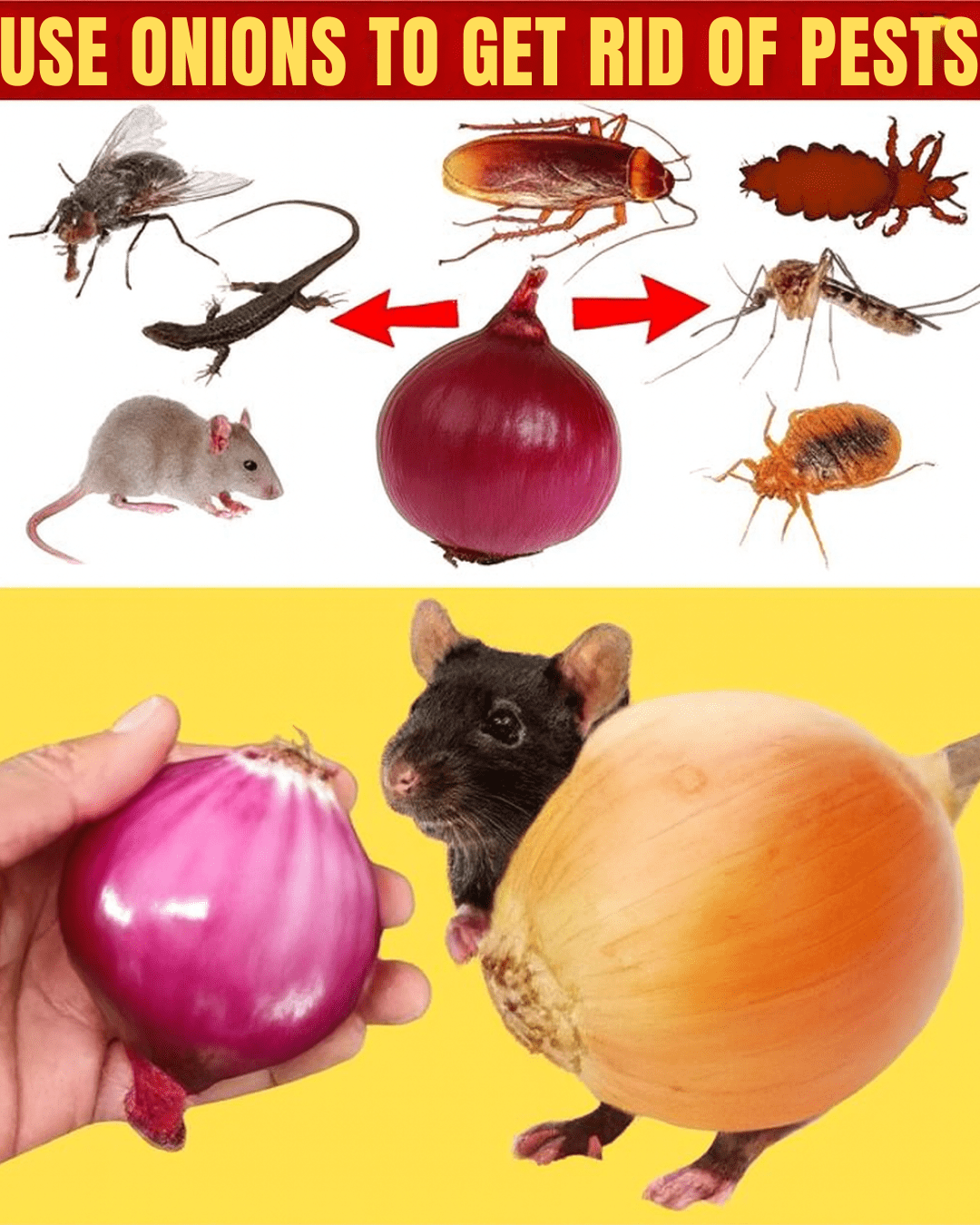
2. Onions – Simple but Powerful
The sulfur compounds in onions are irritating to rodents. A sliced onion placed near an entry point can make rats turn around fast.
Quick method:
- Cut an onion in half and place it where you’ve seen activity.
- Replace every 2–3 days (yes, it will smell strong—that’s the point).
Note: Keep onions away from pets, especially dogs, as they can be toxic in large amounts.
3. Ammonia – Mimics Predator Smell
Ammonia smells similar to the urine of predators like foxes and cats. In small, safe amounts, it creates serious discomfort for rats.
Safe homemade spray:
- 2 cups household ammonia
- ¼ cup water
- 2 tablespoons mild dish soap
- Mix in a spray bottle and lightly mist (never soak) corners and entry points.
Use in well-ventilated areas and avoid if you have birds or very young children.
4. Steel Wool + Caulk = Permanent Entry Blocking
Rats can squeeze through a hole the size of a quarter. The most important step is sealing gaps.
What works best:
- Stuff holes with steel wool (they can’t chew through it).
- Seal over with caulk or foam.
- Check doors, pipe entries, and vents—especially in garages and basements.
This alone can solve 80% of infestations when combined with repellents.
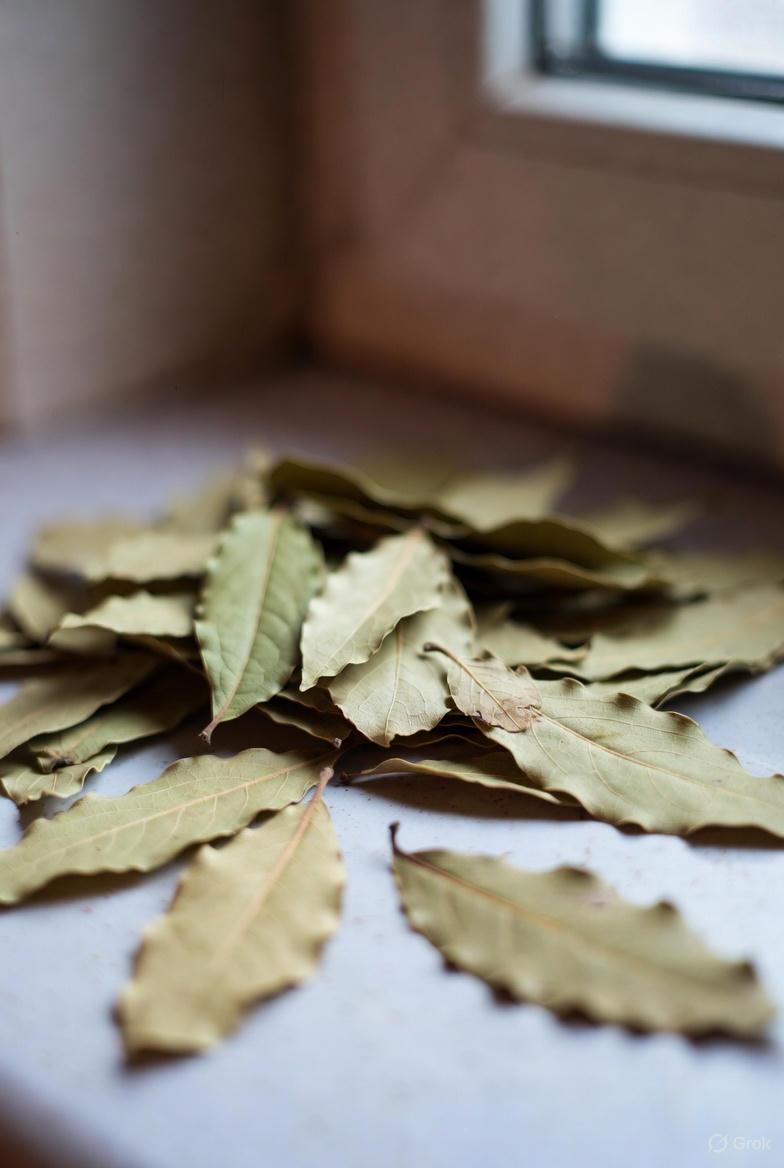
5. Bay Leaves as a Natural Deterrent
Rats are attracted to the smell of bay leaves but can’t digest them properly. Scattering whole or crushed dried bay leaves in drawers and pantries works as a mild deterrent.
Easy way:
- Place 4–5 whole bay leaves in corners of cabinets and near food storage.
- Replace monthly.
6. Proper Food Storage (The Prevention Game-Changer)
Rats only stay where they find food and water. Removing the buffet is half the battle.
Must-do habits:
- Store all dry goods (flour, rice, pet food) in hard plastic or metal containers with tight lids.
- Clean up crumbs immediately.
- Take trash out nightly and use a bin with a secure lid.
- Fix leaky pipes—rats need water daily.
7. Used Coffee Grounds and Cayenne Pepper Combo
Both have strong odors rats dislike. Sprinkle used (dried) coffee grounds mixed with a little cayenne pepper around entry points. Refresh after rain.
8. Ultrasonic Devices – Worth Mentioning
While results vary, some homeowners report success with plug-in ultrasonic repellents. Look for units that change frequency so rats can’t get used to the sound.
9. The Overlooked Hero: Proper Outdoor Maintenance
Here’s the secret most people miss: rats usually live outside and only come in when conditions are perfect.
Outdoor checklist:
- Keep grass trimmed and bushes 12–18 inches from the house.
- Store firewood 20 feet away and elevated.
- Remove bird seed spills and fallen fruit.
- Use metal trash cans with tight lids.
Do this, and rats often leave on their own—even without indoor repellents.
Putting It All Together – Your 7-Day Action Plan
Day 1–2: Deep clean + seal holes with steel wool
Day 3: Place peppermint cotton balls and onion slices
Day 4: Switch to airtight food storage
Day 5–7: Maintain outdoor yard hygiene and refresh repellents
Most people notice significantly less activity within one week.
Frequently Asked Questions
Q: Are these methods safe around children and pets?
A: Yes, when used as directed. Keep ammonia sprays high or in areas pets can’t reach, and store onions out of dogs’ reach.
Q: How long do natural repellents last?
A: Most need refreshing every 5–10 days. Strong scents fade, so consistency is key.
Q: What if I still see rats after two weeks?
A: You may have a larger infestation or hidden entry points. At that stage, contacting a licensed pest-control professional is the safest next step.
Final Thoughts
You don’t need toxic chemicals or expensive exterminators to take back your home. Simple, natural deterrents—combined with sealing entry points and removing food sources—can make your house extremely unattractive to rats. Start with one or two methods tonight, and you’ll likely sleep better by the end of the week.
Disclaimer: This article is for informational purposes only and is not a substitute for professional pest-control advice. If you have a severe infestation or health concerns, please consult a licensed pest management professional.
(Word count: 1,312)