
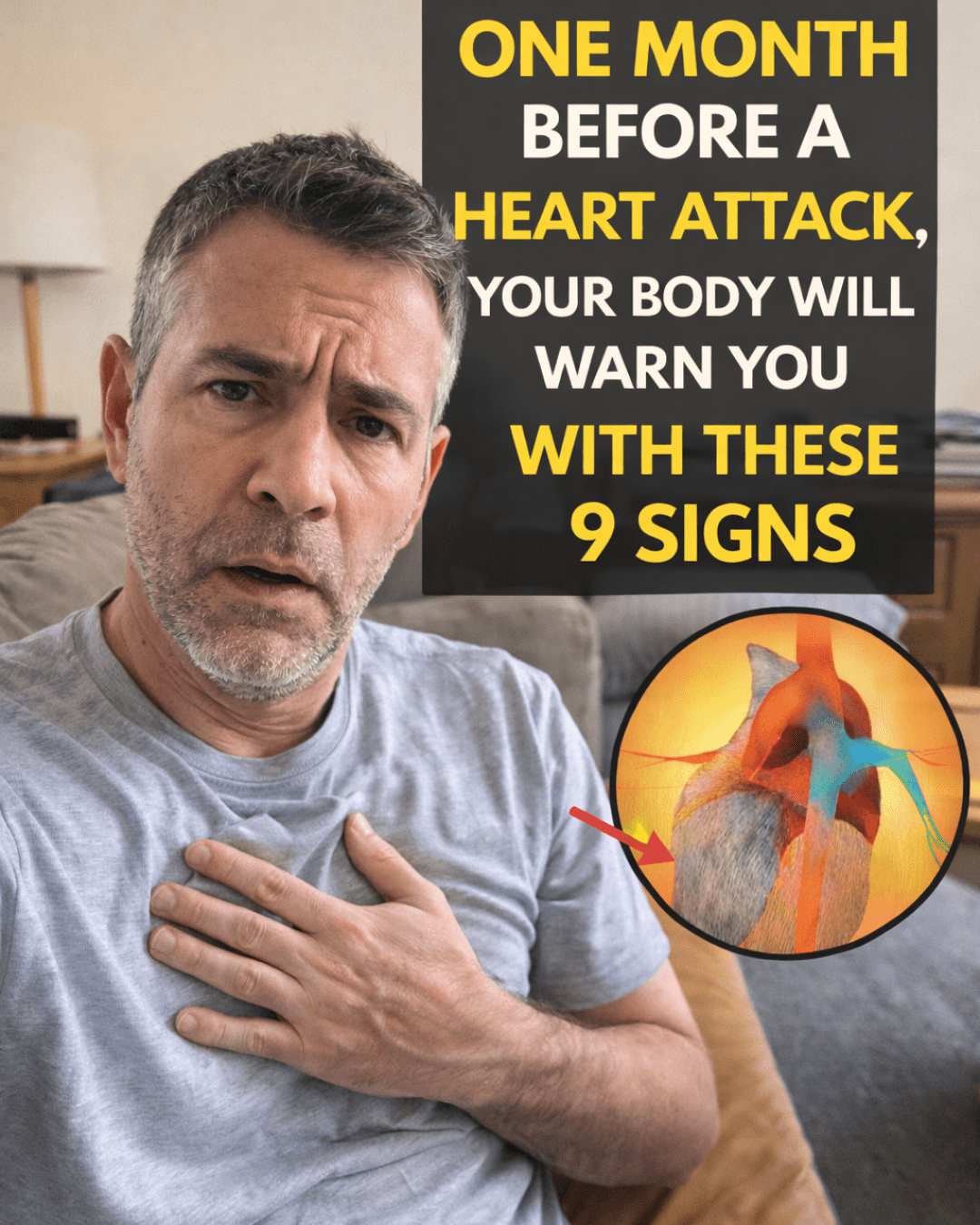
Heart disease remains one of the leading causes of death worldwide, and many people don’t realize that subtle changes in how they feel can appear weeks or even months before a serious event like a heart attack. These early signals are often easy to brush off as stress, aging, or just a bad day. But ignoring them can mean missing a crucial window to pay attention to your heart health. Research, including studies on prodromal symptoms, shows that many individuals experience these clues in the weeks leading up to a cardiac event.
The good news? Recognizing these patterns early and talking to a healthcare professional can make all the difference. In this article, we’ll explore 9 common subtle signs your body may send about heart health weeks in advance, based on insights from reputable sources like the American Heart Association and Mayo Clinic. Stick around until the end for practical steps you can take today to support your heart.
Why These Early Signs Matter More Than You Think
Your heart works tirelessly every day, pumping blood without a break. When blood flow starts to become restricted—often due to plaque buildup in the arteries—your body may begin sending out quiet warnings. These prodromal symptoms, as researchers call them, can come and go, making them easy to overlook.
But here’s the thing: studies, such as those reviewing experiences of heart attack survivors, indicate that up to 70% of people (especially women) report unusual fatigue or other changes well before the main event. But that’s not all… these signs can vary between individuals, and understanding them helps you listen to your body more effectively.
1. Unusual Fatigue That Won’t Go Away
Feeling wiped out even after a full night’s sleep or light activity? This is one of the most reported early signs. Research shows that persistent, unexplained tiredness affects a large number of people in the weeks before a heart event. Your heart may be working harder to pump blood, leaving you drained.
Unlike regular fatigue from a busy week, this feels deeper and doesn’t improve with rest.
2. Shortness of Breath During Everyday Tasks
You climb a short flight of stairs or walk to the mailbox, and suddenly you’re out of breath. This happens because your heart struggles to deliver enough oxygenated blood. Studies highlight shortness of breath as a frequent prodromal symptom, appearing weeks in advance for many.
It may come and go, but pay attention when it happens without heavy exertion.
3. Mild Chest Discomfort or Pressure
Not always a sharp pain—sometimes it’s just a vague tightness, heaviness, or squeezing in the chest. According to the Mayo Clinic, recurring chest discomfort that doesn’t resolve with rest can serve as an early indicator of reduced blood flow.
This can feel like indigestion or muscle strain, which is why it’s often dismissed.
Here are a few ways people describe it:
- A feeling of fullness or pressure
- Mild aching that spreads to the arms or back
- Discomfort that comes on during activity but eases with rest
4. Sleep Disturbances and Trouble Staying Asleep
Waking up frequently, struggling to fall asleep, or feeling unrested? A classic study on women who experienced heart attacks found sleep issues in nearly half of cases more than a month prior.
Your body might be responding to subtle changes in circulation or stress on the heart.
5. Pain or Discomfort in Unexpected Areas
Discomfort in the jaw, neck, back, shoulders, or even stomach can signal heart-related issues. The American Heart Association notes that pain radiating to these areas is common, especially in women.
These “atypical” signs can appear intermittently weeks ahead.
6. Unexplained Anxiety or a Sense of Doom
A sudden feeling of unease, like something bad is about to happen, is reported by some people. Reduced blood flow can trigger this response from the brain.
It’s not just “nerves”—it can be your body’s way of alerting you.
7. Dizziness or Lightheadedness
Feeling woozy when standing up quickly or during mild activity? This may happen as your heart has trouble maintaining steady blood pressure and flow.
Combined with other signs, it’s worth noting.
8. Nausea, Indigestion, or Stomach Upset
Many describe a persistent “upset stomach” or nausea without an obvious cause. This can mimic heartburn but stems from heart strain.
Research shows gastrointestinal complaints as part of early warning patterns.
9. Cold Sweats or Clammy Skin
Breaking out in a cold sweat, even in cool weather or during rest, is another clue. It often pairs with other symptoms like fatigue or chest discomfort.

Practical Steps to Support Your Heart Health Starting Today
You don’t have to wait for symptoms to act. Here are simple, evidence-based habits to promote better heart health:
- Monitor your symptoms — Keep a quick journal of how you feel each day, noting fatigue, breathlessness, or discomfort.
- Move more — Aim for at least 30 minutes of moderate activity most days, like brisk walking.
- Eat heart-friendly foods — Focus on fruits, vegetables, whole grains, and lean proteins while limiting processed foods and salt.
- Manage stress — Try deep breathing, meditation, or talking to someone you trust.
- Schedule regular check-ups — Share any subtle changes with your doctor for personalized advice.
These small changes add up and can help reduce risk factors over time.
Frequently Asked Questions (FAQ)
Can everyone experience these signs weeks before a heart event? No, some heart attacks happen suddenly without prior warnings. However, many people do report subtle changes, and recognizing them can encourage timely medical attention.
Are these signs different for men and women? Yes, women often experience more atypical symptoms like fatigue, nausea, or back pain, while chest discomfort is common in both. Always take any unusual changes seriously.
What should I do if I notice several of these signs? Contact a healthcare professional right away. Early evaluation can help assess your heart health and prevent complications.
This article is for informational purposes only and is not a substitute for professional medical advice. If you experience any concerning symptoms, seek immediate medical attention from a qualified healthcare provider. Do not delay care based on this content.


