As we get older, especially after 45, many people start noticing subtle changes like occasional fatigue, mild swelling in the ankles, or just feeling a bit less energetic than before. These signs can sometimes point to the kidneys working a little harder to filter waste and balance fluids in the body. The good news is that simple dietary choices might offer gentle support through nutrient-rich foods. Keep reading to discover an approachable list that could make a refreshing difference—and there’s a simple 30-day plan waiting at the end.

Why Kidney Health Matters More After Age 45
Kidneys play a vital role in filtering blood, removing waste, and maintaining fluid balance every single day. With time, factors like inflammation, oxidative stress, or common conditions such as high blood pressure can affect their efficiency.
Research shows that diets rich in antioxidants may help protect cells from damage caused by free radicals. Yet many adults overlook how everyday groceries could contribute to overall wellness in this area.
The truth is, small consistent changes in what we eat might add up over time. But which foods stand out the most?
What Makes Certain Foods Particularly Helpful for Kidneys
Experts often highlight foods that are naturally low in potassium, sodium, and phosphorus while being high in protective compounds like antioxidants and healthy fats.
Studies suggest that colorful plant foods containing anthocyanins, polyphenols, and omega-3 fatty acids may help reduce oxidative stress and inflammation in the body.
These options are generally gentle and easy to find at any grocery store. Ready for the countdown?
9 Everyday Superfoods Worth Adding to Your Plate
Here’s a practical list based on nutritional profiles and emerging research. Individual results vary, but these foods are frequently recommended for their supportive qualities.
9. Cauliflower
This versatile vegetable is low in potassium and provides fiber along with vitamin C. It can be steamed, roasted, or mashed as a gentle side dish.
8. Garlic
Packed with allicin and other sulfur compounds, garlic adds flavor without extra sodium. Research indicates these compounds may have anti-inflammatory properties.
7. Olive Oil
Extra virgin olive oil contains polyphenols that studies link to reduced oxidative stress. Use it for drizzling or light cooking.
6. Fatty Fish (Like Salmon)
Rich in omega-3 fatty acids, options like salmon are associated with lower inflammation markers in various studies. Aim for 2 servings per week.
5. Red Bell Peppers
Bright, crunchy, and low in potassium, they deliver vitamin C and A to support overall immunity and cell health.
4. Apples
A convenient snack with pectin fiber that may help maintain healthy cholesterol levels, indirectly easing the workload on kidneys.
3. Cabbage
Affordable and crisp, cabbage offers phytochemicals that research suggests could aid natural detoxification processes.
2. Leafy Greens (In Moderation)
Kale, spinach, and similar greens provide antioxidants. Choose lower-potassium varieties and keep portions reasonable.
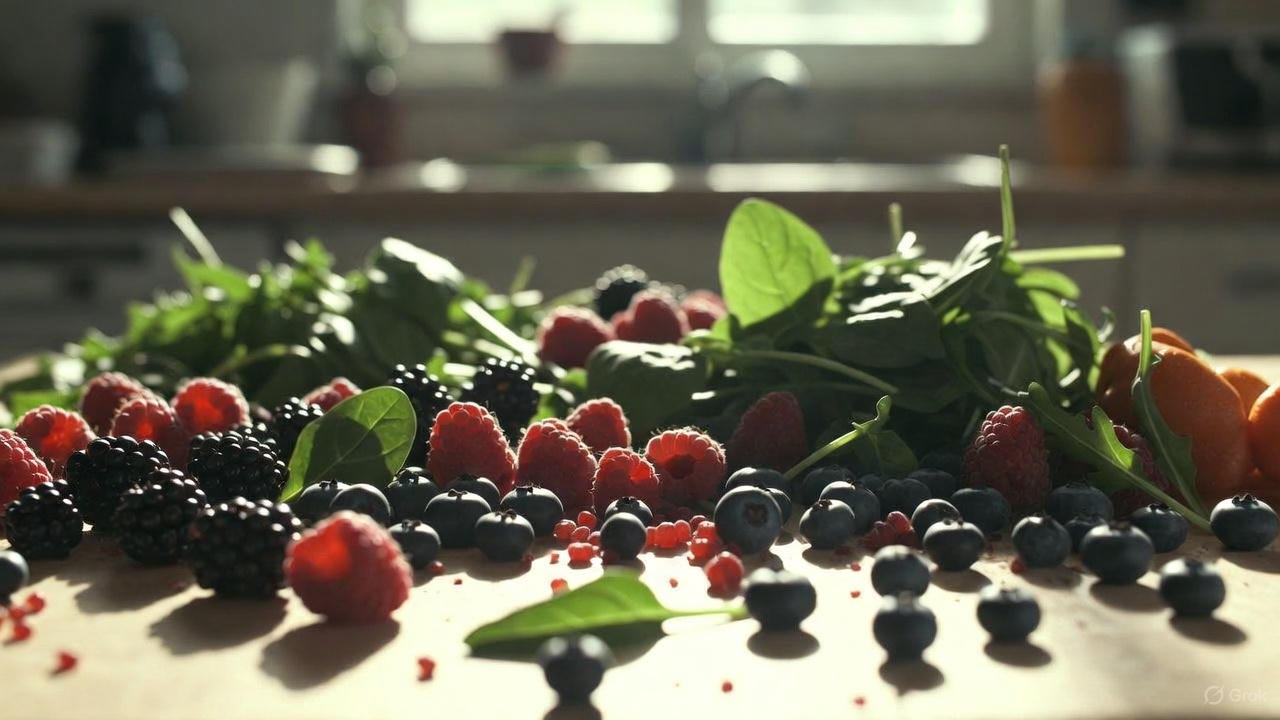
1. Berries (Blueberries, Cranberries, Strawberries)
Topping many lists, berries are bursting with anthocyanins. Multiple studies point to their potential in combating oxidative damage and supporting urinary tract comfort.
But that’s not all—how do these compare to typical choices?
Superfoods vs. Common Alternatives: A Quick Comparison
| Food Type | Antioxidant Support | Inflammation Impact | Potassium Level | Fiber Content |
|---|---|---|---|---|
| Berries & Cranberries | High | Potentially lower | Generally low | Good |
| Leafy Greens (moderate) | High | Potentially lower | Varies | Excellent |
| Processed Snacks | Low | May increase | Varies | Often low |
| High-Sodium Meats | Minimal | Often higher | Moderate to high | Low |
Whole foods tend to offer a more balanced profile according to nutritional research.
Real-Life Experiences with These Foods
Many people in their 50s and 60s report feeling more energetic after consistently including these items. One reader shared that adding berries to morning yogurt and swapping butter for olive oil made meals feel lighter within a few weeks.
Another mentioned enjoying grilled salmon twice weekly and noticing steadier energy throughout the day. These stories highlight how small swaps can become enjoyable habits.
The interesting part? Consistency over 30 days often brings the most noticeable shifts.
How to Incorporate These Superfoods Safely and Easily
Start simple—no need for complicated recipes.
Here are practical ways to begin:
- Add a handful of berries to oatmeal or yogurt each morning.
- Use garlic and olive oil when sautéing vegetables.
- Snack on apple slices or raw red bell peppers with hummus.
- Include cauliflower mash instead of potatoes a few times per week.
- Enjoy baked salmon or other fatty fish for dinner twice weekly.
Sample daily ideas:
- Breakfast: Berry smoothie with a splash of lemon.
- Lunch: Large salad with cabbage, red peppers, and a drizzle of olive oil.
- Dinner: Grilled fish with steamed cauliflower and garlic seasoning.
- Snack: Fresh apple or small portion of kale chips.
Stay hydrated with plenty of water, as it supports overall filtration naturally.
Your Simple 30-Day Kidney-Supportive Eating Plan
Week 1: Focus on adding 2–3 new foods (e.g., berries, garlic, olive oil).
Week 2: Include red bell peppers and apples daily.
Week 3: Try fatty fish twice and experiment with cauliflower recipes.
Week 4: Combine everything and notice how meals feel more vibrant.
Track energy levels or general comfort in a small journal—it helps stay motivated.
Research consistently shows that gradual dietary patterns rich in plant foods and healthy fats may contribute to better long-term wellness.
Final Thoughts: Small Changes, Potential Big Rewards
Incorporating these nine superfoods offers an approachable way to nourish your body with antioxidants, fiber, and beneficial fats. Over 30 days, many find their plates more colorful and their routines more enjoyable.
Remember, food works best alongside other healthy habits like staying active and getting regular check-ups.
What will be your first superfood to try this week?
Frequently Asked Questions
Can these foods improve kidney function quickly?
While no food works overnight, research suggests consistent intake of antioxidant-rich options may support cellular health over weeks to months. Results vary by individual.
Are these superfoods safe for everyone with kidney concerns?
Most are gentle for general use, but portion control matters—especially with potassium-containing foods. Always check with your healthcare provider first.
How much water should I drink alongside these foods?
Adequate hydration is key. Aim for about 8 glasses daily unless your doctor advises otherwise, as water helps kidneys filter waste efficiently.
This article is for informational purposes only and is not medical advice. The potential benefits mentioned are supported by general research, but individual outcomes differ. Always consult your healthcare professional before making dietary changes, especially if you have existing health conditions.