
Many people enjoy their daily favorites like a morning banana, creamy avocado toast, or a refreshing glass of orange juice, thinking they’re making healthy choices. Yet for those with early signs of kidney challenges or reduced function, these common foods can quietly add extra work to the kidneys by contributing higher levels of potassium, phosphorus, sodium, or oxalates. Research shows that more than 35 million American adults are living with chronic kidney disease, and most don’t realize it until later stages because symptoms often stay silent at first. The good news? Simple awareness and thoughtful adjustments can help support your kidney health without sacrificing taste or enjoyment.
In this guide, you’ll discover nine everyday foods that might deserve a second look if you’re watching your kidney health, along with practical, delicious alternatives backed by insights from trusted sources like the National Kidney Foundation.

Why Kidneys Need Extra Care from Your Diet
Your kidneys filter waste, balance fluids, and regulate important minerals every single day. When function slows—even mildly—minerals like potassium and phosphorus can build up, potentially leading to fatigue, swelling, or other issues over time. But here’s the encouraging part: studies suggest that choosing foods lower in these elements can lighten the load and support overall well-being. The key is moderation and smart swaps, especially if you have risk factors like diabetes, high blood pressure, or a family history.
But that’s not all… some of the biggest surprises come from foods praised as super healthy.
9 Everyday Foods That May Need a Closer Look
Here are nine popular items that often appear in healthy routines but can contribute higher amounts of potassium, phosphorus, sodium, or oxalates.
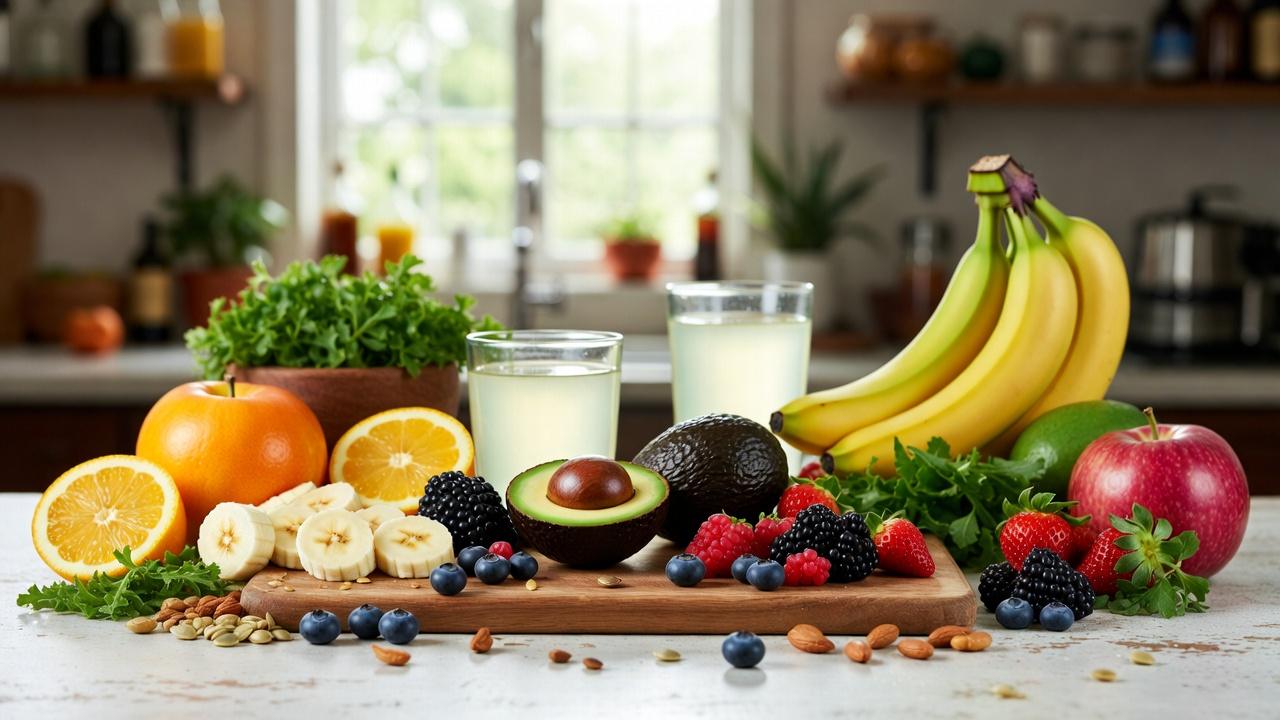
9. Bananas – A Potassium-Rich Classic A medium banana packs around 400 mg of potassium. While great for energy in healthy diets, higher potassium intake may be something to monitor closely when kidneys need support.
8. Avocados – Creamy and Popular Half an avocado delivers nearly 500 mg of potassium. It’s heart-friendly for many, but portion awareness helps when mineral balance matters.
7. Oranges and Orange Juice – Morning Boost with a Twist One glass of orange juice can contain about 500 mg of potassium. Fresh oranges add vitamin C, but alternatives keep the ritual going.
6. Spinach – The Green Powerhouse A cup of cooked spinach holds high oxalates and potassium. It’s nutrient-dense, yet it may contribute to concerns for those prone to certain kidney stones.
5. Dried Fruits (Like Apricots) A small handful of dried apricots can exceed 1,000 mg of potassium—concentrated and easy to overdo.
4. Red and Processed Meats Higher animal protein creates more waste products for kidneys to handle, and processed versions often add sodium and phosphorus.
3. Whole-Wheat Bread and Grains Two slices can provide noticeable phosphorus and potassium, especially with additives in some brands.
2. Pickles and High-Sodium Condiments One large pickle might deliver over 1,000 mg of sodium, pushing blood pressure and kidney workload.
1. Dark-Colored Sodas These contain added phosphoric acid, which research links to increased strain over time.
The truth is… many of these foods aren’t “bad”—they’re just worth rethinking portions or frequency for kidney support.
Kidney-Friendly Alternatives That Still Taste Great
Small changes can make a big difference. Here are some practical swaps:
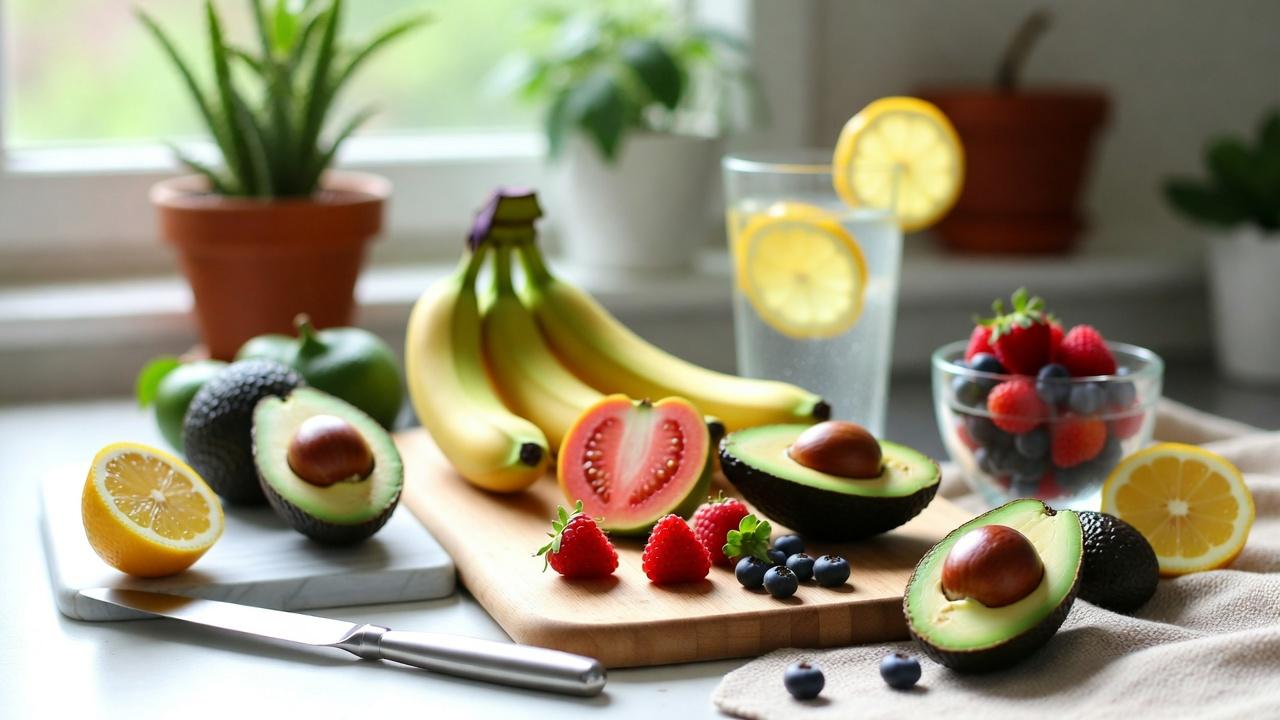
- Instead of bananas: Try ½ cup of blueberries or strawberries (much lower potassium).
- Instead of avocados: Use a drizzle of olive oil with lemon for creaminess.
- Instead of orange juice: Choose cranberry, apple, or grape juice (in moderation).
- Instead of spinach: Opt for kale, cabbage, or lettuce (lower in oxalates).
- Instead of dried fruits: Fresh berries or apples.
- Instead of red/processed meats: Grilled chicken, fish, or eggs.
- Instead of whole-wheat bread: White bread or sourdough without phosphate additives.
- Instead of pickles: Fresh cucumber slices with herbs.
- Instead of dark sodas: Sparkling water with lemon.
These options keep meals flavorful while helping manage mineral intake.
Quick Comparison: High vs. Lower Options
Here’s a simple side-by-side to visualize easier choices:
| Food | Approximate Amount (per serving) | Kidney-Supportive Swap | Approximate Amount |
|---|---|---|---|
| Medium banana | 422 mg potassium | ½ cup blueberries | ~57 mg potassium |
| ½ avocado | ~485 mg potassium | Olive oil + lemon drizzle | <10 mg potassium |
| 8 oz orange juice | ~496 mg potassium | 8 oz cranberry juice | ~150 mg potassium |
| 1 cup cooked spinach | High oxalates + potassium | 1 cup cooked kale | Lower oxalates |
| 1 large dill pickle | ~1,200 mg sodium | Fresh cucumber slices | ~2 mg sodium |
Portion size truly matters—start small and adjust based on how you feel.
Actionable Steps to Support Your Kidneys This Week
Ready to get started? Here are easy, step-by-step tips:
- Talk to your doctor — Request a basic check of creatinine, eGFR, and electrolytes to understand your current level.
- Read labels carefully — Look for added phosphorus (words like “phos”), sodium, and potassium info.
- Try one swap at a time — Pick berries over bananas for breakfast this week and note how you feel.
- Stay hydrated wisely — Add lemon to water (low potassium and may help with stone prevention).
- Track your progress — Keep a simple food journal for two weeks to spot patterns.
Many people notice more energy with these tweaks, and it’s empowering to take small, sustainable steps.
Wrapping It Up: Small Choices, Big Support
Your kidneys work tirelessly behind the scenes, and giving them thoughtful food choices can make a real difference in feeling your best. The foods on this list are enjoyed by millions, but when paired with awareness and alternatives, you can keep enjoying meals without extra worry. Start with one change today—your body will appreciate the extra care.
FAQ
What are the early signs that my kidneys might need dietary attention? Common subtle clues include fatigue, mild swelling in ankles, or changes in urination, but many people feel fine early on. Regular check-ups are the best way to know.
How strict do I need to be with these foods if my kidneys are healthy? If your kidney function is normal, these foods are usually fine in moderation. Limits become more important with reduced function or risk factors—always check with your doctor.
Can I still eat fruits and veggies on a kidney-supportive plan? Absolutely! Focus on lower-potassium options like apples, berries, cabbage, cauliflower, and peppers—they’re nutritious and flavorful.
Disclaimer: This article is for informational purposes only and is not a substitute for professional medical advice. Always consult your healthcare provider or a registered dietitian for personalized guidance on your diet and health.


