
Menopause brings changes that many women expect, like hot flashes and irregular periods, but it can also introduce surprising symptoms that feel confusing or unrelated. These lesser-known signs often appear during perimenopause or early menopause, catching women off guard and affecting daily comfort, energy, and confidence. The good news is that understanding these changes and making small lifestyle adjustments can help you navigate this natural transition with greater ease. Stick around until the end for a simple daily habit many women find surprisingly helpful in supporting overall well-being during this time.
Why These Lesser-Known Symptoms Happen
As estrogen levels fluctuate and gradually decline, the body responds in ways that go beyond the most talked-about hot flashes and mood swings. Research shows these hormonal shifts can influence everything from joint comfort to sensory experiences. While every woman’s journey is unique, recognizing these patterns early empowers you to make informed choices about your routine.
But that’s not all – some symptoms are so subtle they get brushed off as stress or aging.
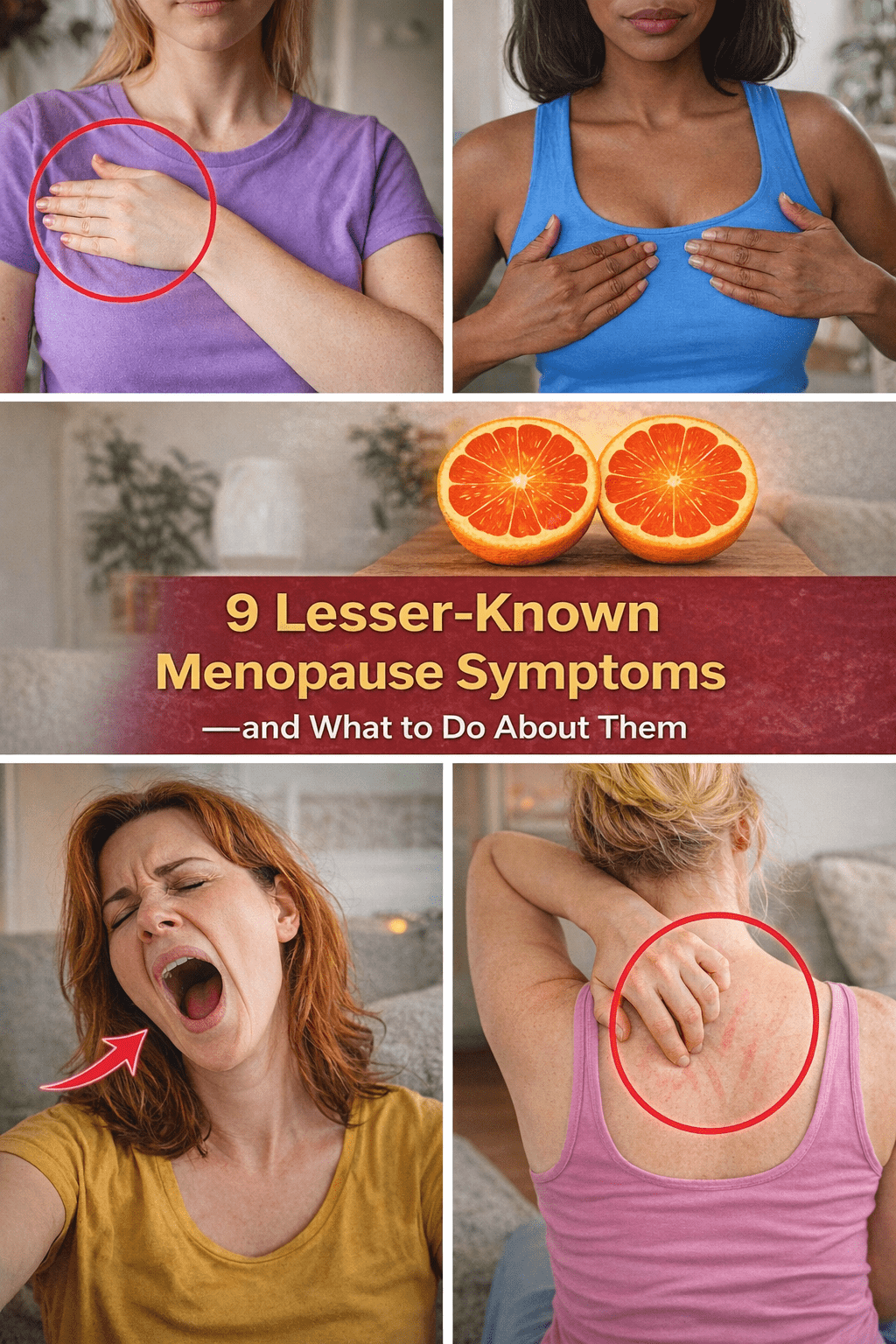
Surprising Symptom #1: Joint Pain and Stiffness
Many women notice new aches in knees, hands, or shoulders during perimenopause. Studies suggest the drop in estrogen can affect joint tissues, leading to discomfort that feels different from regular wear-and-tear.
This can make morning movement feel harder or workouts less enjoyable.
Surprising Symptom #2: Changes in Taste or Smell Sensitivity
Some women report food tasting different or smells becoming more intense. Hormonal changes may influence sensory processing, making everyday experiences feel off.
It’s one of those quiet shifts that can affect appetite or enjoyment of meals.
Here are a few more lesser-known signs that research and women’s experiences highlight:
- Dry eyes, mouth, or skin – Estrogen helps maintain moisture in tissues, so declines can lead to irritation.
- Tingling or “pins and needles” sensations – Nerve sensitivity may increase temporarily.
- Digestive shifts like bloating or changes in bowel habits.
- New or worsening allergies – Including sneezing, runny nose, or histamine responses.
- Cold flashes – The opposite of hot flashes, bringing sudden chills.
These vary widely, but tracking them in a journal helps spot patterns.
How These Symptoms Might Show Up in Daily Life
Imagine waking up with stiff fingers that make gripping your coffee mug tricky, or noticing your eyes feel gritty by afternoon. These moments add up, creating frustration on top of other changes.
The key is noticing when multiple signs appear together – that’s often when lifestyle tweaks make the biggest difference.

Practical Ways to Support Your Comfort During Menopause
You don’t need drastic changes to feel better. Small, consistent habits can help ease discomfort and support your body’s natural adjustment.
Here are actionable steps many women find helpful:
- Stay active with gentle movement Aim for 30 minutes most days – walking, swimming, or yoga can improve joint flexibility, mood, and sleep. Weight-bearing activities like brisk walks also support bone health.
- Focus on a balanced, nutrient-rich diet Include foods with phytoestrogens (soy, flaxseeds, chickpeas) and plenty of calcium-rich options (leafy greens, fortified plant milks). Stay hydrated to help with dryness.
- Manage temperature fluctuations Dress in layers, keep your bedroom cool, and avoid common triggers like spicy foods, caffeine, or alcohol if they worsen flashes.
- Prioritize rest and stress reduction Create a calming bedtime routine, practice deep breathing, or try mindfulness. Better sleep often reduces fatigue and mood dips.
- Consider simple home comforts Use moisturizers for skin and eyes, and over-the-counter lubricants for dryness if needed.
Research supports that regular exercise and healthy eating habits contribute to better symptom management over time.
Quick Comparison: Common vs. Lesser-Known Symptoms
| Symptom Type | Examples | How It Might Feel | Simple Support Tip |
|---|---|---|---|
| Common | Hot flashes, night sweats | Sudden heat, disrupted sleep | Layers & cool environment |
| Lesser-Known | Joint aches, dry eyes | Stiffness, irritation | Gentle movement & hydration |
| Common | Mood changes | Irritability or low mood | Stress reduction practices |
| Lesser-Known | Sensory changes (taste/smell) | Food tastes off | Experiment with fresh ingredients |
| Both | Fatigue | Persistent tiredness | Consistent sleep routine |
When to Talk to Your Healthcare Provider
If symptoms interfere with daily life, or if you notice changes before age 45, sharing your experiences with a doctor can provide clarity. They may suggest tests or discuss options tailored to you.
Tracking symptoms for a few weeks before your appointment makes conversations more productive.

Wrapping It Up: Embrace This Phase with Confidence
Menopause is a natural transition, and while some symptoms surprise us, small daily habits can make a meaningful difference in how comfortable you feel. By paying attention to your body and making supportive choices, you can move through this stage feeling more in control.
What’s one small change you’ll try this week? Many women discover that consistency brings the biggest relief.
Frequently Asked Questions
What is the difference between perimenopause and menopause? Perimenopause is the transition phase with fluctuating hormones and changing periods, often lasting several years. Menopause is reached after 12 full months without a period.
Can lifestyle changes really help with menopause symptoms? Yes – studies show regular physical activity, balanced nutrition, and stress management can ease many discomforts and support long-term health.
Is early menopause more serious? Early menopause (before 45) may increase certain long-term health considerations, like bone and heart health. Discussing it with a healthcare provider helps with personalized guidance.
This article is for informational purposes only and is not a substitute for professional medical advice. Always consult your healthcare provider for personalized guidance regarding your health.


