Dealing with chronic health issues—whether it’s the daily spike of blood pressure or the anxiety over managing blood sugar—can feel like a relentless uphill battle. You’ve likely tried every diet tip, every lifestyle change, and yet you still find yourself searching for that missing piece, that natural edge to feel truly well again. This constant search often leads us to incredible claims about superfoods, like the idea that a simple seed could hold the key to dramatic health turnarounds. The truth is, while no single food is a miracle cure, many common kitchen ingredients, like the often-discarded seed of an avocado, are packed with natural compounds that modern science is finally starting to recognize for their powerful health-supporting properties. Keep reading to discover the fascinating, research-backed ways the nutrients in the avocado seed and its partners (Hibiscus and Cloves) work in your body—plus, the simple steps to harness this potential in your own kitchen starting today.
The Science Behind The Claims: What’s Inside The Avocado Seed?
In the world of health folklore, few things are as sensationalized as the avocado seed. The dramatic claims you hear are almost certainly exaggerations, but the seed itself is far from useless. Most people toss this large pit into the trash without realizing they are discarding a concentrated source of certain beneficial compounds.
The primary benefit of the avocado seed comes down to one powerful word: Antioxidants.
Understanding Antioxidants and Your Health
Antioxidants are natural compounds that fight harmful molecules called free radicals in your body. Free radicals cause oxidative stress, which is a key factor contributing to the development of many chronic conditions.
- Damage: Oxidative stress can harm cells and DNA.
- Benefit: Antioxidants neutralize these free radicals, helping to protect cells and reduce inflammation throughout the body.
The seed contains significantly high levels of phenolic compounds, more than the flesh itself, according to studies. This is the true power—supporting your body’s natural defenses, not miraculously erasing disease.
The Three Components of This Wellness Blend
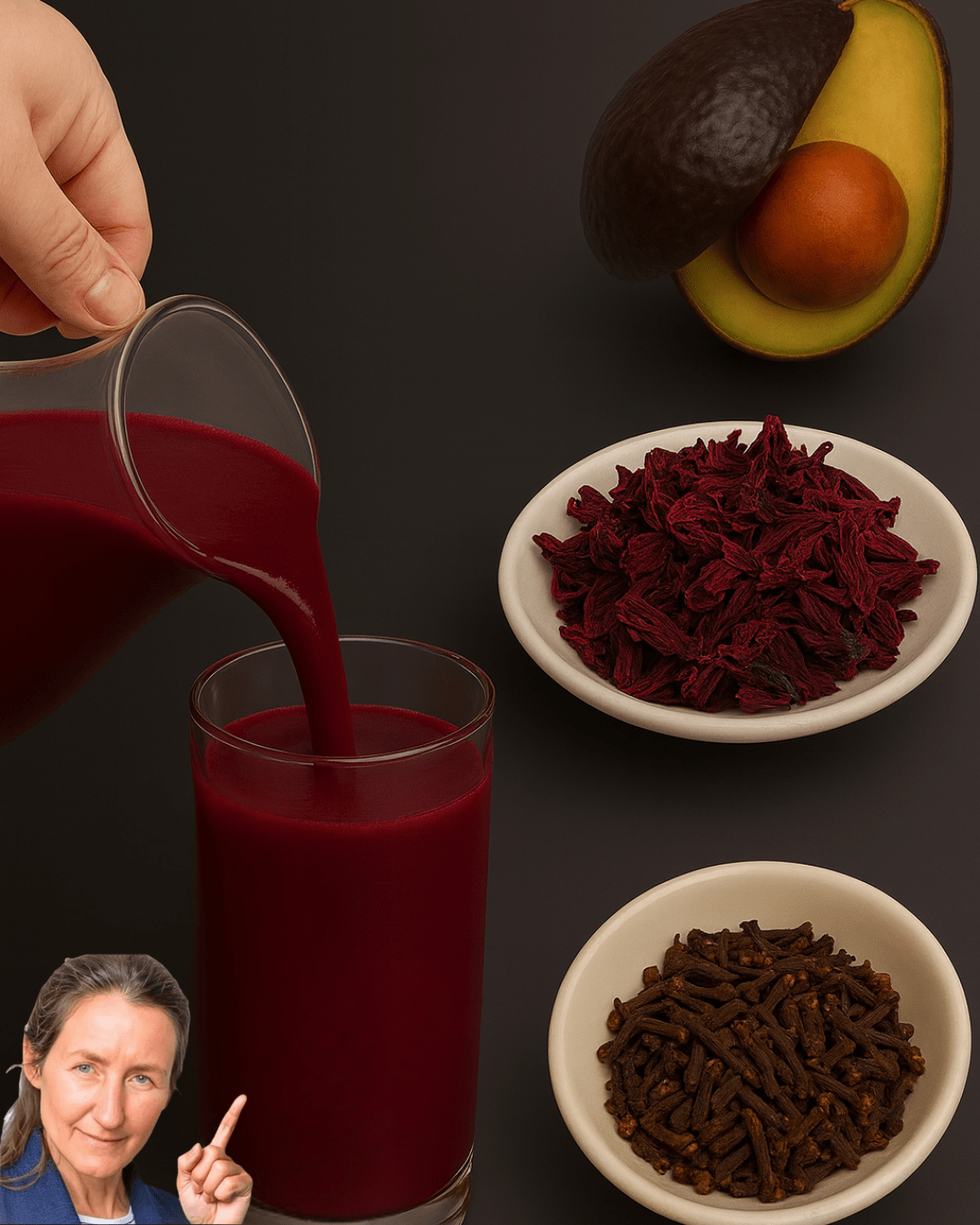
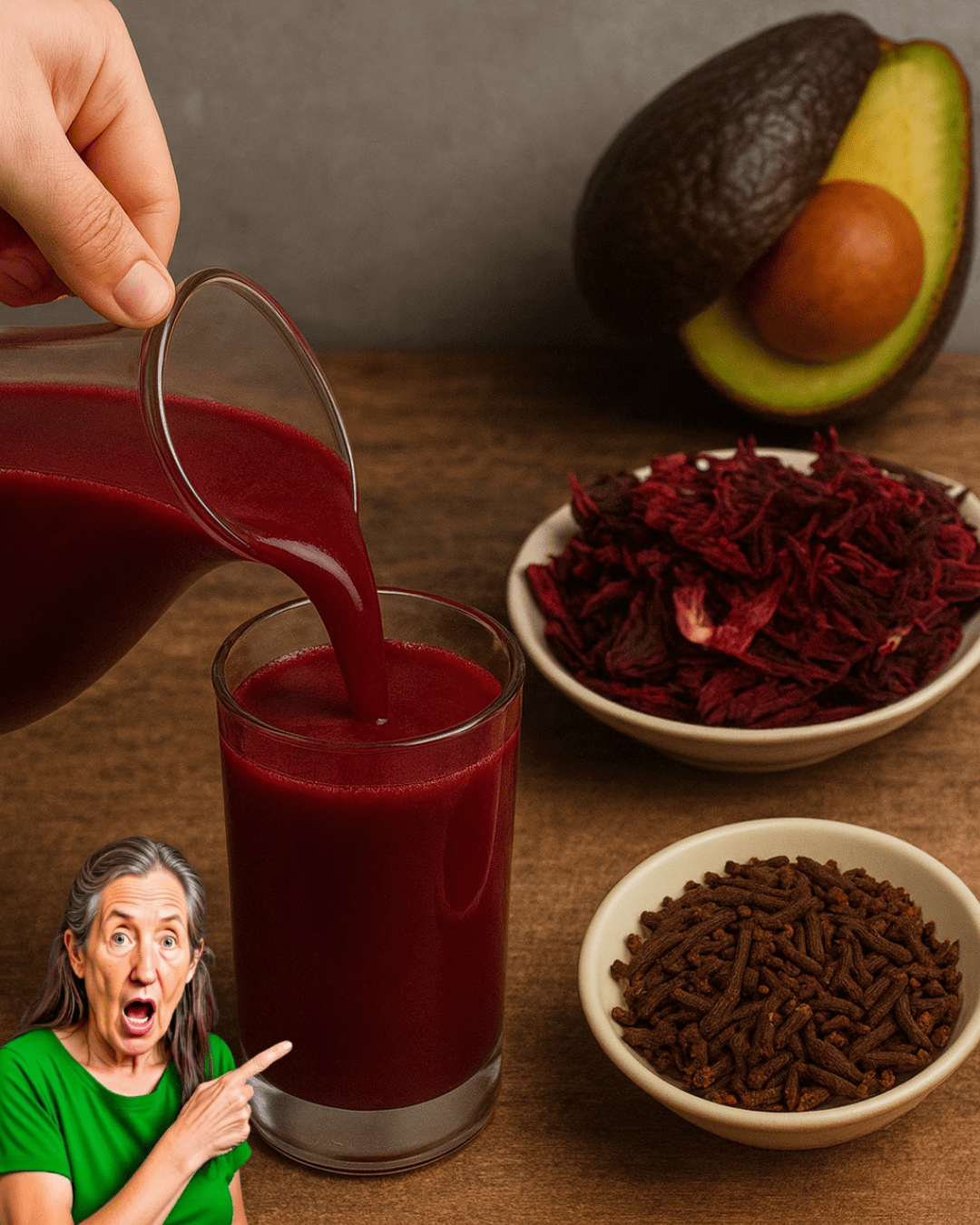
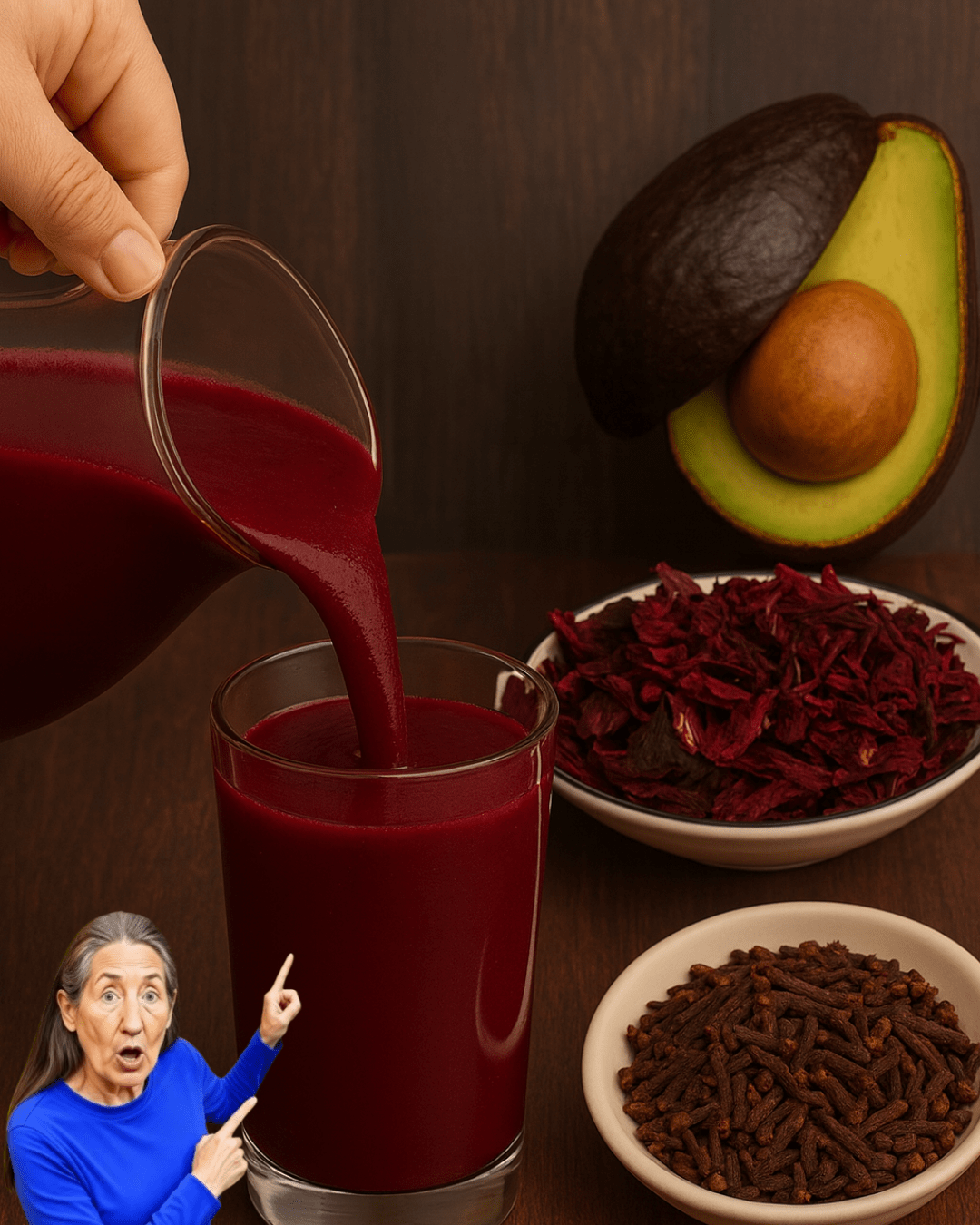
The popular remedy often associated with this seed, as pictured, combines it with other highly-regarded natural ingredients. It’s the synergy of these components that is most interesting to health experts:
- Avocado Seed: Rich in phenolic compounds and fiber.
- Hibiscus (Roselle): Known for its intense color and potent phytochemicals.
- Cloves: A spice with remarkable antioxidant and anti-inflammatory power.
Focusing on Proven Benefits: Circulation and Blood Pressure
While we must be clear that no food can cure serious diseases, scientific research strongly supports the role of these ingredients in two key areas: blood pressure regulation and circulatory health.
How Hibiscus Supports Healthy Blood Pressure
This is one area where the evidence is particularly strong. Many clinical trials have investigated the impact of Hibiscus sabdariffa (Roselle) on blood pressure.
- Mechanism: Research suggests that compounds in Hibiscus act like natural ACE inhibitors, helping to relax the blood vessels and reduce fluid retention.
- The Result: Drinking Hibiscus tea regularly has been shown in some studies to significantly help lower both systolic and diastolic blood pressure in adults with mild to moderate hypertension.
Bucket Brigade: But what about poor circulation? That’s where the next ingredient steps in…
Cloves: Circulation and Anti-Inflammatory Power
Cloves are often overlooked as just a spice, but they contain a compound called eugenol, which is responsible for much of its therapeutic potential.
Eugenol gives cloves their distinct smell and provides powerful anti-inflammatory effects. Inflammation is a major root cause of poor circulation and stiff blood vessels.
| Ingredient Benefit | Primary Function | Traditional Use Supported By Science |
| Avocado Seed | Antioxidant Protection | Reducing Oxidative Stress and Inflammation |
| Hibiscus | Vascular Relaxation | Supporting Healthy Blood Pressure Levels |
| Cloves | Anti-Inflammatory | Improving Circulation and Fighting Inflammation |
By reducing chronic inflammation, cloves may help support the health and flexibility of your blood vessels, leading to better circulation over time.
The Seed and Metabolism: Blood Sugar Support
Managing blood sugar is about controlling how your body uses carbohydrates and regulates the hormone insulin. While the avocado seed is not a substitute for standard diabetes treatment, its fiber content is a compelling factor.
The Role of Fiber in Metabolic Health
The avocado seed is an excellent source of dietary fiber. This is important because fiber slows down digestion and the absorption of sugar into the bloodstream.
- Steady Release: Fiber helps prevent sharp spikes in blood sugar after meals.
- Gut Health: It supports a healthy microbiome, which is increasingly linked to better insulin sensitivity.
Bucket Brigade: This combination of high fiber from the seed and vascular support from the Hibiscus makes a compelling case for its use as a supportive tool…
Actionable Tips: How to Safely Use the Avocado Seed
If you are interested in incorporating the avocado seed’s nutrients into your diet, preparation is everything. The seed is extremely hard and must be ground into a powder.
Step-by-Step Preparation Guide
- Clean and Dry: Wash the avocado seed thoroughly to remove any flesh. Pat it dry, then let it air-dry for several hours or overnight to reduce moisture.
- Chop and Powder: Carefully use a sharp knife to chop the dry seed into smaller pieces. Then, transfer the pieces to a powerful blender or a coffee/spice grinder and process until it becomes a fine powder.
- The Brew: Combine 1/2 teaspoon of the avocado seed powder with 1 tablespoon of dried Hibiscus petals and a pinch of whole cloves.
- Steep: Place the mixture in a mug and pour boiling water over it. Let it steep for 10–15 minutes.
- Serve: Strain the liquid and drink. Note: The powder can be quite bitter, so you may need to add a natural, low-calorie sweetener like stevia.
Safety Note: Always start with a very small amount (1/4 teaspoon) of the seed powder, as some people may find it difficult to digest due to the high tannin and fiber content.
Conclusion: A Supportive Tool, Not a Cure
The secret behind the exaggerated claims is the very real power of concentrated natural compounds. The avocado seed, coupled with Hibiscus and Cloves, offers a rich blend of antioxidants, anti-inflammatories, and fiber that can significantly support healthy blood pressure and circulation, reducing the overall stress on your body. While these natural ingredients are not magic bullets that empty hospitals, they are powerful dietary tools that, when combined with your doctor’s treatment plan, can put you firmly back in control of your daily well-being. By swapping the sensational claims for scientific facts, you unlock a sustainable, supportive path to better health.
FAQ: Common Questions About This Blend
Q1: Is the avocado seed powder safe to consume every day? A: While studies show the powder is generally safe in small amounts, long-term human safety data is limited. Start slow, use small portions (no more than 1/2 teaspoon per day), and monitor your body’s reaction. Always discuss its use with your primary care physician.
Q2: Will this mix interact with my blood pressure medication? A: Yes, it might. Hibiscus, in particular, has blood pressure-lowering effects and could potentially compound the effects of antihypertensive medications, leading to blood pressure that is too low. Never stop or change your medication without consulting your doctor.
Q3: How quickly can I expect to see the benefits? A: Unlike medications, dietary changes and natural remedies work slowly by supporting the body’s long-term health processes. While some might feel a difference in energy or digestion relatively quickly, expect supportive benefits for blood pressure and circulation to take several weeks or months of consistent, monitored use.
Disclaimer: This article provides general information and is not a substitute for professional medical advice, diagnosis, or treatment. You must always consult with a qualified healthcare professional, such as your doctor or a registered dietitian, before beginning any new treatment, changing your diet, or consuming any supplements or natural remedies, especially if you have pre-existing health conditions like cancer, diabetes, or hypertension.