The gradual anxiety of noticing your vision is becoming blurrier, struggling to read fine print, or experiencing increasing eye fatigue can be profoundly worrying, making you fear the possibility of serious, age-related vision degradation. This daily struggle often leaves people feeling helpless, convinced that the only path forward involves costly specialist treatments or complex supplements, overlooking the power of simple, foundational nutrition to support the delicate structures of the eye. We deeply understand the desire to protect and nourish your vision with accessible, natural methods endorsed by traditional wisdom and modern nutritional science. Fortunately, a simple, vibrant juice blend featuring carrots, ginger, and lemon is gaining widespread attention for its potent mix of vision-supporting nutrients. But before you rush to your kitchen, you must know about the specific antioxidant in carrots that is essential for retinal function, and we will reveal the name and function of that critical eye-protecting molecule in the science section below.
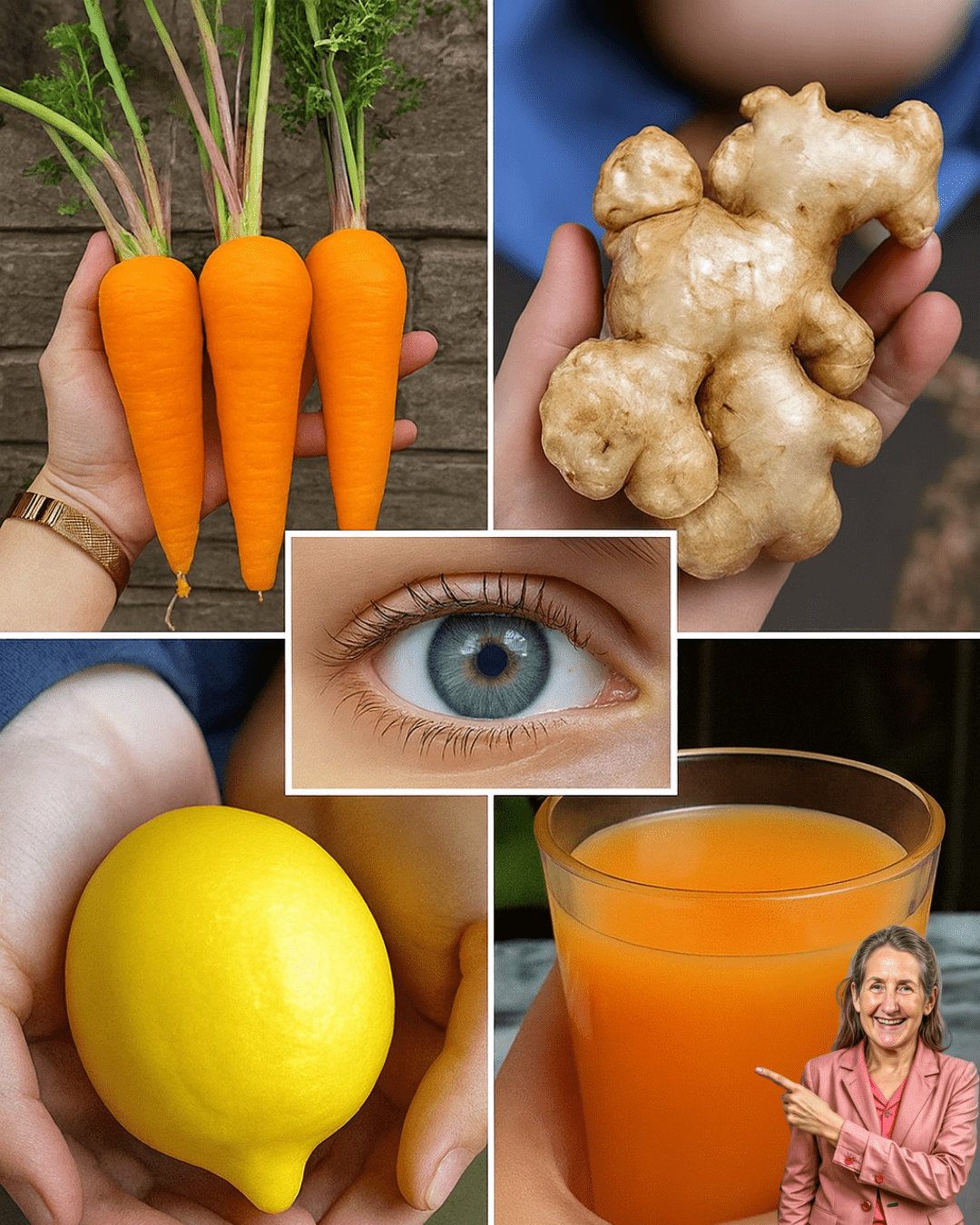
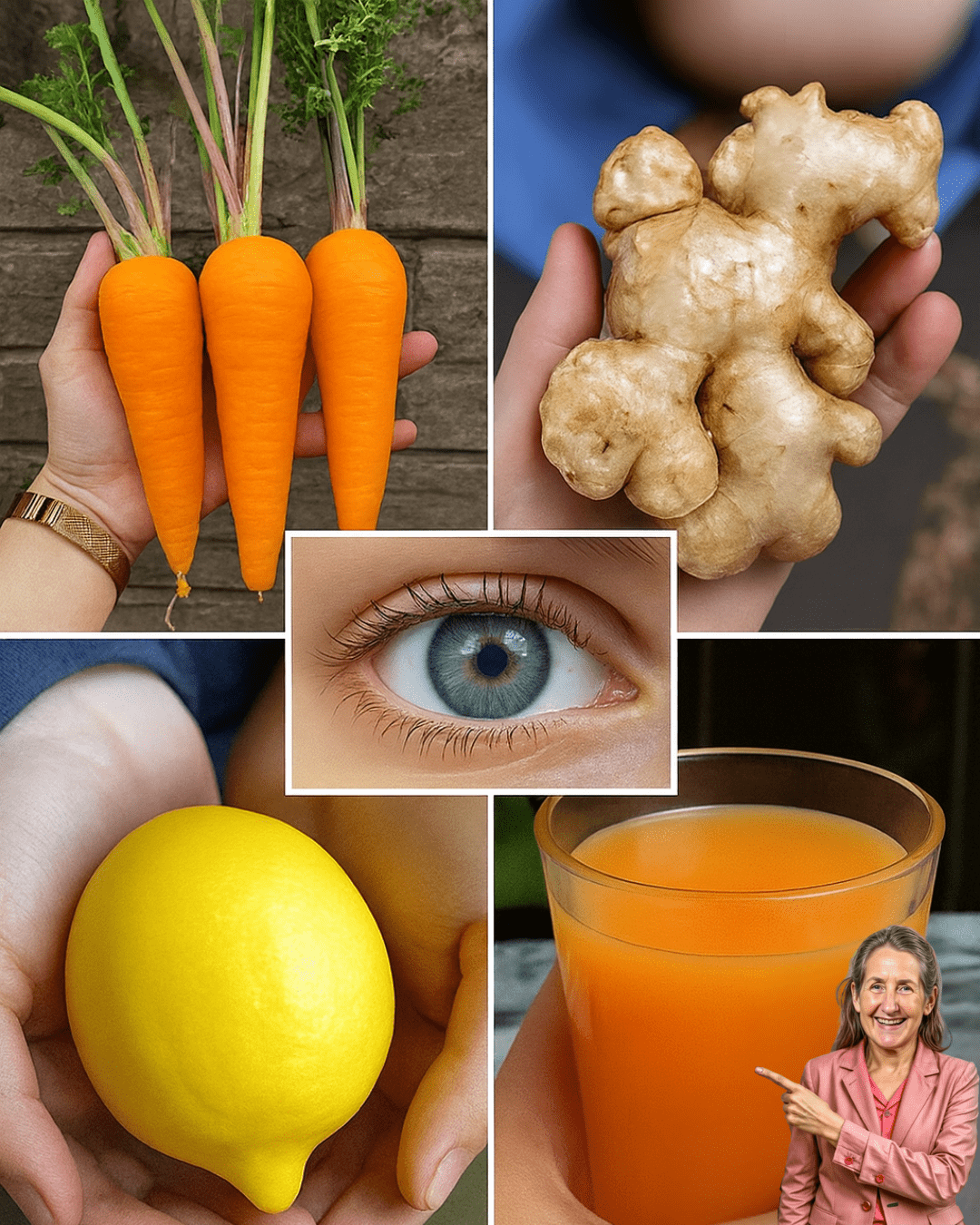
The Vision Trio: Carrots, Ginger, and Lemon
The image highlights three common ingredients—Carrots, Ginger, and Lemon—blended into a bright, easy-to-drink juice. This combination is popular because it delivers a concentrated dose of vitamins, antioxidants, and anti-inflammatory compounds crucial for supporting the overall health of the eyes and reducing systemic stress.
This tonic is designed to support the body’s natural defense mechanisms against the factors that contribute to vision decline.
It represents a proactive nutritional strategy, rather than a corrective treatment.
We need to look beyond the common knowledge that “carrots are good for eyes” and understand the specific compounds at work.
Let’s delve into the scientific roles each ingredient plays in promoting eye comfort and health.
The Science of Sight: Antioxidants and Circulation
The effectiveness of this juice blend lies in its powerful contribution to two vital areas of eye health: protection from oxidative damage and support for healthy circulation.
1. Carrots: The Beta-Carotene Breakthrough
Carrots are the non-negotiable cornerstone of this tonic, providing the essential nutrient we mentioned: Beta-Carotene.
- Vitamin A Precursor: Beta-Carotene is a type of carotenoid that the body converts into Vitamin A (Retinol).
- Retinal Function: Vitamin A is absolutely essential for the formation of rhodopsin, the pigment in the retina that allows us to see in low-light conditions. Deficiency in Vitamin A is a known cause of night blindness.
- Macular Protection: Carrots also contain other carotenoids, like lutein and zeaxanthin (though less than dark leafy greens), which are crucial antioxidants that form a protective filter in the macula of the eye, shielding it from damaging blue light.
This makes carrots a direct nutritional necessity for supporting retinal and macular function.
2. Ginger: Reducing Ocular Stress
Ginger, known for its active compounds gingerols and shogaols, plays a supportive but vital role by addressing systemic factors that can impact eye health.
- Anti-Inflammatory Support: These compounds exhibit strong anti-inflammatory and antioxidant properties. Inflammation anywhere in the body, including subtle inflammation affecting ocular tissues, can contribute to discomfort and stress.
- Supporting Circulation: Ginger also gently supports overall circulation, which is crucial for delivering oxygen and nutrients to the tiny blood vessels supplying the eye.
This is the key to maintaining a calm, well-nourished environment for the eyes.
3. Lemon: The Vitamin C Shield
Lemon juice is an excellent source of Vitamin C (Ascorbic Acid), one of the body’s most potent water-soluble antioxidants.
- Lens Protection: High levels of Vitamin C are found in the aqueous humor (the fluid in the eye). Vitamin C acts as a protective shield, helping reduce oxidative damage to the eye lens.
- Collagen Support: Vitamin C is essential for the production of collagen, which is necessary for maintaining the structural integrity of the cornea and the blood vessels within the eye.
The Synergistic Benefit: This blend provides the fundamental building blocks for retinal function (Carrots), structural support (Lemon), and crucial anti-inflammatory maintenance (Ginger).
Actionable Steps: Making the Vision-Support Juice
Making this juice correctly ensures you maximize the absorption of the fat-soluble vitamins found in carrots.
Step 1: The Recommended Ratio
Use the following easy-to-manage ratio for a balanced and potent tonic:
- 3 Medium Carrots, scrubbed and trimmed.
- 1/2 Lemon, juiced or peeled (remove bitter white pith if blending).
- 1/2 to 1 Inch piece of fresh Ginger root, peeled (adjust based on spice preference).
- Crucial Addition: Add 1/2 teaspoon of high-quality oil (like olive oil or coconut oil) to the finished juice.
Step 2: Juicing vs. Blending
- Juicing: Simply process all ingredients through a juicer for a quick, concentrated shot.
- Blending: Blend ingredients with a splash of water until completely smooth. Strain if desired, but blending and consuming the pulp provides beneficial dietary fiber.
Step 3: Maximizing Absorption (The Oil Secret)
- Fat-Soluble Vitamins: Beta-Carotene (Vitamin A) is a fat-soluble vitamin. This means it requires the presence of fat for the body to absorb and utilize it effectively.
- The Key Step: Always stir the 1/2 teaspoon of oil into the finished glass of juice just before consuming. This simple addition is scientifically critical to unlocking the full power of the carrots for your vision.
Step 4: Timing
- Frequency: Consume one glass of this tonic daily, ideally with a meal that contains healthy fats, to ensure consistent nutritional support for your eyes.
Conclusion and Frequently Asked Questions
The Carrot, Ginger, and Lemon juice blend is an outstanding nutritional choice, delivering a targeted flood of antioxidants and essential vitamins like Beta-Carotene directly to your system. By prioritizing ingredients that support retinal function, reduce oxidative stress, and aid in structural integrity, this tonic serves as a powerful, natural foundation for maintaining and supporting long-term eye health and comfort. Remember, the simple act of adding a bit of fat to your juice is the final step that ensures you are reaping the maximum benefits.
FAQ
Q1: Can this juice really restore my lost vision?
A: It is vital to clarify that this juice is a nutritional support tonic and cannot correct advanced vision loss or reverse serious conditions like cataracts, glaucoma, or age-related macular degeneration (AMD). If you are experiencing vision loss, you must consult a medical ophthalmologist for diagnosis and treatment. This juice simply provides the necessary nutrients to support healthy eye function.
Q2: Will consuming too many carrots make my skin turn orange?
A: Excessive consumption of foods high in Beta-Carotene (like this juice) can lead to a condition called carotenemia, where the skin (particularly the palms and soles) takes on a yellowish-orange tint. This is generally harmless and reverses once intake is moderated, but it is a sign that you have reached peak saturation.
Q3: Is it okay to use bottled lemon juice instead of fresh lemon?
A: While bottled lemon juice is convenient, fresh lemon juice is highly recommended. The Vitamin C content in bottled juice often degrades over time after opening, and fresh juice provides higher levels of active nutrients and avoids preservatives, offering the purest form of the vitamin for your eye health.