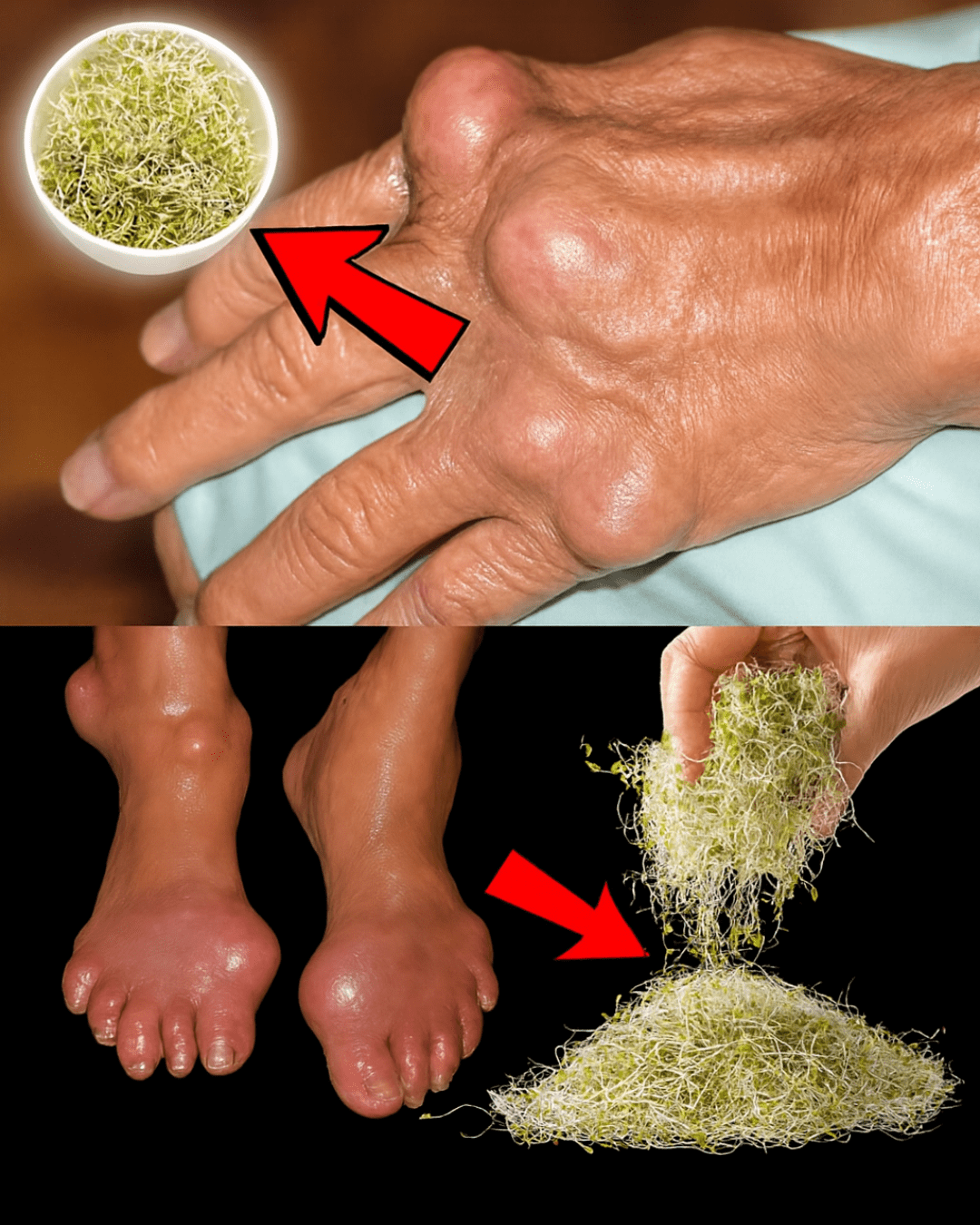
The relentless throbbing of gout or the sharp, crippling agony of passing a kidney stone can seize your life, turning simple daily tasks into monumental struggles. This pain isn’t just physical; it wears down your spirit, making you constantly worry about the next sudden flare-up that will bring everything to a halt, leaving you frustrated and desperately searching for a gentler, more natural way to reclaim your comfort and mobility. The traditional path often involves powerful medications, but what if a simple, unassuming green sprout, one you might already be familiar with, holds a potential secret to supporting your body’s natural defense against these common discomforts?
The Unseen Battle: Why Kidney Stones and Gout Take Hold
Understanding gout and kidney stones starts with knowing what’s happening inside your body. It’s a chemistry challenge, really.
For many, kidney stones form when certain minerals and salts, like calcium or uric acid, concentrate too much in your urine, crystallizing into hard deposits. The passage of these stones is what causes that unforgettable, excruciating pain.
Gout, on the other hand, is a specific form of inflammatory arthritis. It’s triggered by an excess of uric acid in the blood, which then forms sharp, needle-like crystals in the joints, most commonly the big toe. That intense, burning sensation is your body reacting to these tiny, painful invaders.
But here’s the interesting part: both conditions often share a common thread—how your body processes and eliminates waste products. This is where something as simple as a dietary adjustment can make a world of difference.
Discovering the Humble Power of Alfalfa Sprouts (A Natural Story)
You’ve probably seen alfalfa sprouts gracing the top of a sandwich or mixed into a salad. They look so delicate, yet they are packed with a surprising nutritional punch that has been valued for centuries in traditional practices.
For generations, cultures have looked to plants to support kidney function and help the body manage inflammation. Alfalfa is one of those plants that modern research is starting to pay more attention to.
So, how exactly does this tiny sprout fit into the picture of supporting your joints and kidneys? Let’s dive into the fascinating components within alfalfa.
The Nutritional Breakdown: What Makes Alfalfa Unique?
Alfalfa (technically Medicago sativa) is an incredibly nutrient-dense food.
It is particularly rich in:
- Vitamins: Contains significant amounts of Vitamin K, Vitamin C, and several B vitamins.
- Minerals: A good source of calcium, potassium, phosphorus, and iron.
- Chlorophyll: The green pigment known for its powerful detoxifying and cleansing properties.
But wait, there’s more…

The Potential Role in Kidney Support
One of the theories surrounding alfalfa and kidney comfort revolves around its diuretic and alkalizing properties.
- Natural Diuretic Effect: Alfalfa has been traditionally used as a gentle diuretic, which means it may help increase urine flow. Increased flow can be helpful for flushing the urinary tract and discouraging the buildup of those painful crystal formations.
- Alkalizing Potential: The sprout’s high mineral content is thought to have an alkalizing effect on the body. Maintaining a slightly less acidic urine environment can sometimes help reduce the crystallization of certain types of stones.
The truth is… supporting healthy hydration and encouraging natural flow are essential steps for anyone concerned about kidney health.
Tackling Uric Acid and Gout Discomfort
This is the part that many people struggling with gout find most compelling. Remember, gout is an issue of excess uric acid crystallizing in the joints.
Research suggests that alfalfa contains compounds that might help the body maintain healthy uric acid levels. Studies show that some plant compounds can interfere with the processes that lead to uric acid buildup.
- Potential Anti-Inflammatory Compounds: Like many green foods, alfalfa contains numerous phytonutrients. These natural compounds are widely studied for their potential to dampen the body’s inflammatory response, which could be helpful in easing the intense discomfort of a gout flare.
Here’s the interesting takeaway: By supporting your body’s natural processes for managing inflammation and waste elimination, alfalfa sprouts may offer a gentle, food-based approach to wellness.
How to Easily Incorporate Alfalfa Sprouts into Your Daily Diet
You don’t need a complicated regimen to potentially reap the benefits of alfalfa. It’s an incredibly versatile and mild-tasting ingredient.
| Method | Description | Quick Tip |
| Salad Booster | Sprinkle a generous handful over your lunch or dinner salads. | Use them instead of lettuce for a microgreen punch. |
| Sandwich/Wrap Filling | Layer them thickly onto sandwiches, wraps, or pita bread. | Pairs perfectly with turkey, hummus, or avocado. |
| Smoothie Blend | Add a small amount to your daily green smoothie. | Blend with pineapple and spinach to hide the texture completely. |
| Juicing | Include a small amount in your fresh vegetable juices. | Juice with cucumber and celery for maximum hydration support. |
But here’s a critical note for your safety… Alfalfa is a powerful food, but it is important to consume commercially grown sprouts, and if you are prone to certain autoimmune conditions, you should always consult your healthcare provider first.
A Few More Simple, Actionable Tips for Comfort
Beyond incorporating alfalfa, adopting a few simple lifestyle changes can amplify your journey toward comfort:
- Step 1: Hydration is King: Drink plenty of water throughout the day. Water is your body’s primary mechanism for flushing out crystals and waste products. Aim for clear or pale yellow urine.
- Step 2: Watch Your Purines (for Gout): If you struggle with gout, pay attention to high-purine foods like red meat, organ meats, and excessive alcohol, as purines convert to uric acid.
- Step 3: Embrace the Rainbow: Focus on a diet rich in colorful fruits and vegetables. Their high antioxidant content helps support your body’s overall health and ability to manage inflammation.
- Step 4: Move Gently: Regular, low-impact exercise helps maintain joint flexibility and encourages healthy circulation, which is crucial for reducing inflammation.

Conclusion: A Small Change, A Big Hope
The search for relief from chronic discomfort is deeply personal, and sometimes, the answer isn’t a complex drug but a simple, natural food. Alfalfa sprouts, with their rich history and impressive nutrient profile, may offer the supportive hand you’ve been looking for. By making small, consistent dietary choices, you are empowering your body to fight back and promoting a path toward greater well-being. Don’t underestimate the quiet power of nature.
Frequently Asked Questions (FAQ)
Q1: Is it safe to eat alfalfa sprouts every day?
Alfalfa sprouts are generally considered safe for daily consumption for most healthy adults as part of a balanced diet. However, always ensure they are properly cleaned and commercially sourced. People with certain autoimmune disorders should consult a doctor due to potential interactions.
Q2: How long does it take to see a difference from natural remedies like this?
Dietary and herbal supplements work gently with your body, so changes are usually subtle and take time. Consistency is key. You might begin to notice general improvements in well-being or less frequent discomfort over several weeks to a few months, rather than an immediate fix.
Q3: Can I replace my prescribed medication with alfalfa sprouts?
Absolutely not. Alfalfa sprouts are a food that can be used to support your health journey, but they are not a replacement for any medication prescribed by your doctor for gout, kidney stones, or any other medical condition. Always follow your physician’s advice and view dietary changes as complementary support.