You know that deep, nagging feeling that something isn’t quite right with your body, especially concerning your reproductive health. You try to push it aside, hoping that unusual bleeding or persistent discomfort is “just stress” or a “normal part of being a woman,” but secretly, that dismissal only heightens your worry and frustration. Ignoring these subtle shifts is a common, yet potentially costly, mistake many women make, leaving a vital part of your well-being vulnerable while you delay seeking the clarity and peace of mind you deserve. But what if I told you there are specific, distinct signals your body gives you—like a quiet, urgent plea—and understanding them could be the key to safeguarding your long-term health, a critical insight we will reveal in the final section of this article.
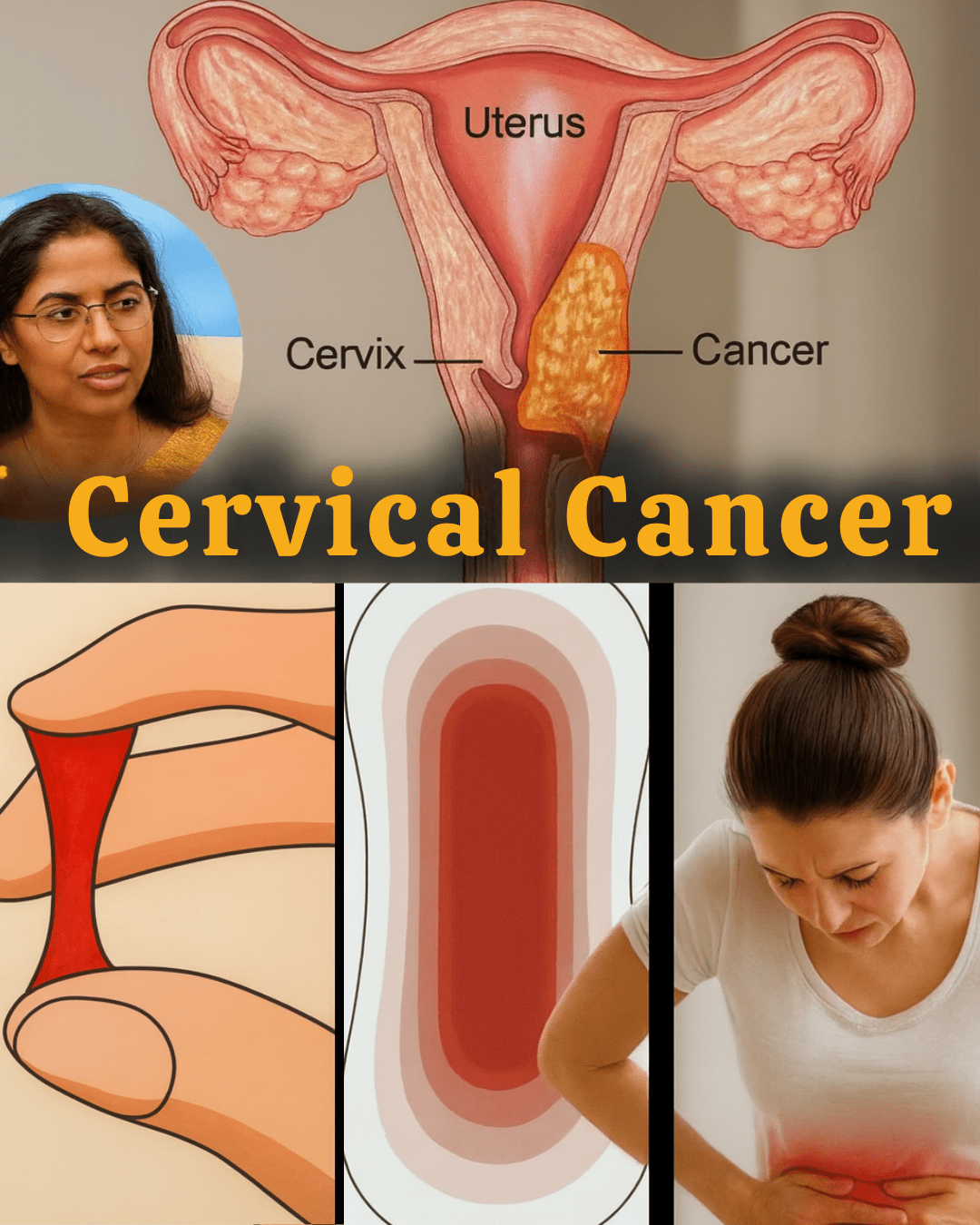
The Subtle Language of Pelvic Discomfort: Why You Need to Listen Now
The uterus, or womb, is one of the most resilient organs in the female body, yet it often operates as a silent sentinel of overall health. When this vital organ faces trouble, its warnings can be easy to misinterpret or dismiss, especially in a world that often normalizes female pain. This tendency to minimize symptoms is precisely why many serious conditions go undetected until they become difficult to manage.
But here’s the most important point: the difference between a mild inconvenience and a major health crisis often lies in how quickly you decode these initial subtle signals.
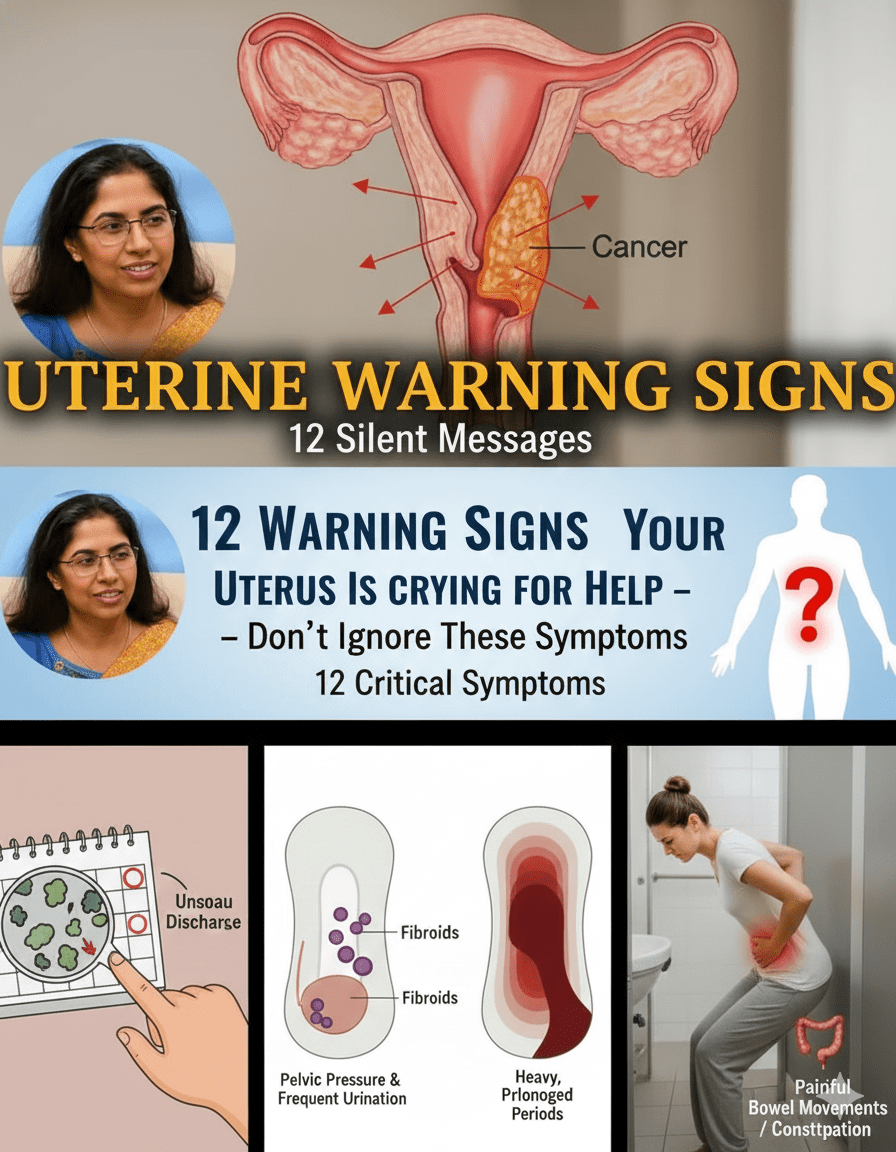
Spotlight on Bleeding: 4 Shades of Concern You Cannot Ignore
Unusual bleeding is the single most common and often overlooked sign that the uterus requires attention. It’s easy to assume it’s just a “heavy period,” but the timing and nature of the blood loss are crucial clues.
1. Bleeding Between Cycles (Intermenstrual Bleeding)
This is arguably the most common red flag and one that should prompt a conversation with a health professional immediately.
- This isn’t just “spotting”; it’s any bleeding that occurs outside the expected window of your monthly period.
- It might be light pink, dark brown, or resemble a mini-period.
- The truth is: While many causes are benign, like hormonal fluctuations or new birth control, it can also signal issues like polyps, fibroids, or more serious concerns.
2. Post-Coital Bleeding (Bleeding After Intimacy)
Experiencing any blood loss after sexual intercourse is a symptom that should never be ignored, regardless of how minor it seems.
- This is often caused by irritation of the cervix or minor surface tears.
- However, persistent post-coital bleeding is one of the classic early signs of cervical changes.
3. Unusually Heavy or Prolonged Periods (Menorrhagia)
If you find yourself soaking through pads or tampons hourly for several consecutive hours, or your period lasts longer than seven days, it’s considered heavy.
- The medical community generally defines menorrhagia as excessively heavy menstrual flow.
- Heavy periods can lead to anemia, causing fatigue, dizziness, and shortness of breath.
- Furthermore, they can be a major symptom of underlying conditions such as uterine fibroids or hormone imbalances.
4. Postmenopausal Bleeding
Once you have gone 12 consecutive months without a period, any subsequent vaginal bleeding is classified as postmenopausal.
- This is crucial: Any bleeding after menopause must be thoroughly investigated by a healthcare professional.
- Studies show that while most cases are due to non-cancerous causes, a small but significant percentage are linked to serious uterine lining issues.
Pain and Pressure: More Than Just “Bad Cramps”
Many women are accustomed to period pain, but persistent, non-menstrual pelvic pain is a fundamentally different warning sign. It suggests an ongoing structural or inflammatory process.
5. Chronic Pelvic Pain
If the pain in your lower abdomen or pelvis lasts for six months or more, it’s defined as chronic pelvic pain.
- It can feel like a dull ache, a sharp shooting pain, or a heavy pressure.
- But wait, there’s more: Chronic pelvic pain is a classic symptom of endometriosis, which involves tissue similar to the uterine lining growing outside the uterus.
6. Pelvic Heaviness or Pressure
This feeling is less about sharp pain and more about a constant sensation of fullness or a heavy, dragging weight in the lower abdomen.
- This symptom is highly correlated with the presence of uterine fibroids—non-cancerous growths that can become quite large.
- As fibroids grow, they put pressure on surrounding organs, causing discomfort.
7. Pain During Intercourse (Dyspareunia)
Deep pain experienced during or immediately after sexual penetration is medically termed dyspareunia.
- This type of pain can be a sign of issues like pelvic inflammatory disease or endometriosis.
- It’s a distressing symptom that absolutely warrants open discussion with a health provider.
Discharge and Bathroom Clues: 5 Signs of Structural Changes
The body often communicates internal shifts through changes in discharge or how it impacts nearby organs, like the bladder and bowel. These are often subtle but important indicators of uterine health.
8. Unusual Vaginal Discharge
While normal discharge varies throughout the cycle, any change in odor, color, or consistency can be a sign of infection or internal irritation.
- Pay attention to discharge that is thin, watery, bloody, or has a foul odor.
- Surgically speaking: In some instances, persistent abnormal discharge is a clue to cervical or uterine changes that require further testing.
9. Frequent Urination or Difficulty Emptying Bladder
Since the uterus sits close to the bladder, any enlargement or structural shift can compress the urinary tract.
- Large fibroids or uterine enlargement can press on the bladder, leading to a constant urge to urinate or the sensation that you never fully empty your bladder.
10. Constipation or Painful Bowel Movements
Similarly, the uterus lies near the rectum and the lower part of the colon.
- Pressure from an enlarged uterus can impede normal bowel function, leading to chronic constipation.
- Endometriosis often involves growths on or near the bowel, causing deeply painful bowel movements, especially during menstruation.
11. Lower Back or Leg Pain
A significant number of women experience generalized back pain, but when uterine issues are the cause, the pain has a distinct characteristic.
- The pain is typically located in the lower back or radiates down one or both legs.
- Here is the twist: This is often a sign of a very large fibroid or other growth pressing on the nerves and blood vessels that run down the back of the pelvis.
12. Unexplained Weight Gain or Abdominal Swelling
This is the “silent growth” symptom—a noticeable increase in abdominal girth that is not explained by diet or exercise changes.
- Fibroids, especially multiple large ones, can cause the uterus to swell dramatically, leading to a visible ‘pooch’ or firmness in the lower abdomen.
- It’s vital to remember that an expanding waistline could be a sign of an internal mass that needs evaluation.
Actionable Tips: Your 3 Step Plan for Uterine Health
It’s one thing to recognize the signs; it’s another to know exactly what to do next. Taking a proactive approach empowers you and gives you the best chance for a positive outcome.
Step 1: Document and Track
Start a meticulous log of your symptoms immediately. This is the single most valuable piece of information you can provide a healthcare professional.
- What to note: Exact date, type of pain (dull, sharp, cramping), severity (on a 1−10 scale), amount/color of bleeding, and any correlating activities (e.g., pain after exercise).
- Why this works: This data helps transform vague complaints into a clear diagnostic roadmap.
Step 2: Schedule a Comprehensive Pelvic Exam
If you haven’t had an annual check-up, schedule one. Be assertive about discussing your symptoms.
- Specifically request: Mentioning the symptoms discussed above often leads to specific testing, such as a pelvic ultrasound, which provides an image of your uterus and ovaries.
- Expert Insight: Research consistently shows that early screening improves long-term outcomes for most reproductive health issues.
Step 3: Lifestyle Nurturing for Your Womb
While not a cure, lifestyle changes can support hormonal balance and reduce inflammation.
- Focus on Diet: Increase your intake of anti-inflammatory foods (berries, fatty fish, leafy greens).
- Manage Stress: Chronic stress significantly impacts hormone regulation; incorporate practices like yoga, meditation, or consistent light exercise.
Summary: A New Understanding of Your Body’s Pleas
We have explored the 12 distinct warnings your uterus might be signaling, moving beyond simply dismissing them as “normal” period trouble. From changes in the timing and volume of your bleeding to persistent pain and pressure, recognizing these signs is the first, most crucial step in protecting your health. Remember, your body is talking to you; your job is to listen and respond proactively.
Frequently Asked Questions (FAQ)
Q: Can stress really cause my period to be unusually heavy or late? A: Yes, absolutely. High levels of chronic stress can disrupt the delicate balance of hormones (cortisol, estrogen, progesterone), leading to changes in the menstrual cycle, including missed, late, or unusually heavy periods. However, a healthcare provider should always rule out other medical causes first.
Q: How can I tell if my pelvic pain is “normal” period cramps or something more serious like endometriosis? A: Normal period cramps typically start right before or during your period, respond well to over-the-counter pain relievers, and subside after a few days. Pain from conditions like endometriosis is often more severe, lasts throughout the month (not just during your period), is described as deep or throbbing, and may interfere with daily activities.
Q: If I have fibroids, do I always need surgery to remove them? A: No. The majority of uterine fibroids are small and asymptomatic, requiring only monitoring. Treatment (which includes medication or non-surgical procedures) is typically only necessary if the fibroids are causing bothersome symptoms, such as heavy bleeding, severe pain, or putting pressure on the bladder or bowel.