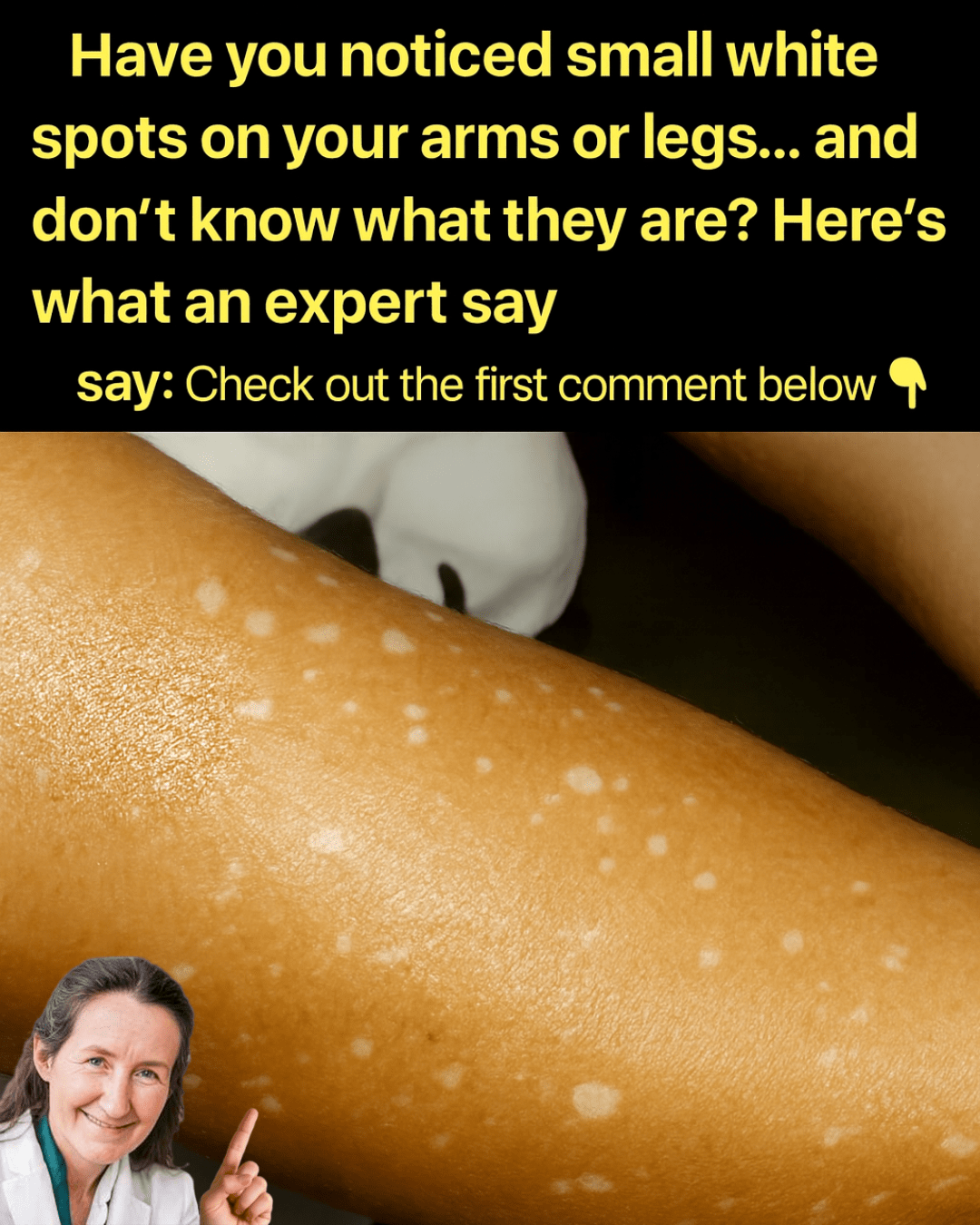
It’s often confusing and a little worrying when you notice small, distinct white spots suddenly appearing on your arms, legs, or chest, particularly if you don’t recall any injury or recent sun exposure, leaving you uncertain about what they are and how to address them. This change in your skin’s appearance can make you feel self-conscious and lead to endless hours of searching for answers, fearing the worst about a subtle shift in your body’s largest organ. What if those spots are actually incredibly common, often harmless conditions caused by factors as simple as sunlight or a mild imbalance, and knowing the difference can give you immediate peace of mind? Stick around, because we’ll uncover the seven most common reasons these small white spots appear and explain when a simple change in routine is enough, and when you absolutely must consult a specialist.
The Puzzle of Pigmentation: Understanding the Causes
Skin color, or pigmentation, is determined by cells called melanocytes, which produce the brown pigment melanin. When these cells slow down, stop working, or are affected by external factors, the skin loses its color, resulting in white spots. While some causes are minor and cosmetic, others point to underlying issues.
Understanding the root cause is the first step toward finding the right cosmetic or medical support.
H2: Cause 1: Sun Damage and Aging (The Most Common Culprit)
The most frequent reason people notice small, distinct white spots, particularly on the legs and arms, is a condition called Idiopathic Guttate Hypomelanosis (IGH).
H3: Idiopathic Guttate Hypomelanosis (IGH)
This condition is primarily associated with cumulative sun exposure and the natural aging process of the skin.
- Appearance: The spots are typically small (1-3mm), flat, and appear most often on the shins and forearms.
- Mechanism: Over years of sun exposure, the melanocytes in these tiny areas stop producing melanin, creating a permanent, small white patch.
But here’s the most interesting part: IGH is medically harmless; it is purely a cosmetic concern and is extremely common in adults over the age of 40 who have spent significant time in the sun.
H2: Cause 2: Fungal Imbalance (The Temporary Change)
Another highly common and easily treatable reason for white spots is a superficial fungal infection called Tinea Versicolor.
- Appearance: These spots are usually slightly scaly, may be red or pink initially, and are often noticeable because they do not tan in the sun.
- Mechanism: A naturally occurring yeast (fungus) on the skin overgrows, producing an acid that temporarily blocks melanin production.
The truth is… Tinea Versicolor is not contagious, and it usually responds well to over-the-counter anti-fungal treatments.
H2: Cause 3: Post-Inflammatory Issues
Sometimes, the white spot isn’t a new disease but a “ghost” of a previous skin issue, known as post-inflammatory hypopigmentation.
- Prior Events: This occurs after the skin has experienced trauma, such as a severe rash, eczema, psoriasis, or a deep scrape or burn.
- Healing Process: As the skin heals, the melanocytes in that area are temporarily “stunned” and fail to produce pigment for a period.
And yet, there’s a key difference: Unlike IGH, this type of spot often gradually resolves and pigmentation returns over months.
H2: Cause 4: Autoimmune Factors (When to Seek Expert Help)
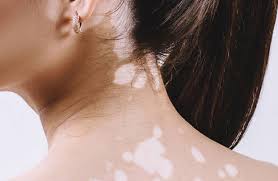
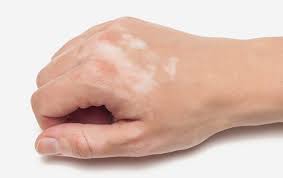
One of the most concerning, yet less common, causes is an autoimmune condition called Vitiligo.
- Appearance: Vitiligo spots are usually larger and irregular in shape and often start in areas around the mouth, eyes, hands, or genitals. The edges are clearly defined.
- Mechanism: The body’s immune system mistakenly attacks and destroys the melanocytes entirely.
This is the most important part: If the white patches are spreading, growing larger, or affecting areas around body openings, consulting a dermatologist immediately is crucial for diagnosis and management.
H2: Causes 5, 6, and 7: Less Common Contributors
Here are three other less frequent reasons for depigmentation that a dermatologist may consider:
- Pityriasis Alba: Commonly seen in children and teens, this is a mild form of eczema that leaves behind patches of lighter, slightly scaly skin after it resolves.
- Chemical Leukoderma: Exposure to certain industrial or household chemicals can permanently destroy melanocytes, often appearing on areas that made contact with the substance.
- Infections (Rare): Certain long-term or severe infections can sometimes present with changes in skin pigmentation.
Actionable Tips: Your First Steps for Managing White Spots
- Stop Tanning: Sun exposure makes all white spots more noticeable by darkening the surrounding skin. Strict sun protection is the single most important action you can take.
- Apply Daily Sunscreen: Use a broad-spectrum sunscreen with SPF 30 or higher every day, regardless of the weather.
- Moisturize: For IGH or post-inflammatory spots, keeping the skin well-hydrated can improve overall appearance and texture.
H2: When to Consult a Dermatologist (The Critical Threshold)
While most white spots are harmless IGH, it is essential to see a specialist if you notice any of the following:
- The spots are growing rapidly or merging into large patches.
- The spots are associated with a loss of sensation, itching, or pain.
- The spots are appearing on mucous membranes (inside the mouth or nose) or around the eyes.
Conclusion: Know the Difference, Reduce the Worry
It is easy to panic when you notice an unexpected change in your skin, but the appearance of small white spots is an incredibly common phenomenon. For most people, these spots are a benign result of past sun damage (IGH) or a simple, treatable fungal imbalance. By embracing rigorous sun protection and knowing the signs that warrant a specialist’s visit, you can address this skin puzzle confidently and maintain the health and evenness of your skin for years to come.
Frequently Asked Questions (FAQ)
Q1: Can supplements help white spots like IGH or Vitiligo? A: There is no known dietary supplement that can reverse IGH. For Vitiligo, research suggests that certain supplements, especially Vitamin D, B12, and folic acid, may be used as supportive therapy alongside prescribed treatments, but they cannot cure the condition alone. Always consult your doctor before starting supplements.
Q2: Is the white spot IGH permanent? A: Yes, the tiny, flat spots of Idiopathic Guttate Hypomelanosis (IGH) are considered permanent because the melanocytes have stopped functioning in that specific area. However, some cosmetic options are available to blend the color.
Q3: Can stress cause white spots? A: While stress itself doesn’t directly cause IGH or Vitiligo, it can trigger or exacerbate underlying inflammatory conditions like eczema or Tinea Versicolor, which in turn can lead to secondary white spots (post-inflammatory hypopigmentation). Managing stress is always beneficial for overall skin health.
Disclaimer: This article is for informational purposes only and is not a substitute for professional medical advice, diagnosis, or treatment. If you notice any changes in your skin, especially rapidly spreading or large patches of white spots, please consult a board-certified dermatologist immediately for accurate diagnosis and care.