Every year, thousands of women feel something “a little off” in their breast, shrug it off as hormones or a bad bra, and keep scrolling. The problem isn’t that they don’t care — it’s that the earliest warning signs rarely feel urgent. By the time worry finally wins, the cancer has often spread, and the five-year survival rate drops from nearly 99% to under 30%. The good news? You can change that story today — and I’m going to show you exactly which quiet changes deserve your immediate attention (including the ones most doctors only mention in passing).
Here are the 10 signs research and oncologists say are most commonly missed — plus the simple steps that help women catch trouble early, when it’s still highly treatable.
Why Early Detection Matters More Than Ever
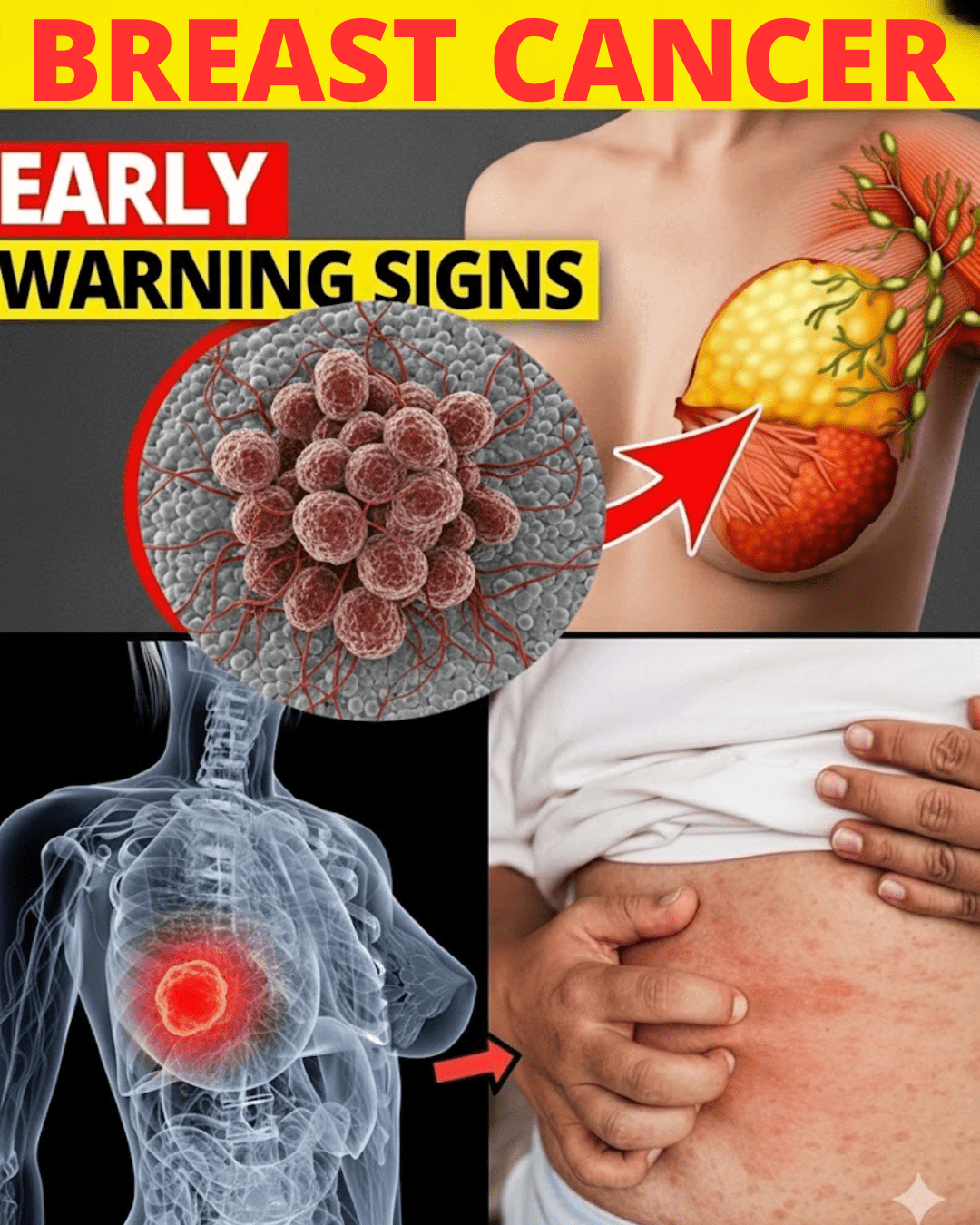
According to the American Cancer Society, more than 310,000 women in the U.S. were diagnosed with invasive breast cancer in 2024 alone. The difference between Stage 1 (99% five-year survival) and Stage 4 (31% survival) is often just a few months of awareness.
The most dangerous part? Many early signs don’t involve a classic “lump” at all.
10 Warning Signs You Should Never Ignore
1. One breast suddenly feels heavier or looks noticeably larger
Asymmetry that appears over weeks or months — not years — is one of the earliest clues in almost 20% of cases, according to a 2024 study in Breast Cancer Research. Bras stop fitting evenly, shirts pull to one side, or you feel an unexplained “weight” when lying down.
2. Skin texture that resembles orange peel (peau d’orange)
Tiny pits or dimples happen when cancer blocks lymphatic vessels. It can appear on just part of the breast and is frequently mistaken for cellulite or weight gain.
3. Persistent itching, redness, or rash on one breast or nipple
When the same spot stays irritated for more than 2–3 weeks despite moisturizers or steroid creams, it’s worth checking. Inflammatory breast cancer often starts this way.
4. A hard, immovable spot (even if it’s tiny)
Classic teaching says lumps are movable and painless — but many malignant ones feel fixed to the chest wall or skin, like a frozen pea glued in place.
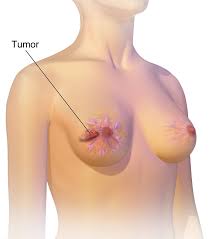
5. New breast or nipple pain that doesn’t follow your cycle
Occasional tenderness is normal. Constant ache or stabbing pain in one specific area — especially after menopause — is not.
6. Swelling or fullness in the breast, even without a lump
Some aggressive cancers (especially inflammatory breast cancer) cause the whole breast to feel tight, warm, or swollen, often in days or weeks.
7. A nipple that suddenly turns inward (if it wasn’t always inverted)
Retracted or flattened nipples that appear for the first time in adulthood can signal a tumor pulling from behind.
8. Scaly, red, or thickened skin on the nipple or areola
Looks exactly like eczema or a fungal infection — except it stays on one side and doesn’t clear with usual treatments.
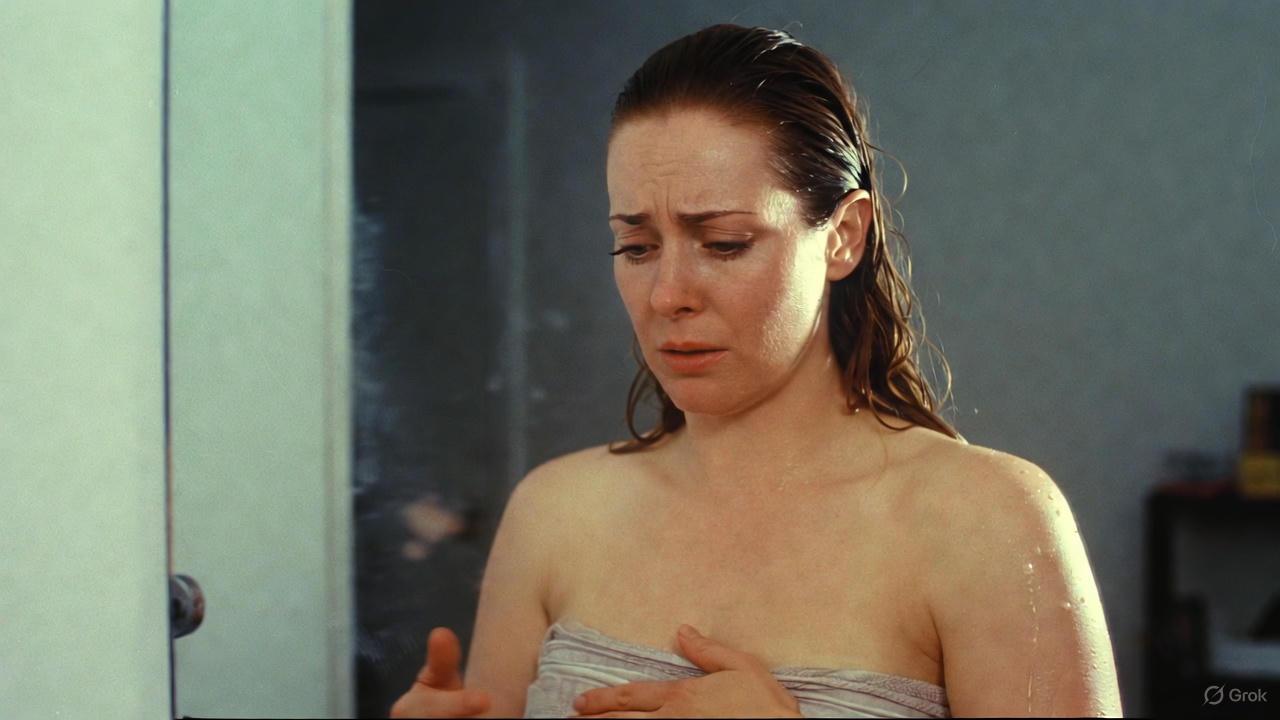
9. Unusual nipple discharge — especially if it’s bloody, clear, or comes from only one duct, or happens without squeezing
Spontaneous discharge is one of the top reasons women finally book an appointment — and it often leads to very early diagnosis.
10. Swollen or firm lymph nodes under the arm or above the collarbone
This is the #1 sign cancer is trying to spread. Most women never check here, yet a painless, hard node that appears suddenly is a major red flag.
The Deadliest Disguise: Inflammatory Breast Cancer (IBC)
No lump. Rapid onset of redness, swelling, warmth, and heaviness — often in women under 50. It’s frequently misdiagnosed as mastitis or an allergic reaction. Survival drops quickly if not caught within weeks.
Simple Monthly Habit That Takes Less Than 2 Minutes
Do this in the shower or in front of a mirror:
- Arms at sides → look for asymmetry, dimpling, redness
- Arms raised overhead → look again (changes become more obvious)
- Hands pressed on hips → tightens chest muscles to reveal hidden dimples
- Lie down and feel each breast + armpit in small circles
- Gently squeeze each nipple to check for discharge
Tip: Take monthly photos in the same lighting. Changes jump out when you compare side-by-side.
What to Do the Moment You Notice Anything Unusual
- Call your doctor the same day — don’t wait for your annual exam
- Specifically ask for a clinical breast exam + diagnostic mammogram and/or ultrasound (screening mammograms can miss dense tissue and IBC)
- Bring dated photos of the changes — visual proof speeds things up
- Check your armpits and collarbone area every month — most women skip this
- If you have a strong family history, ask about genetic counseling
Remember: 1 in 6 breast cancers are found between regular mammograms. Your awareness is the safety net.
Frequently Asked Questions
At what age should I start paying close attention to breast changes? Most experts recommend monthly self-awareness starting at age 20, with clinical exams every 1–3 years from age 25–39, and annual mammograms starting at 40 (or earlier with risk factors).
Can men get breast cancer too? Yes — about 2,800 men are diagnosed each year in the U.S. The same warning signs apply.
I have dense breasts — does that change anything? Dense tissue makes mammograms harder to read and slightly raises risk. Ultrasound or MRI is often added and self-awareness becomes even more important.
You now know more than most women ever learn — and that knowledge is power.
Tonight, take two minutes for yourself. Tomorrow, make the call if something feels off. The women who caught it early all say the same thing: “I wish I had acted the very first day I noticed.”
Your future self will thank you.
Disclaimer: This article is for informational purposes only and is not a substitute for professional medical advice, diagnosis, or treatment. Always consult your physician or qualified health provider if you notice any breast changes or have concerns about your health. Early detection combined with professional care offers the best outcomes.