Have you ever walked past a low-growing, fern-like plant in your yard and wondered if it could actually be useful? Millions of people do exactly that every day with Euphorbia hirta — a humble weed that’s been part of traditional wellness practices in many cultures for generations. What’s surprising is how much modern research has explored its natural compounds and possible supportive roles for eyes, breathing, digestion, and more.
In this guide, we’ll walk through what science and traditional use say about this overlooked plant — without hype or promises. And by the end, you’ll discover one simple preparation tip that most articles never mention (keep reading — it’s near the bottom).
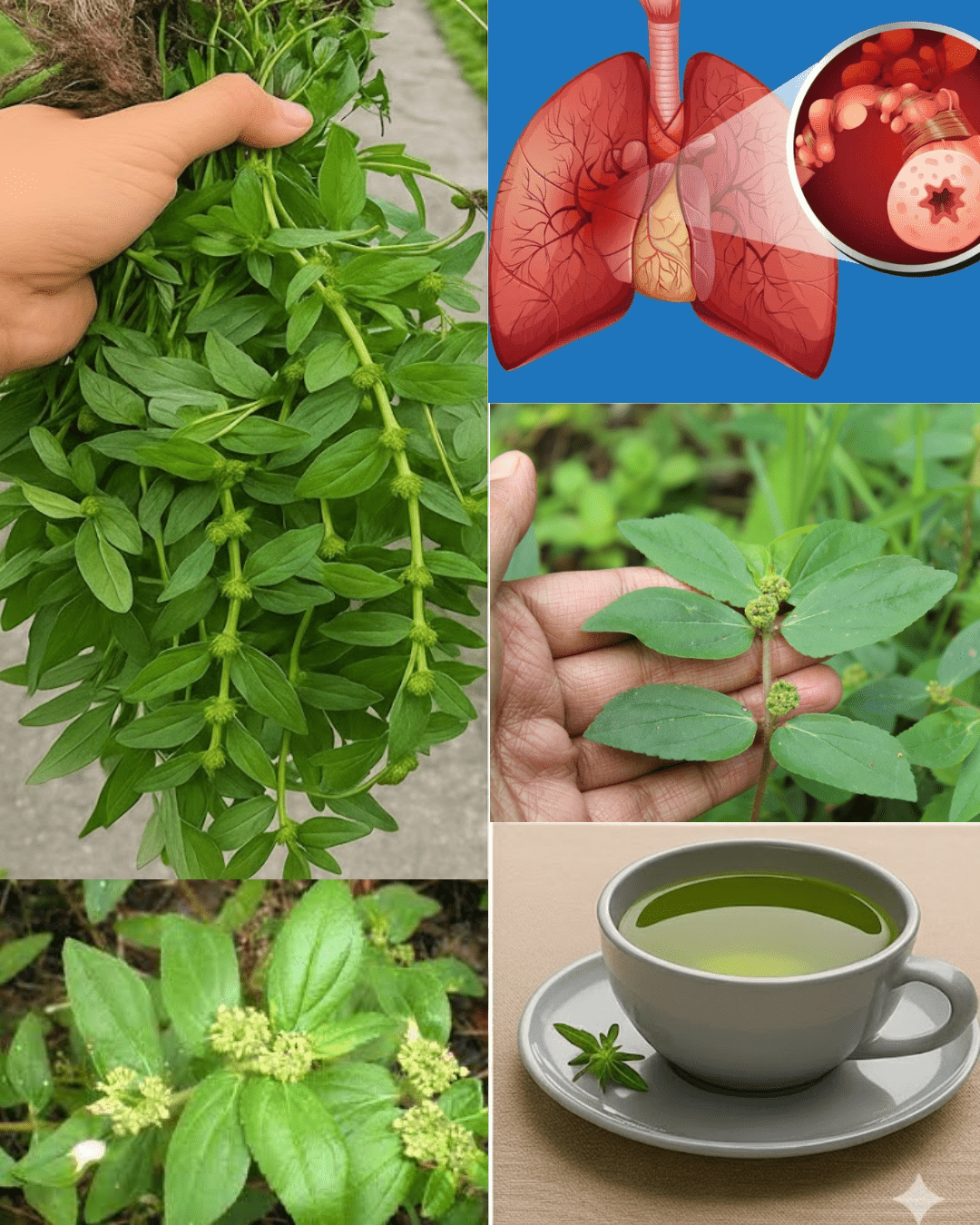
What Exactly Is Euphorbia Hirta?
Euphorbia hirta, sometimes called asthma weed, garden spurge, or pill-bearing spurge, is a small annual plant that spreads close to the ground. You’ll recognize it by its reddish stems, opposite oblong leaves, and tiny clustered flowers. It thrives in warm climates and often pops up in lawns, sidewalks, and garden beds.
The whole plant contains a milky latex sap and is rich in flavonoids, tannins, alkaloids, and phenolic compounds — the same classes of plant chemicals studied in many herbs worldwide.
Why People Have Turned to Euphorbia Hirta for Centuries
Traditional systems in Asia, Africa, and Latin America have long used different parts of the plant — leaves, stems, roots, and even the milky sap — in teas, poultices, or washes. Common traditional uses include:
- Soothing irritated eyes with cooled leaf infusion washes
- Supporting easier breathing during seasonal discomfort
- Calming occasional digestive upset
- Helping minor skin irritations and scrapes
Modern laboratory and animal studies have started exploring these traditional applications to understand the plant’s bioactive compounds better.
What Research Has Explored So Far
Here’s a quick look at some published findings (all from peer-reviewed journals):
| Area of Interest | Key Compounds Studied | Notable Findings (in lab/animal models) |
|---|---|---|
| Eye comfort | Flavonoids, alkaloids | Showed anti-inflammatory activity (Evidence-Based Comp. Alt. Med., 2019) |
| Respiratory support | Quercetin derivatives | Bronchodilator-like effects observed (Phytomedicine, 2012) |
| Digestive comfort | Tannins, quercitrin | Antidiarrheal effects noted (Pharmacognosy Reviews, 2010) |
| Skin healing | Phenolics | Antimicrobial activity against common bacteria (2019 study) |
| Blood-sugar balance | Polyphenols | Glucose-lowering effect in diabetic rats (Pharmaceutical Biology, 2008) |
| Liver protection | Antioxidants | Hepatoprotective activity against toxins (2015 study) |
These are preliminary findings — mostly lab or animal research — but they help explain why the plant remains popular in herbal traditions.
7 Practical Ways People Use Euphorbia Hirta Today
- Cool leaf wash for tired eyes – Steep fresh leaves in boiled (then cooled) water; use as a gentle external wash.
- Simple leaf tea – 3–5 fresh or dried leaves steeped 10 minutes; sipped warm.
- Steam inhalation – Add a handful of fresh plant to a bowl of hot water, cover head with towel, breathe gently.
- Topical poultice – Crush fresh leaves and apply to minor scrapes or insect bites.
- Seed decoction – Occasionally used in traditional settings for digestive comfort.
- Combined with honey or ginger – Many people add these for taste and extra soothing properties.
- Dried herb powder – Sometimes encapsulated or mixed into smoothies by experienced users.
Step-by-Step: How to Make a Basic Euphorbia Hirta Tea at Home
- Identify the plant correctly (use a regional plant ID app or guide — misidentification is the biggest risk).
- Harvest 3–5 clean, healthy leaves from an area free of pesticides or pollution.
- Rinse gently under running water.
- Place leaves in a cup and pour 200 ml of just-boiled water over them.
- Cover and steep 8–10 minutes.
- Strain, cool slightly, and sip slowly (optional: add a teaspoon of honey after it cools below 40 °C to preserve honey’s properties).
Start with one cup per day and observe how you feel. Most traditional users keep it to 1–2 cups daily.
Safety and Common-Sense Precautions
- The milky sap can irritate skin or eyes in some people — always wear gloves when handling large amounts.
- Never use on broken skin or near the eyes without extreme dilution and caution.
- Pregnant or breastfeeding women, children, and people on medication should avoid internal use.
- It belongs to the Euphorbiaceae family — some members are toxic, so positive identification is non-negotiable.
- Always patch-test first if using topically.
The One Tip You Rarely See Mentioned
Experienced herbalists in the Philippines and India often combine fresh Euphorbia hirta leaves with a small slice of fresh ginger and a squeeze of lemon in their morning tea. They say the combination feels noticeably more soothing for seasonal respiratory discomfort — and early lab research on the individual compounds supports possible synergy.
Final Thoughts
Euphorbia hirta won’t replace modern medicine, but its long history and growing body of preliminary research make it one of the most interesting “weeds” you can find in your own backyard. If you’re curious about traditional plants that people still rely on today, this humble herb is worth knowing about.
Have you ever spotted Euphorbia hirta growing near you? Drop a comment below — we’d love to hear your experience.

Frequently Asked Questions
1. Is Euphorbia hirta safe to use every day?
Most traditional users take it occasionally (1–2 cups of tea) rather than daily for long periods. Listen to your body and consult a qualified practitioner.
2. How do I correctly identify Euphorbia hirta?
Look for reddish stems, opposite leaves with slightly toothed edges, tiny pinkish flowers in clusters, and milky sap when broken. Use a trusted local flora guide or app.
3. Can I grow Euphorbia hirta on purpose?
Yes — it grows easily from seed in warm climates and prefers full sun with moderate water.
Disclaimer: This article is for informational and educational purposes only and is not intended to diagnose, treat, cure, or prevent any disease. Always consult a qualified healthcare professional before trying new herbs, especially if you have health conditions or take medications.