Breast cancer remains one of the most common cancers affecting women worldwide, with more than 2.3 million new cases reported each year according to the World Health Organization. The scary part? Many women notice changes in their breasts but brush them off as “normal” or wait months before mentioning anything to a doctor. By the time they seek help, the cancer may have already spread, making successful outcomes much harder.
The good news is that when breast cancer is found early—before it spreads beyond the breast—the 5-year survival rate is close to 99%, according to the American Cancer Society. That single statistic is why knowing the early warning signs can literally be a lifesaver. And in just a few minutes, you’ll walk away knowing exactly what to look for… plus one surprising sign most women completely miss (keep reading until #10).
Why Early Detection Matters More Than You Think
Every month that passes without noticing or reporting a change can give cancer cells more time to grow and spread. Studies show that tumors detected at stage 1 are often smaller than 2 cm—about the size of a peanut—and far easier to manage than those found at stage 3 or 4.
But here’s what keeps most women silent: fear, embarrassment, or simply not knowing what’s normal versus what’s not. You’re not alone in feeling that way. Let’s change that today.
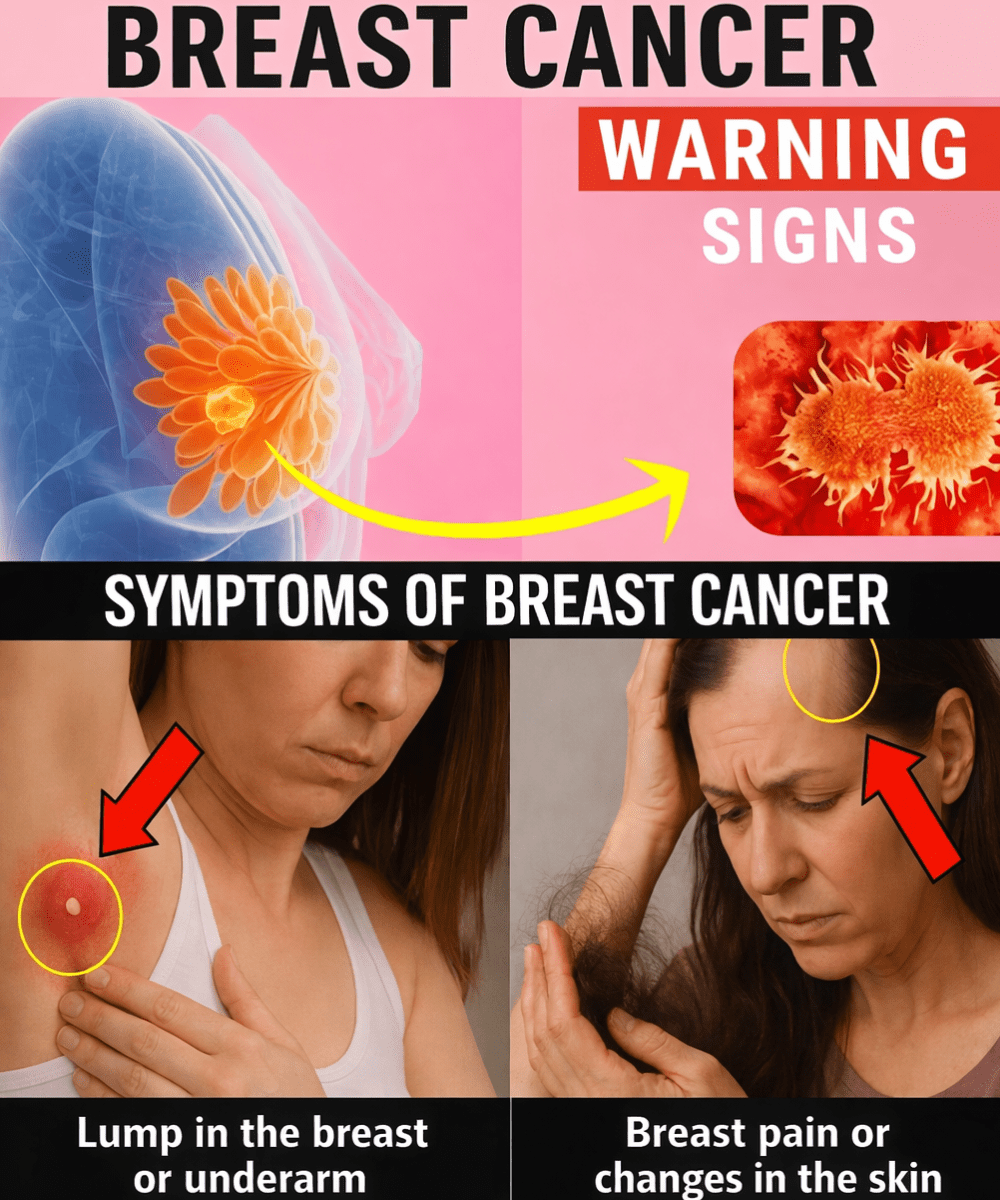
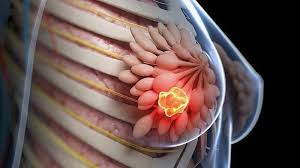
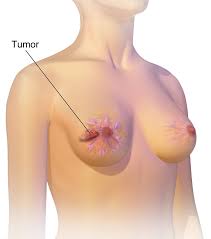
1. A New Lump or Thickened Area in the Breast or Armpit
The classic sign everyone knows about—but not all lumps feel hard or painful. Some feel soft, rounded, or even tender. The key is that it feels clearly different from the rest of your breast tissue and doesn’t go away after your period.
2. Unexplained Change in Breast Size or Shape
One breast suddenly becoming noticeably larger or lower than the other without a clear reason (pregnancy, weight change, etc.) can be an early clue. It’s subtle, but your body is amazingly symmetrical—any new asymmetry deserves attention.
3. Skin Changes: Dimpling, Puckering, or Orange-Peel Texture
Cancer cells can pull on the skin or block lymphatic vessels, creating a dimpled appearance similar to the surface of an orange (called peau d’orange). It might appear only in one small area at first.
4. Nipple Changes You’ve Never Seen Before
This includes:
- A nipple that suddenly becomes inverted (pulled inward) when it was previously everted
- Scaly, red, or swollen skin on the nipple or areola
- Unusual discharge (especially if it’s bloody or happens without squeezing)
5. Persistent Breast Pain That’s New or One-Sided
Breast pain is common and usually harmless, but pain that’s only in one breast, lasts longer than a menstrual cycle, or feels different from your usual pre-period tenderness should be checked.
6. Redness or Rash on the Breast That Doesn’t Go Away
It might look like an infection or eczema at first, but if it doesn’t respond to usual creams within a week or two, it needs medical evaluation—especially if it’s only on one breast.
7. Swollen Lymph Nodes Under the Arm or Near the Collarbone
Even if you can’t feel a lump in the breast itself, swollen nodes can be the first sign that cells have started traveling. They may feel firm or tender.
8. Visible Veins That Suddenly Appear More Prominent
Increased blood flow to a growing tumor can make veins on the surface of the breast stand out more than usual—especially if it’s only on one side.
9. Constant Fatigue or Unexplained Weight Loss
These are late-stage signs more often, but some women notice extreme tiredness that doesn’t improve with rest, even in earlier stages.
10. The Sign Most Women Miss: Changes in How the Breast Feels When You Lie Down
Here’s the surprising one almost nobody talks about: lie flat on your back with your hand behind your head and gently press around your breast. Cancerous lumps often feel different (or may only be felt) in this position because gravity changes how the tissue lies. Many women only discover lumps this way during self-exams.
How to Perform a Proper Breast Self-Exam in 5 Simple Steps
Doing this once a month (a few days after your period ends) takes less than 10 minutes:
- Stand in front of a mirror with your arms at your sides, then raise them overhead—look for any changes in shape or contour.
- Press your hands firmly on your hips to flex chest muscles and look again.
- Lie down on your bed and place a pillow under your right shoulder, right arm behind your head. Use the pads of your left fingers to feel the right breast in small circular motions, covering the entire breast and armpit.
- Repeat on the left side.
- Gently squeeze each nipple to check for discharge.
Research published in the Journal of Women’s Health shows women who perform regular self-exams find changes earlier than those who don’t.
When Should You See a Doctor Right Away?
Contact your healthcare provider immediately if you notice:
- Any of the 10 signs above that are new or persistent
- Anything that feels unusual to you—even if it doesn’t match the “classic” description
- Changes that last longer than one menstrual cycle
Remember: 8 out of 10 breast lumps turn out to be benign (not cancer). Getting checked brings peace of mind either way.
Conclusion: Knowledge Is Your Strongest Defense
You now know the 10 early warning signs most women overlook—and exactly what to do if you notice them. Early detection truly saves lives, and taking a few minutes each month for a self-exam is one of the most powerful things you can do for your health.
Your breasts change throughout life. Getting to know what’s normal for you makes it much easier to spot when something isn’t.
Frequently Asked Questions
At what age should I start doing breast self-exams?
Many experts recommend starting in your 20s. The sooner you get familiar with how your breasts normally look and feel, the easier it is to notice changes.
Do I still need mammograms if I do self-exams?
Yes. Self-exams and clinical exams help find changes between screenings, but mammograms can detect tiny lumps years before they can be felt.
Can men get breast cancer too?
Yes, though it’s much rarer. About 1 in 100 breast cancer cases occur in men, so the same warning signs apply.
Disclaimer: This article is for informational purposes only and is not a substitute for professional medical advice, diagnosis, or treatment. Always consult your healthcare provider with any concerns about your breast health. Early evaluation by a medical professional is essential if you notice any changes.