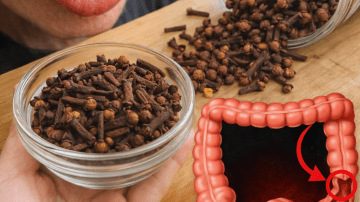
Opening your pantry only to find tiny bugs crawling through your rice or beans is one of the most frustrating moments a home cook can experience. Those little weevils don’t just ruin perfectly good food – they make you question everything else in the cupboard and waste money you worked hard for. The worst part? Most people throw away the whole bag and start over, never realizing there are proven, completely natural ways to stop this from happening again.
I’ve helped thousands of readers save their pantry staples over the years, and today I’m sharing the exact methods that work best – including one surprising spice that costs pennies and keeps weevils away for months. Stick with me until the end because the last tip is the one nobody talks about, yet it’s the most effective of all.
Why Weevils Love Your Rice and Beans (And How They Get There)
Weevils aren’t coming from a dirty kitchen. Rice weevils and bean weevils lay their eggs inside grains and legumes while they’re still in the field or during storage at warehouses. By the time you bring that bag home from the store, the eggs are already there, waiting for warm, humid conditions to hatch.
Research from entomologists at Kansas State University shows that temperatures above 77°F (25°C) dramatically speed up the hatching process – which explains why weevils suddenly appear in summer or during rainy seasons.
But here’s the good news: you can stop the cycle completely with items you probably already have at home.
Method 1: The Clove Trick (The Easiest and Most Effective)
Cloves contain eugenol, a natural compound with strong insect-repellent properties. Multiple studies, including one published in the Journal of Stored Products Research, found that whole cloves can reduce weevil infestation by up to 90% when used correctly.
How to Use Cloves Properly:
- Use whole cloves (not ground – the oils stay stronger longer)
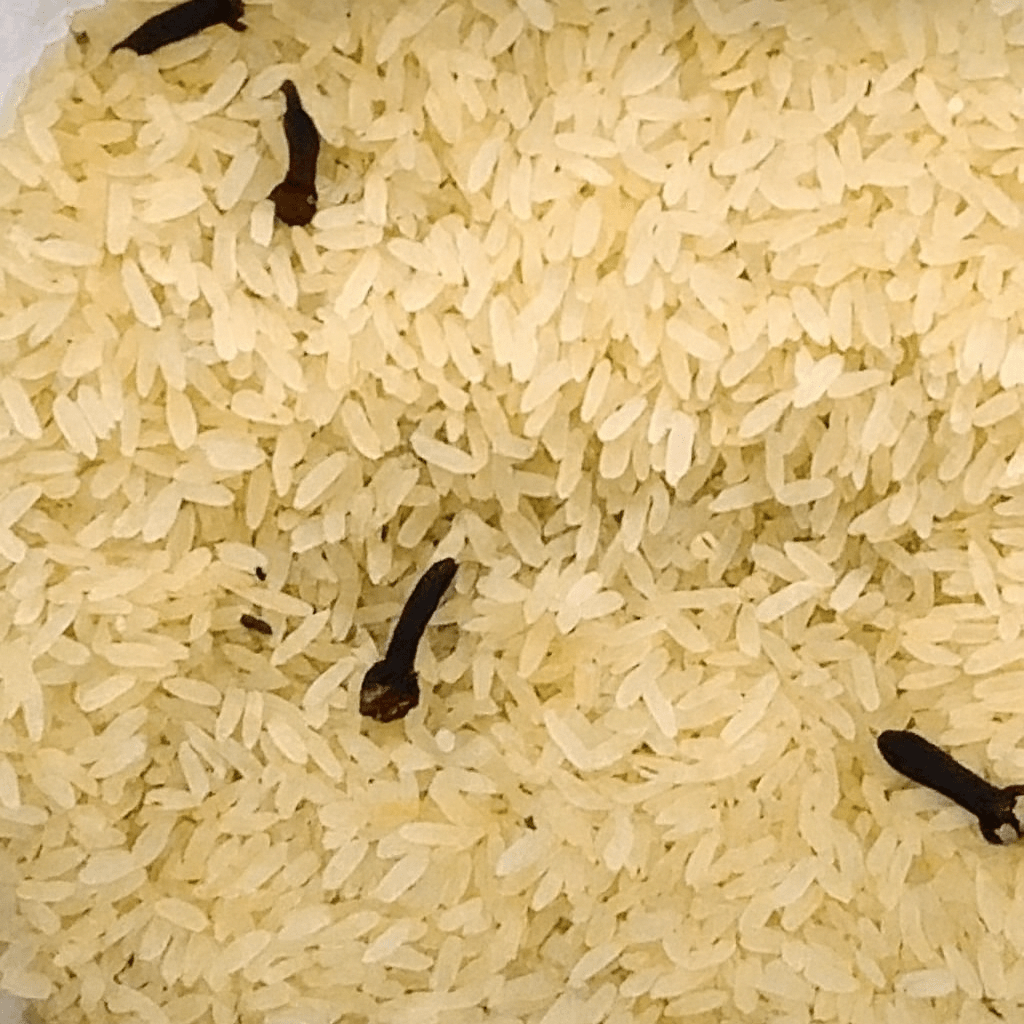
- Place 5–8 cloves per kilogram (2.2 lbs) of rice or beans
- Gently push the cloves deep into the grains so they don’t float to the top
- Replace the cloves every 4–6 months when the scent starts to fade
Pro tip: Put the cloves in a small breathable cloth bag or tea infuser first if you don’t want to pick them out later when cooking.
Method 2: Dry Red Chili or Bay Leaves (Extra Protection Layer)
Hot peppers contain capsaicin, and bay leaves contain cineole and linalool – both natural insect repellents. Traditional farming communities in Asia and Latin America have used this combination for centuries, and modern research backs it up.
Best Natural Repellents to Add:
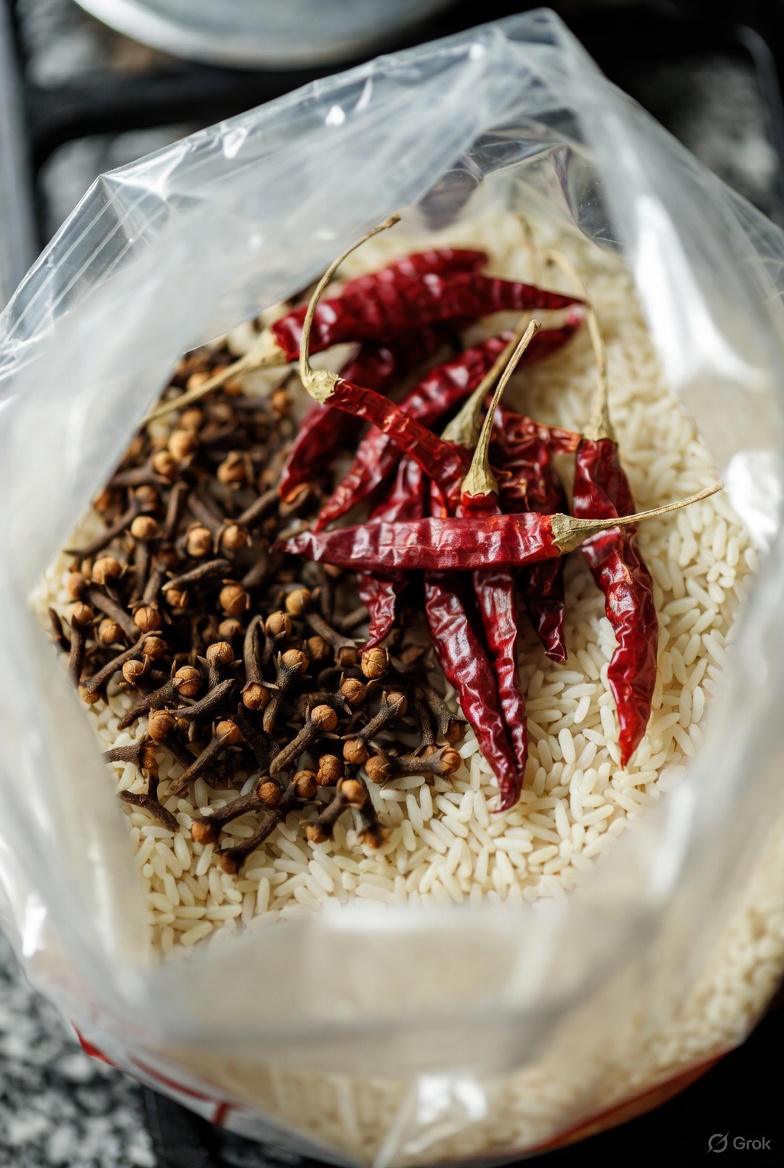
- 4–6 dried red chilies (whole, with seeds)
- 8–10 bay leaves (crushed slightly to release oils)
- 2–3 garlic cloves (unpeeled – the sulfur compounds help too)
The beauty? These ingredients won’t affect the taste of your food when you cook it later.
Method 3: Airtight Storage That Actually Works (Even Without Fancy Containers)
The single biggest mistake people make is keeping rice and beans in their original paper or thin plastic bags. Weevils can chew right through them.
Budget-Friendly Airtight Options:
- Clean, dry plastic water or soda bottles (2-liter work perfectly for beans)
- Glass jars with tight-fitting lids
- Food-grade plastic containers with silicone seals
- Zip-top freezer bags (double-bag for extra protection)
Before transferring grains, make sure containers are completely dry – even slight moisture can trigger egg hatching.
What to Do If You Already Have Weevils (Don’t Throw Everything Away!)
Finding live weevils doesn’t always mean your food is ruined. Here’s the step-by-step rescue method used by food storage experts:
- Spread the rice or beans in a thin layer on clean trays
- Place in direct sunlight for 4–6 hours (the heat kills eggs and adults)
- Sift through a fine mesh strainer to remove dead bugs
- Freeze for 72 hours (this kills any remaining eggs that survived the sun)
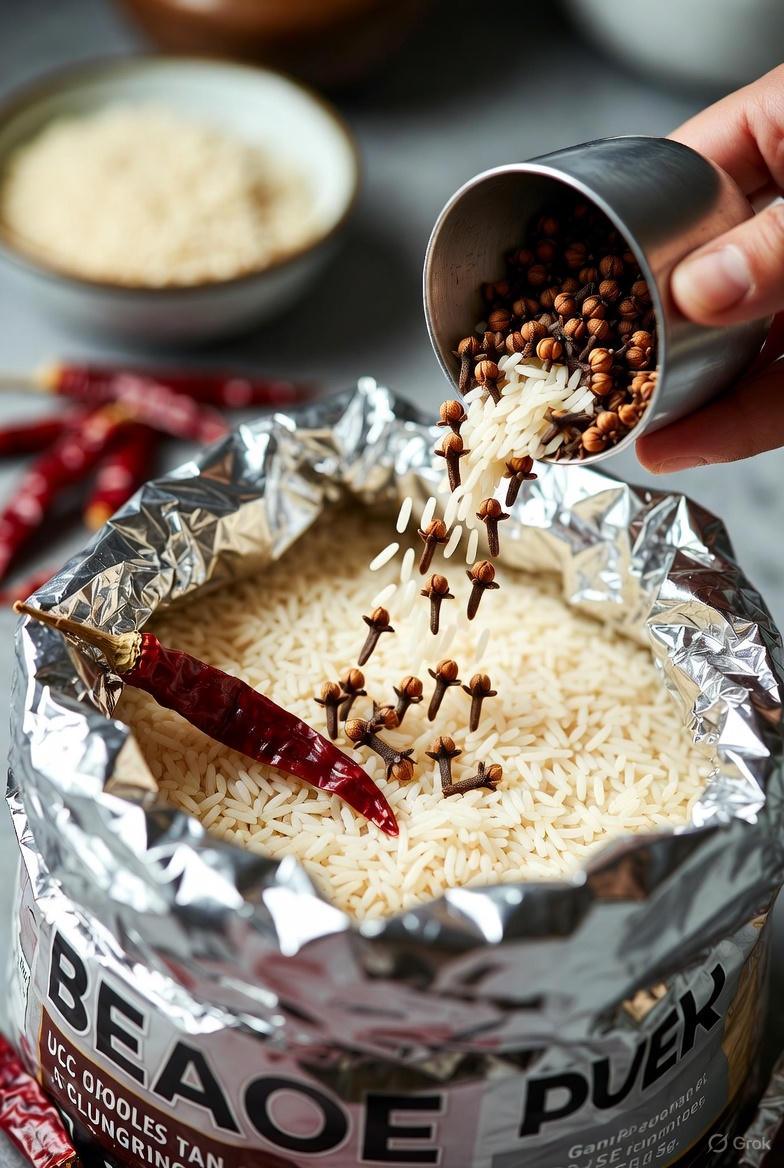
- Transfer immediately to airtight containers with cloves or bay leaves
Studies show this method eliminates 99% of weevil populations when done thoroughly.
The “Secret” Method Nobody Talks About: Oxygen Absorbers + Freezer Trick
Here’s the technique that changed everything for me: combine oxygen absorbers with an initial freezer treatment.
Food-grade oxygen absorbers (available online or at camping stores) remove the oxygen that weevil eggs need to survive. When you combine them with a 7-day freezer stay first (to kill any live adults), you create an environment where nothing can survive or hatch.
This is the method used by emergency food storage companies – and it keeps rice and beans fresh for 10+ years.
Prevention Checklist You Can Use Today
- Buy smaller quantities more frequently when possible
- Always inspect bags at the store (look for tiny holes or dust)
- Store all grains below 70°F (21°C) if possible
- Use one (or all) of the natural repellents above
- Label containers with purchase date
- Rotate stock – first in, first out
Frequently Asked Questions
Q: Are weevils harmful if accidentally eaten?
A: No, they’re not toxic to humans, but they can cause digestive discomfort and definitely affect food quality.
Q: How long do cloves last as a repellent?
A: About 4–6 months. You’ll know it’s time to replace them when you can barely smell the clove scent anymore.
Q: Can I still cook with rice that had weevils if I remove them?
A: Yes, after proper sun-drying and freezing, the grains are perfectly safe and nutritious to eat.
The truth is, preventing weevils is much easier than dealing with an infestation later. These simple, natural methods have been working for generations – and now they can work for you too.
Disclaimer: This article is for informational purposes only and shares traditional home storage practices. It is not medical advice. Always inspect food for spoilage before consuming, and when in doubt, throw it out.