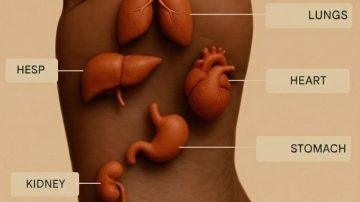
Many people experience occasional digestive issues or fatigue as part of everyday life, especially as they get older. These changes can feel minor at first, making it easy to brush them off as stress, diet, or aging. But sometimes, they might signal something more serious going on with the pancreas, a vital organ that helps with digestion and blood sugar control. Understanding these subtle shifts can encourage timely conversations with a healthcare provider.
The good news? Research shows that paying attention to certain body signals and making healthy lifestyle choices can play a role in supporting overall pancreatic health. In this guide, we’ll explore 10 common changes people notice, backed by insights from reliable sources like the American Cancer Society and Mayo Clinic. And at the end, there’s a simple habit that studies suggest could make a real difference in reducing risks.
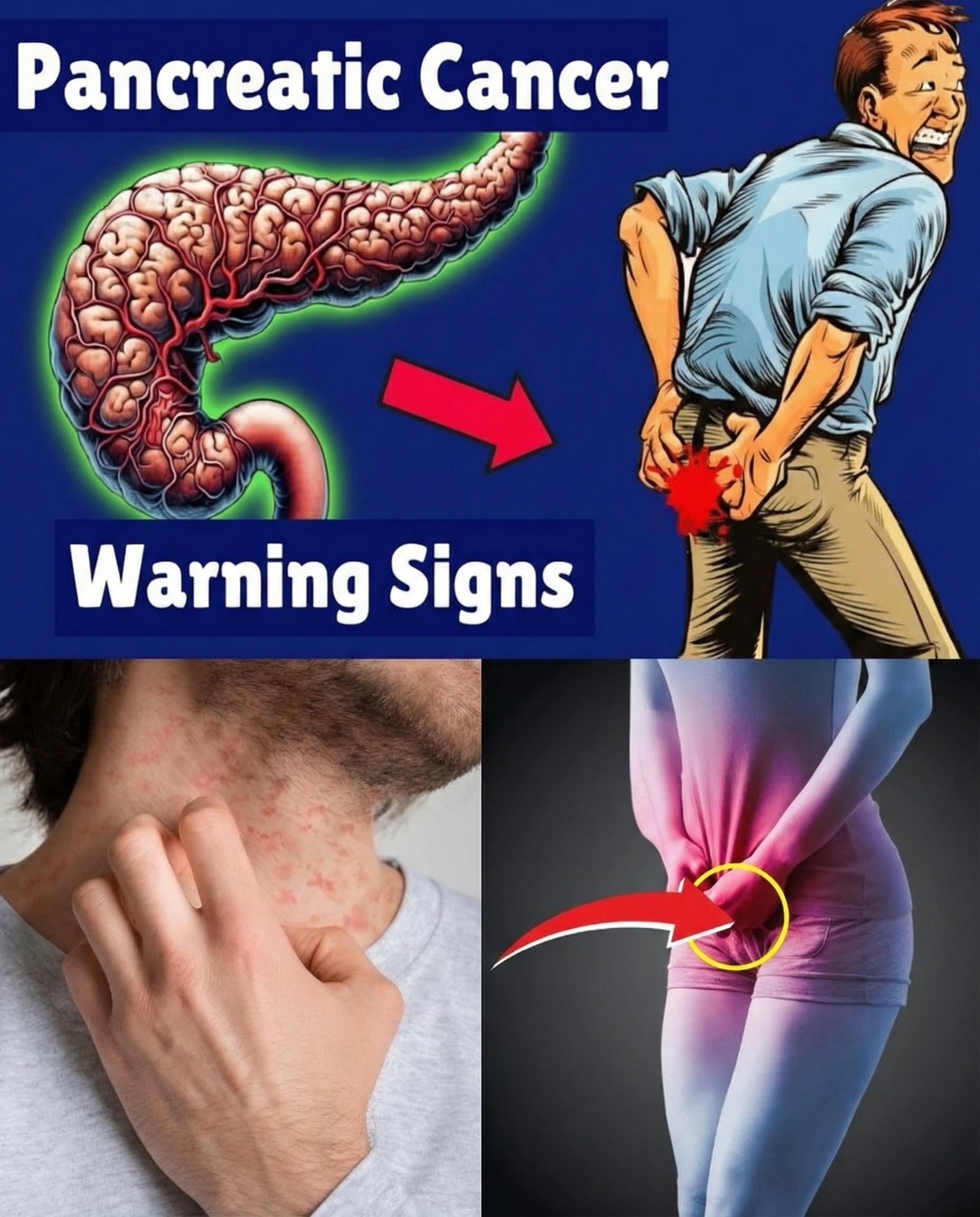
Why Pancreatic Issues Are Often Overlooked
The pancreas sits deep in the abdomen, behind the stomach, so problems there don’t always cause obvious symptoms early on. According to the American Cancer Society, pancreatic cancer is hard to detect in its initial stages because signs tend to appear gradually and mimic other common conditions.
Many factors, including family history, smoking, obesity, and long-term diabetes, can influence pancreatic health. Studies from recent years highlight how lifestyle plays a big part—modifiable habits like diet and exercise are key areas of focus in ongoing research.
But here’s the encouraging part: Awareness is growing. More people are learning to track changes and seek early evaluations, which can lead to better outcomes.
10 Common Body Changes to Pay Attention To
These signs aren’t unique to pancreatic concerns—they can stem from many causes. However, if several occur together or persist, it’s worth discussing with a doctor.
1. Darker Urine That Doesn’t Improve with Hydration
If your urine starts looking like strong tea or cola, even when you’re drinking plenty of water, it could relate to bilirubin buildup. Bilirubin is a substance normally processed by the liver and excreted. Sources like the American Cancer Society note this as a possible early clue in some cases.
2. Pale, Greasy, or Floating Stools
Changes in stool appearance, such as lighter color, oilier texture, or difficulty flushing, might indicate issues with fat digestion. The pancreas releases enzymes to help break down fats—if that’s disrupted, stools can look different. The Cleveland Clinic and similar resources describe this as steatorrhea.
Here’s something interesting: Tracking bowel habits over a few weeks can reveal patterns worth mentioning to your doctor.
3. Mild Yellowing of the Skin or Eyes
A subtle golden tint in the whites of the eyes or skin, known as jaundice, happens when bile flow is affected. It often appears gradually and can be one of the more noticeable signs, according to Mayo Clinic experts.
4. Persistent Itchy Skin Without a Clear Cause
Intense itching, especially on palms or soles, with no rash or allergy trigger? This can stem from bile acids accumulating in the skin. Research mentioned in medical reviews points to this as an underrecognized early signal for some.
5. Unexplained Weight Loss
Dropping pounds without trying, even if you’re eating normally, is something studies link to various health shifts. The Lancet and other journals note average losses in pre-diagnosis periods, often due to digestion changes.
Quick tip: Weigh yourself weekly under similar conditions to spot trends.
6. Feeling Full Quickly or Loss of Appetite
If favorite meals suddenly feel unappealing or you feel satisfied after just a few bites, it might involve pressure on the stomach or hormonal changes. Gastroenterology studies describe this as common in digestive disruptions.
7. New or Worsening Back or Abdominal Discomfort
A dull ache in the upper abdomen or mid-back that comes and goes, sometimes easing when leaning forward—this pattern is frequently mentioned in patient reports and medical literature.
8. Random Nausea, Especially on an Empty Stomach
Queasiness that hits without obvious triggers, like food poisoning, could tie into inflammation or nerve irritation. Recent reviews in Gastroenterology highlight nausea as a dominant complaint for many.
9. Sudden Onset of Diabetes or Blood Sugar Changes After Age 50
New diabetes diagnosis, especially with weight loss, is a red flag noted by organizations like the National Cancer Institute. The pancreas regulates insulin, so shifts here warrant close monitoring.
10. Unusual Fatigue or Weakness
Feeling unusually tired despite rest? This nonspecific symptom appears often, sometimes linked to the body’s response to underlying changes.
You’ve made it through the list—most people skim and miss these details. But recognizing combinations matters more than any single sign.
Common Combinations and When to Act
Certain patterns raise more concern:
- Dark urine + itchy skin
- Pale stools + unexplained weight loss
- Abdominal discomfort + new diabetes
| Symptom Combination | Why It Matters | Suggested Next Step |
|---|---|---|
| Dark urine + pale stools | Possible bile flow issue | Hydrate and note duration; see doctor if persists |
| Weight loss + appetite changes | Digestion or metabolism shift | Track intake and weight; discuss with provider |
| Jaundice signs + fatigue | Liver/pancreas involvement | Prompt medical evaluation recommended |
| New pain + blood sugar changes | Potential pancreatic impact | Blood tests and imaging may be needed |
Research emphasizes that early medical input can change trajectories—don’t wait for things to worsen.
Everyday Habits to Support Pancreatic Health
Studies show lifestyle factors influence risks significantly. Here’s a 30-day approach based on recommendations from health authorities:
- Week 1: Cut back on processed sugars; aim for 10,000 steps daily. You might notice less bloating.
- Week 2: Swap red meat for fish or plant-based options most nights. Stools may normalize.
- Week 3: Add 30g fiber daily with veggies like broccoli. Energy could stabilize.
- Week 4: Schedule a check-up; share any noted changes.
Research from sources like Nature Reviews links lower inflammation to diets rich in plants, healthy fats, and limited processed foods. Maintaining a healthy weight and avoiding smoking are among the strongest protective steps.
One standout habit? Incorporating anti-inflammatory foods. Studies suggest extra-virgin olive oil with turmeric and black pepper daily supports overall wellness—many notice better digestion.
Conclusion
Listening to your body doesn’t mean worrying over every twinge. It means noting persistent changes and partnering with your doctor for answers. Small habits today—like more movement, balanced meals, and regular check-ups—add up.
Shared stories from survivors often highlight one thing: Acting on subtle signals made all the difference.
Frequently Asked Questions
1. At what age should I start paying more attention to pancreatic health?
Risk increases after 50, especially with family history or factors like smoking/obesity. Annual check-ups become key around this time.
2. Can diet really make a difference in pancreatic risks?
Yes—research consistently shows plant-heavy diets, healthy weights, and limited alcohol/smoking support better outcomes.
3. What tests might a doctor order if I mention these changes?
Common starts include blood work, ultrasound, or CT scans to evaluate the pancreas and related organs.
Disclaimer: This information is for educational purposes only and is not a substitute for professional medical advice. Always consult a healthcare provider for personal concerns or symptoms. Early evaluation is important, but only a doctor can provide diagnosis or guidance.