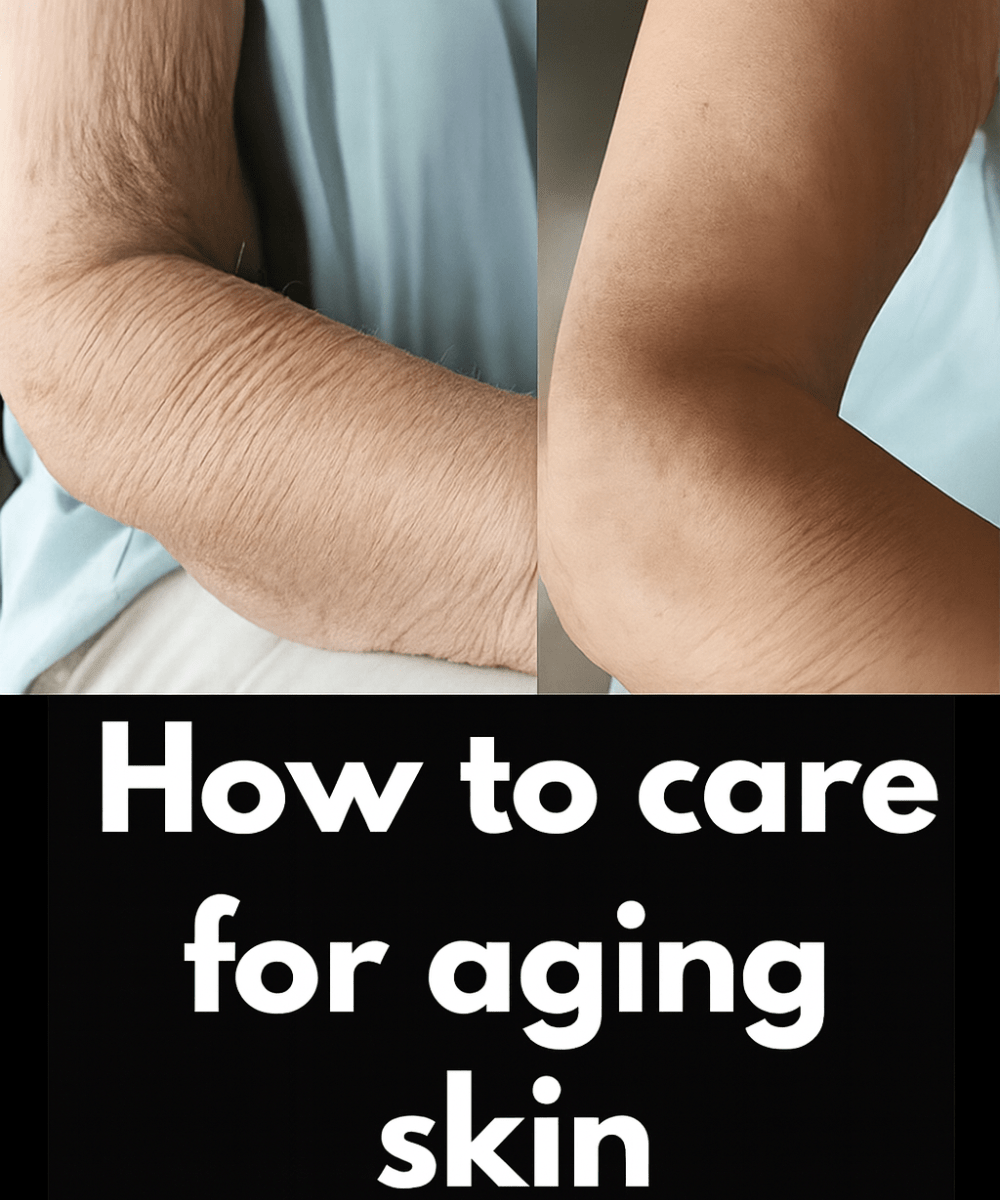
As you notice your skin feeling drier, thinner, or less resilient over time, it can feel frustrating and a bit overwhelming. Those subtle changes—like fine lines appearing or a loss of that natural radiance—remind you that aging is happening, and it often leaves you wondering if there’s anything you can do to feel more confident in your skin again. The good news is that simple, consistent habits can make a real difference in supporting your skin’s health and vitality. And here’s the encouraging part: many of these approaches are gentle, natural, and backed by what research shows works best. Stick around, because toward the end, I’ll share some practical insights that might surprise you and help you get started right away.
Building a Strong Foundation: The Essential Daily Routine
Mature skin benefits most from a gentle, consistent approach. Dermatologists often emphasize starting with the basics to protect and nourish without overwhelming your skin.
Research shows that daily sun protection is one of the most effective ways to support skin health as it ages, since UV exposure contributes significantly to visible changes.
Gentle Cleansing: Start and End Your Day Right
Harsh cleansers can strip away natural oils, leaving skin feeling tight and dry. Instead, opt for mild, fragrance-free options.
- Use lukewarm water—hot water can further dry out skin.
- Cleanse twice daily: once in the morning to refresh, and at night to remove buildup.
- Pat dry gently with a soft towel; rubbing can irritate delicate areas.
This simple step helps maintain your skin’s natural balance.
But that’s not all—pairing cleansing with proper hydration takes things to the next level.
Hydration: The Key to Plump, Supple Skin
As skin matures, it naturally holds less moisture, which can make fine lines more noticeable. Focusing on hydration helps restore softness and resilience.
Look for moisturizers with supportive ingredients like:
- Hyaluronic acid, which attracts and holds moisture
- Ceramides, known to help strengthen the skin barrier
- Natural oils such as jojoba or argan for gentle nourishment
Apply morning and night after cleansing. Studies indicate that consistent moisturizing supports skin hydration and barrier function, especially in mature skin.
Here’s a quick guide to layering for better results:
- Start with a clean, damp face (moisture helps products absorb).
- Apply a lightweight serum if using one.
- Follow with your moisturizer, using upward strokes.
- Seal everything in, especially at night.
Sun Protection: Your Daily Must-Have
Experts agree: daily sunscreen is the cornerstone of any routine for aging skin. Even indoor light can play a role in changes over time.
- Choose broad-spectrum SPF 30 or higher.
- Apply generously every morning, even on cloudy days.
- Reapply if you’re outdoors for extended periods.
Wearing hats or seeking shade adds extra support. This habit alone can help preserve your skin’s appearance long-term.
Choosing Supportive Ingredients Wisely
You don’t need dozens of products. Focusing on a few evidence-based options used consistently often yields the best results.
Dermatologists frequently recommend ingredients that support skin renewal and protection.
Proven Ingredients to Consider
- Vitamin C: An antioxidant that helps brighten and protect against environmental stressors.
- Retinol: Supports cell turnover and smoothness—start slowly to avoid irritation.
- Peptides: Help promote firmness by supporting collagen.
- Niacinamide: Calms skin and improves barrier strength.
Introduce one new ingredient at a time, and always follow with moisturizer. Research suggests these can contribute to healthier-looking skin when used regularly.
The truth is, gentle facial massage while applying products can enhance absorption and circulation—try it for a relaxing boost.
Don’t Overlook Often-Forgotten Areas
The neck, chest, hands, and eye area often show changes first because the skin there is thinner.
Caring for Delicate Zones
- Extend your moisturizer and sunscreen downward to the neck and chest.
- Use upward motions to support firmness.
- For eyes, choose lightweight, fragrance-free creams to hydrate gently.
- Lips benefit from daily balm and occasional gentle exfoliation.
These small additions help create a more uniform appearance overall.
Nutrition: Fueling Skin Health from Within
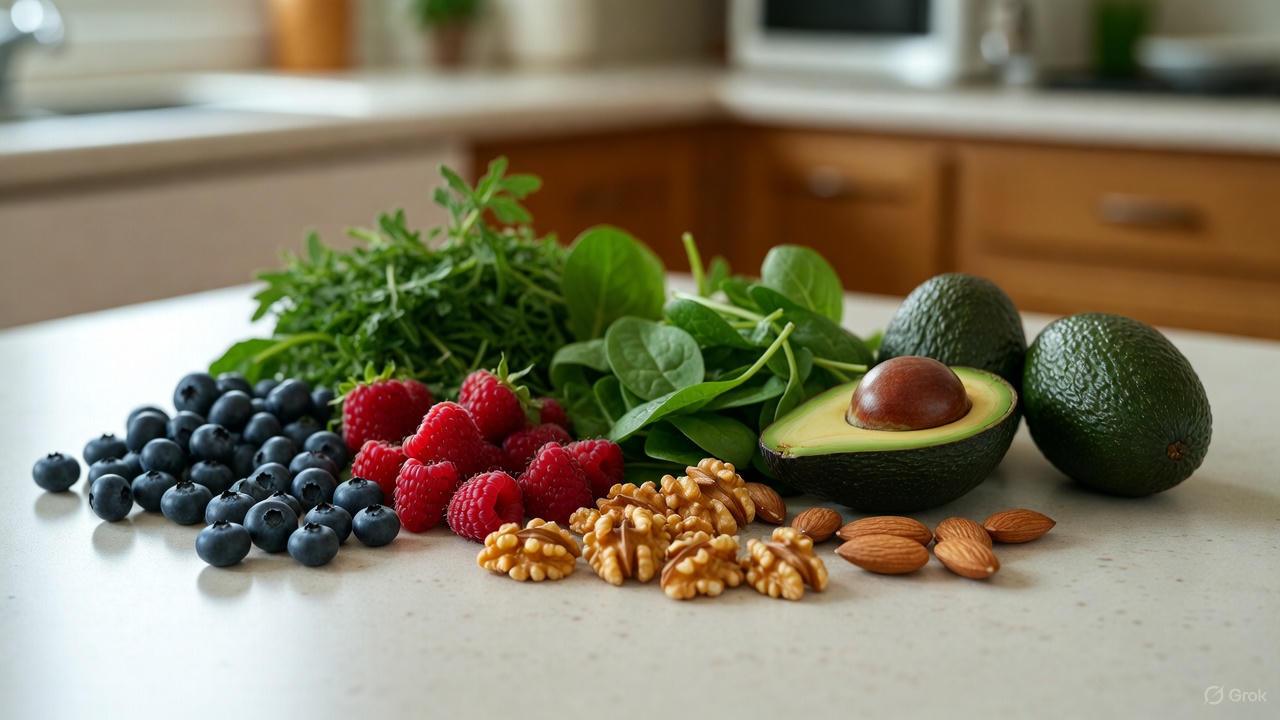
What you eat plays a supportive role alongside your topical routine. Antioxidant-rich foods help combat oxidative stress, which research links to skin aging.
Foods That Support Healthy Skin
Incorporate more of these into your meals:
- Berries (like blueberries and strawberries) for antioxidants
- Leafy greens such as spinach and kale
- Avocados and nuts for healthy fats
- Fatty fish (salmon) or seeds (chia, walnuts) for omega-3s
- Carrots and sweet potatoes for beta-carotene
- Green tea for additional protective compounds
A balanced diet with plenty of fruits, vegetables, and hydration supports overall skin vitality. Studies show that diets high in these nutrients are associated with better skin appearance.
Here’s a simple table comparing supportive food groups:
| Food Group | Examples | Key Benefits |
|---|---|---|
| Antioxidants | Berries, green tea | Help protect against environmental damage |
| Healthy Fats | Avocados, nuts, olive oil | Support moisture and barrier function |
| Omega-3 Sources | Salmon, walnuts, chia seeds | Promote calmness and suppleness |
| Vitamin-Rich Veggies | Carrots, spinach | Aid in brightness and resilience |
Adding variety keeps things enjoyable and effective.

Lifestyle Habits That Make a Difference
Beyond products and diet, everyday choices matter.
- Stay hydrated by drinking water throughout the day.
- Aim for quality sleep—skin repairs itself overnight.
- Manage stress with walks or gentle exercise.
- Avoid smoking, as it accelerates visible changes.
These habits complement your routine beautifully.
FAQ: Common Questions About Caring for Aging Skin
When should I start focusing on aging skin care?
Many people benefit from preventive habits in their 30s, but it’s never too late—consistent care at any age can support skin health.
Do I need expensive products for good results?
No. Consistency with effective, gentle basics often matters more than price. Focus on what suits your skin.
Is sunscreen necessary indoors?
Yes—windows allow some light through, and daily protection helps maintain skin’s appearance.
Final Thoughts
Caring for aging skin naturally comes down to gentle routines, supportive ingredients, daily protection, and nourishing choices from within. By building these habits, you can help your skin stay healthy, hydrated, and glowing at any stage.
Disclaimer: This article is for informational purposes only and is not a substitute for professional medical advice. Consult a dermatologist or healthcare provider for personalized recommendations.