Many of us spend hours staring at screens, leading to tired, dry eyes that feel gritty and uncomfortable by the end of the day. This constant strain can make focusing difficult, cause occasional blurriness, and leave you reaching for eye drops more often than you’d like. It’s frustrating when simple tasks like reading or driving become a chore because your eyes just don’t feel right. But what if a small addition to your meals could help support healthier tears and overall eye comfort naturally? Keep reading to discover this everyday seed and why research suggests it might make a real difference.
What Makes Flaxseeds a Smart Choice for Eye Health Support?
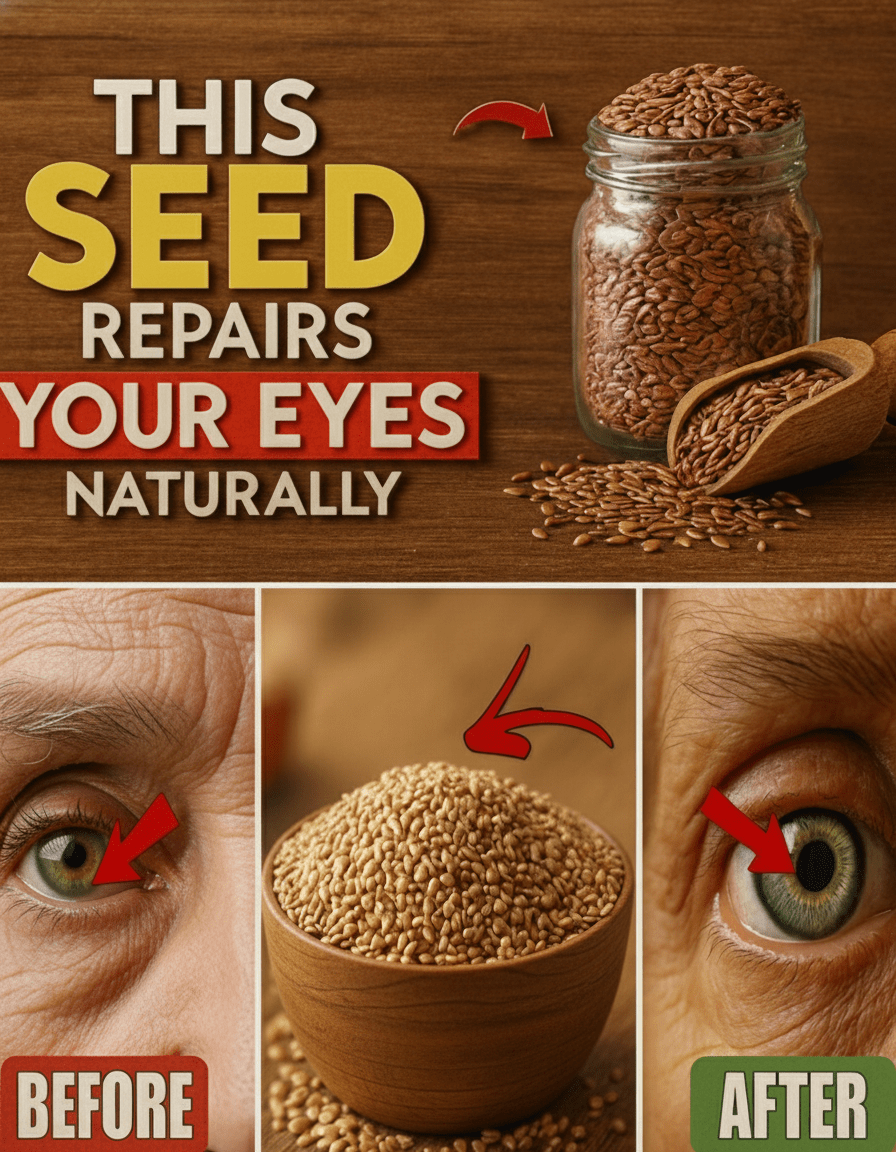
Flaxseeds are tiny powerhouses packed with nutrients that play a role in maintaining eye health. The star player here is alpha-linolenic acid (ALA), a plant-based omega-3 fatty acid.
Research shows that omega-3s, including those from flaxseeds, can help reduce inflammation on the ocular surface and support better tear production. For instance, studies on people with dry eye symptoms have found that adding flaxseed oil or seeds to the diet improved comfort and reduced irritation.
But that’s not all—flaxseeds also contain antioxidants like lignans and small amounts of lutein and zeaxanthin, compounds known for protecting retinal cells from oxidative stress.
Here’s the interesting part: while fish oils provide direct forms of omega-3s (EPA and DHA), flaxseeds offer ALA, which your body can convert to those beneficial forms. This makes them an excellent option, especially for plant-based diets.
Why Omega-3s from Flaxseeds Matter for Your Eyes
Your eyes rely on a healthy tear film to stay moist and comfortable. When that film is unstable—often due to inflammation or poor oil production—dryness sets in.
Studies indicate that omega-3 supplementation, including from flaxseeds, may help by:
- Supporting the function of meibomian glands, which produce the oily layer of tears
- Reducing ocular surface inflammation
- Contributing to retinal cell integrity over time
One review of research highlighted that omega-3s can improve signs and symptoms of dry eye disease. Another study on patients with certain conditions found oral flaxseed oil reduced inflammation and eased discomfort.
Of course, results vary, and more research is always ongoing. But many experts note that including sources like flaxseeds as part of a balanced diet can contribute to overall eye wellness.

Simple Ways to Add Flaxseeds to Your Daily Meals
The best part? Incorporating flaxseeds is easy and versatile. Start with 1-2 tablespoons of ground flaxseeds per day—whole seeds pass through undigested, so grinding them maximizes benefits.
Here are some practical ideas:
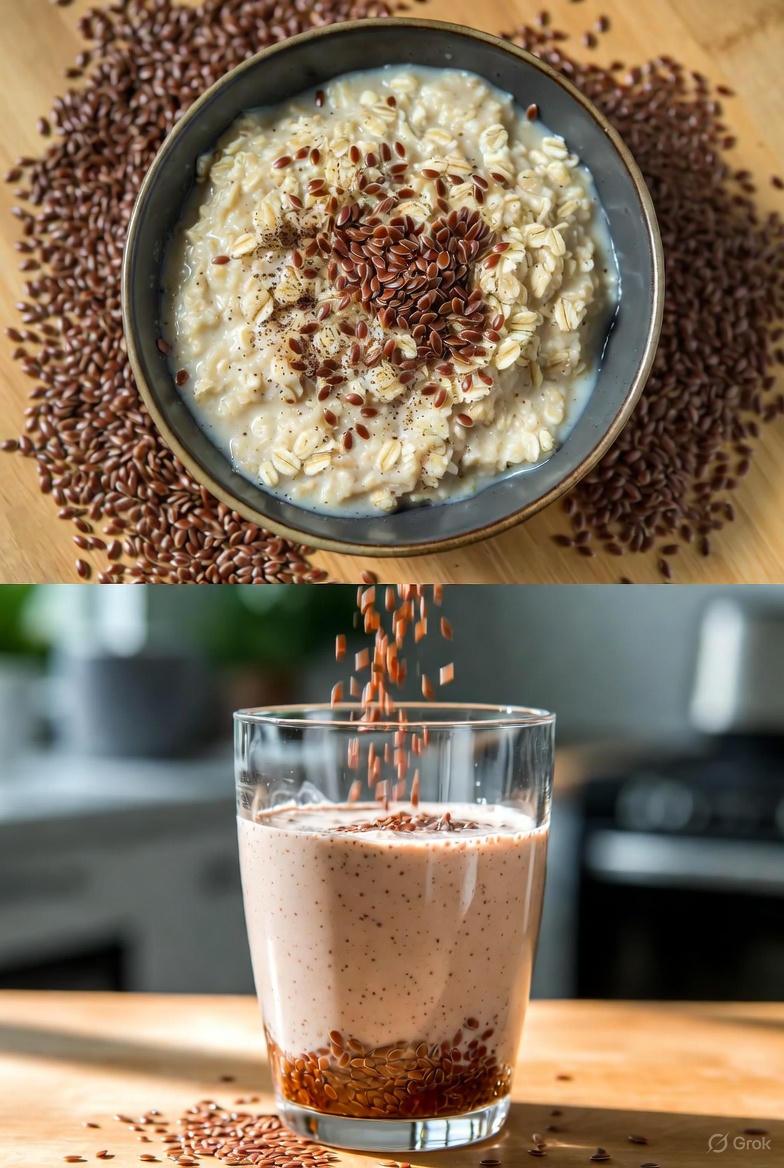
- Sprinkle on breakfast: Add ground flaxseeds to oatmeal, yogurt, or cereal for a nutty flavor and nutrient boost.
- Blend into smoothies: Toss them in with fruits, greens, and milk or plant-based alternatives.
- Mix into baked goods: Stir into muffin batter, pancakes, or bread recipes—they act as a natural binder too.
- Top salads or soups: A quick sprinkle adds texture and nutrition without changing the taste much.
- Make a simple pudding: Mix with milk, let it sit overnight, and enjoy chia-flax combo for variety.
Pro tip: Store ground flaxseeds in the fridge to keep them fresh, as they can go rancid quickly.
Quick Comparison: Ground vs. Whole Flaxseeds
| Form | Absorption | Convenience | Best For |
|---|---|---|---|
| Whole | Low (hard shell) | Easy to store long-term | Baking whole or as topping |
| Ground | High | Needs fridge storage | Daily nutrient boost |
| Oil | Concentrated | Capsules or liquid | Those who prefer supplements |
Step-by-Step Guide to Starting with Flaxseeds
Ready to give it a try? Here’s how to ease in safely:
- Consult your doctor first, especially if you take blood thinners or have health conditions.
- Buy organic flaxseeds and grind them fresh using a coffee grinder.
- Start small: 1 teaspoon daily, building to 1-2 tablespoons.
- Track how your eyes feel over a few weeks—many notice better comfort around the 1-2 month mark.
- Pair with other eye-friendly habits like the 20-20-20 rule (every 20 minutes, look 20 feet away for 20 seconds).
Consistency is key. Think of it as a long-term habit, not a quick fix.
Other Nutrients in Flaxseeds That Support Vision
Beyond omega-3s, flaxseeds provide:
- Fiber for overall health (which indirectly supports eye wellness)
- Lignans, plant compounds with antioxidant properties
- Trace minerals like magnesium, which aids in reducing eye strain
Combined with a diet rich in leafy greens, colorful veggies, and nuts, flaxseeds fit perfectly into a vision-supportive lifestyle.
This is where it gets exciting—regularly including nutrient-dense foods like these might help maintain clearer, more comfortable vision as you age.
Conclusion: A Small Seed with Potential Big Benefits
Adding flaxseeds to your routine is a straightforward way to support eye comfort, tear health, and overall vision wellness. Backed by studies showing omega-3s’ role in reducing dryness and inflammation, it’s a habit worth considering.
Pair it with balanced meals, regular eye check-ups, and screen breaks for the best results. Your eyes work hard every day—give them the natural support they deserve.
Frequently Asked Questions
1. How long does it take to notice benefits from flaxseeds for eyes?
Many people report improved eye comfort within 4-8 weeks of consistent use, though individual results vary based on diet and overall health.
2. Can I take flaxseed oil instead of seeds?
Yes, flaxseed oil capsules provide concentrated omega-3s. Start with 1-2 grams daily, but seeds offer additional fiber and antioxidants.
3. Are there any side effects?
Flaxseeds are generally safe, but high amounts may cause digestive upset. Drink plenty of water and start slow.
Disclaimer: This information is for educational purposes only and is not intended to diagnose, treat, or prevent any disease. Always consult a healthcare professional before making dietary changes or starting supplements, especially if you have existing eye conditions or take medications.
(Word count: 1,248)